
Business
Gold Dips While Oil Climbs as Global Markets Navigate War Risks and Inflation Fears

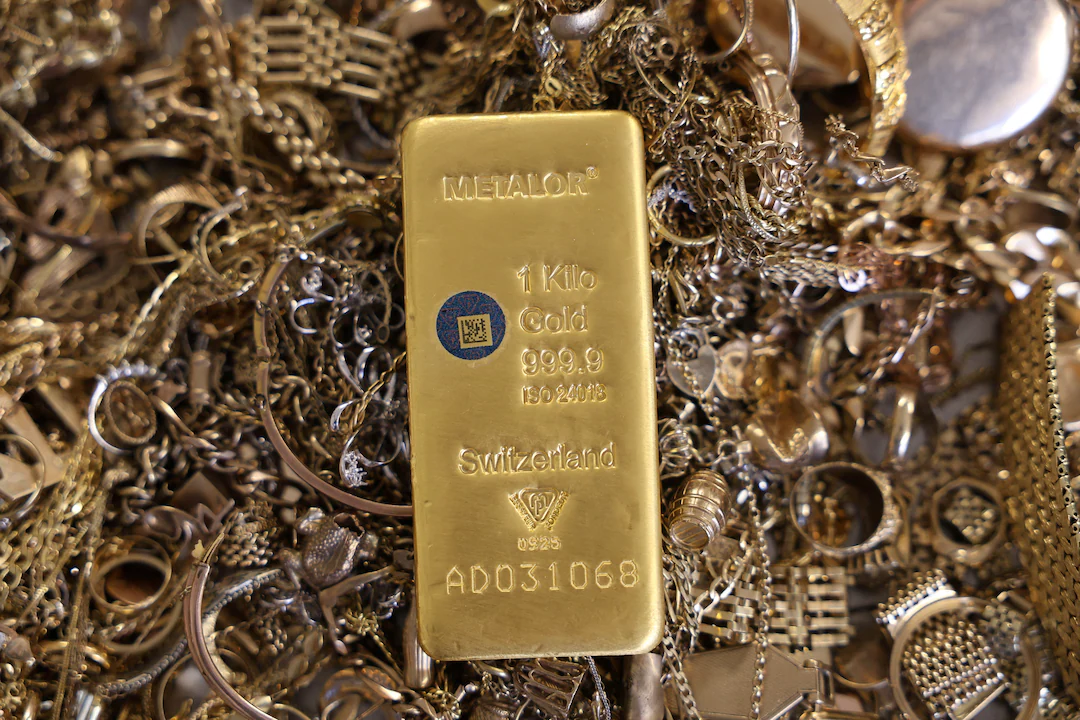
Gold prices edged lower on Monday as investors balanced growing geopolitical tensions in the Middle East against rising expectations that the U.S. Federal Reserve could keep interest rates higher for longer, reducing the appeal of the precious metal despite its traditional safe-haven status.
Spot gold slipped about 0.3% to around $4,004 per ounce, while U.S. gold futures for August delivery eased roughly 0.2% to just above $4,008 per ounce. The decline came after gold had attracted strong safe-haven demand in recent weeks amid escalating military conflict involving the United States and Iran.

Ordinarily, periods of geopolitical instability boost demand for gold as investors seek assets perceived to retain value during times of uncertainty. However, analysts said the latest surge in oil prices is stoking fears of renewed inflation, increasing the likelihood that the Federal Reserve will maintain restrictive monetary policy or even raise interest rates further before the end of the year.

Higher interest rates typically pressure gold because the metal pays no interest or dividends, making yield-bearing investments such as U.S. Treasury securities comparatively more attractive. Expectations for another Fed rate increase have strengthened after recent comments from Cleveland Federal Reserve President Beth Hammack, who indicated that persistent inflation could require additional policy tightening. Market pricing now reflects a significantly higher probability of a rate hike before year-end than it did only a week ago.

The inflation outlook has been complicated by a sharp rise in crude oil prices. Brent crude climbed above $90 a barrel, reaching its highest level in weeks after renewed U.S. military strikes on Iran and concerns over disruptions to shipping through the strategic Strait of Hormuz, a vital artery for global oil exports. Analysts warn that any prolonged interruption to supplies could further accelerate inflation worldwide.
Despite Monday’s decline, market strategists believe gold continues to enjoy strong long-term support from central bank purchases, persistent geopolitical uncertainty and investor demand for inflation protection. Many analysts view the $4,000-per-ounce level as an important technical support zone, although a sustained break below that threshold could trigger additional selling pressure.

Other precious metals posted mixed performances. Silver gained more than 1%, benefiting from industrial demand and investor interest, while platinum and palladium both recorded modest declines as traders focused on the broader macroeconomic outlook.
Financial markets remain on edge ahead of the U.S. Federal Reserve’s July policy meeting, where investors will closely monitor policymakers’ guidance on inflation, interest rates and the economic impact of escalating tensions in the Middle East. The outcome is expected to influence not only gold prices but also currencies, equities and global bond markets in the weeks ahead.