
Arts and Style
Iheonunekwu’s OSU Wins Best Indigenous Film, Takes Igbo History To Global Audience

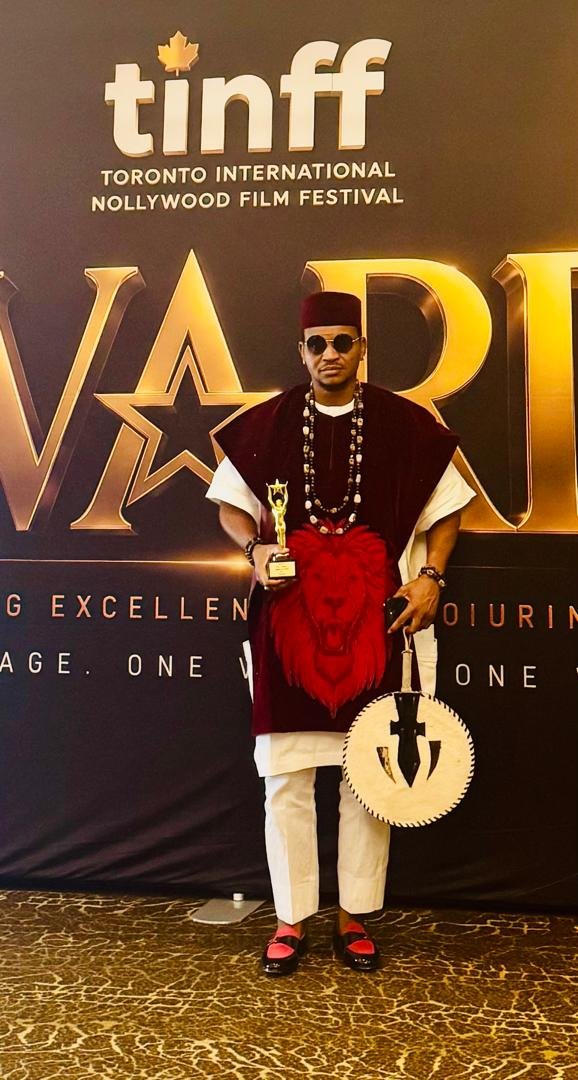
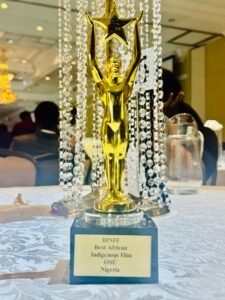
Nigerian filmmaker Dr Donald Oluchukwu Iheonunekwu has won the Best Indigenous Film award at the Brampton International Nollywood Film Festival (BINFF) for OSU, a film that confronts the controversial Osu caste system and highlights the importance of preserving indigenous culture through cinema.


The recognition is the latest in a filmmaking journey that began in 2015, when concerns over the declining use of the Igbo language prompted Iheonunekwu to take up filmmaking as a tool for cultural preservation.
He said the warning that Igbo could face serious challenges to its survival convinced him that more needed to be done to keep the language and its stories alive.
Rather than simply speak about the decline, Iheonunekwu began producing films and documentaries centred on Igbo history, identity and culture. His documentary Journey to Igbo Civilization won Best Documentary at the Abuja International Film Festival in 2022 and later received the same honour at VILLAFEST in 2023.

Reacting to the BINFF award, Iheonunekwu dedicated the recognition to the Igbo language, stressing the need for greater efforts to preserve Nigeria’s indigenous cultures.
“This award is dedicated to the Igbo language. We have to do more for our culture.”
His filmmaking has also extended beyond Igbo cultural issues to broader questions of African identity and perception. His film A Trip to Kigali, inspired by his experience during a visit to Rwanda, examines stereotypes, identity and how Africans perceive one another across cultural and national boundaries.
Shot in Lagos and Kigali, the film saw Iheonunekwu serve as actor, co-director and producer. It won Best Narrative Feature at the 2026 TAFF International Film Festival in Dallas, while the production also secured a Best Actress award.
According to Iheonunekwu, the experience reinforced his belief that filmmaking can be used to influence social conversations and challenge established perceptions.
“A film can do more than entertain; it can challenge stereotypes, preserve culture and reshape global perceptions.”
In OSU, the filmmaker turns his attention to one of the most sensitive chapters in Igbo social history. The film explores the experiences of people classified as Osu and their descendants, who historically faced discrimination and social exclusion because of an inherited status associated with traditional religious practices.
Iheonunekwu said he deliberately chose to examine the issue because cultural storytelling should not focus only on positive or celebratory narratives but should also confront difficult aspects of history.
He explained that OSU is an excerpt from a larger project he intends to complete, adding that his objective was to give greater visibility to people whose experiences have often remained marginal in mainstream storytelling.
“I wanted to turn the lens toward the plight of this group of people and tell a story that deserves to be seen.”
The Best Indigenous Film award has consequently added another dimension to Iheonunekwu’s growing body of work, which uses cinema to document history, promote indigenous languages, challenge stereotypes and stimulate conversations about social justice.
For the filmmaker, however, the international recognition is not an endpoint but an encouragement to continue documenting Africa’s diverse stories.
“The award is not the destination. It is another reason to keep telling the stories.”
Dr Donald Oluchukwu Iheonunekwu is a Nigerian filmmaker, actor, producer and director whose work focuses on African history, culture, identity and social issues. His films have received recognition at the Abuja International Film Festival, VILLAFEST, TAFF International Film Festival and the Brampton International Nollywood Film Festival.