
Analysis
Impending Global Extreme Weather Conditions: How Prepared Is Nigeria

By AVM Rtd Akugbe Iyamu MNSA fsi
Extreme weather conditions are unexpected, unusual or severe weather events that fall outside normal patterns, often causing significant disruption, damage to infrastructure, and environmental destruction.


Examples include heatwaves, intense hurricanes, flooding, severe droughts, and tornadoes. These events are becoming more frequent due to climate change.
Nigeria is a country perpetually under elections frenzy: campaigning, off cycle and other electoral activities. These political manifestations always offered little attention to key areas of the environment that threatens economic growth and development, security and poverty, inequality and hunger. As of early 2026, Nigeria hosts over 3.7 million internally displaced persons (IDPs) driven from their homes by conflict, insecurity, and climate disasters. The vast majority of this displacement is concentrated in the North-East and North-West regions, with around 3,900 camps and host communities providing temporary shelter. Currently, Africa is experiencing intensified extreme weather events driven by climate change, primarily manifested as severe droughts, devastating floods, and extreme heatwaves. These events, such as the 2020-2023 Horn of Africa drought and 2024 regional flooding, are becoming more frequent, severely impacting food security, agriculture, and infrastructure.
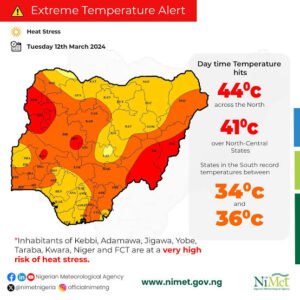
For instance the death situation in Kenya has risen to 66 and Ethiopia 125 deaths with 11,000 displaced. This is a clear and present danger to Africa and is likely to stretch the existing response measures. At this point NIHSA, NiMet and other agencies need to be called out to show visible signs to the 2026 Seasonal Climate Prediction. At this point, the country need more emphasis in advising all stakeholders to shift from reactive to proactive climate-informed planning to ensure food security and protect infrastructure. Nigeria need to step up preparation against what we see coming as extreme weather in 2026. From the situations in Ethiopia and Kenya, it is obvious that 2026 will be characterized by variable rainfall and cyclone bomb. We have seen prolonged dry spells, and higher-than-average temperatures early in the year that have threatened the health and security of Nigerians. Based on the 2026 Seasonal Climate Prediction (SCP) unveiled by the Nigerian Meteorological Agency (NiMet) on February 10, 2026, the country need to do more. Judging from the heavy snow in the northern hemisphere, nigeria need key preparations that include using AI for better forecasting, tailored agricultural advice, and flood warning systems.
2026 should not be treated like other years. With insecurity, poverty, inequality, high taxation, higher borrowings and higher energy costs, negligence will unravel the economy and underbelly of Nigeria energy security system. Time to act is now because there are too many negatives conflating the country and we have to solve the issues of environmental challenges because when you lack the structure, you attract rupture.
The Federal Government, through the National Orientation Agency (NOA) should be promoting the dissemination of the SCP to local farmers to ensure it directly informs field decisions.
AVM RTD AKUGBE IYAMU MNSA fsi
CONSULTANT ON CLIMATE CHANGE AND ANALYST ON ENVIRONMENTAL POLICIES
PRESIDENT ASSOCIATION OF ENVIRONMENTAL PROTECTION AND CLIMATE CHANGE PRACTITIONERS