
International
Iran Conflict May Have Triggered Trump Dinner Shooting — U.S. Intelligence

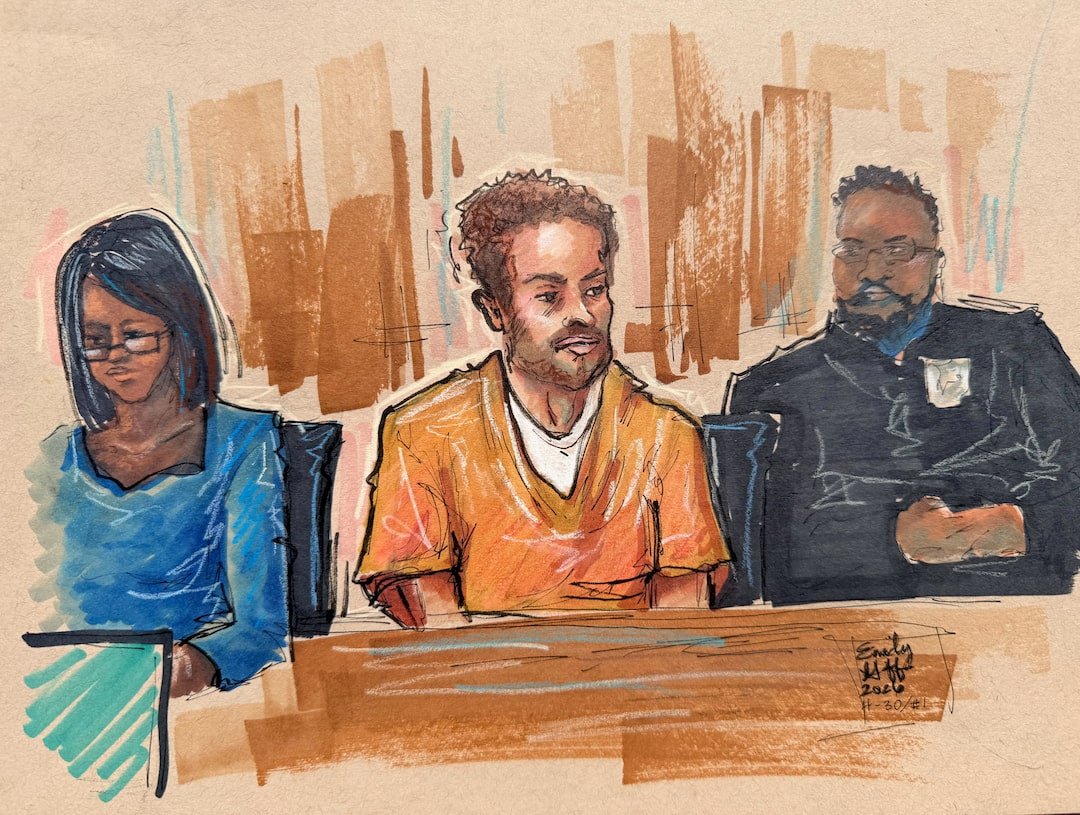
A preliminary U.S. intelligence assessment has revealed that the ongoing conflict involving Iran may have influenced the suspect accused of attempting to assassinate former U.S. President Donald Trump during a high-profile dinner event in April.
According to a report by the U.S. Department of Homeland Security (DHS), the suspect; identified as 31-year-old Cole Allen, had “multiple social and political grievances,” with investigators pointing to his online activity as a key indicator of motive.
The intelligence document, described as a “Critical Incident Note,” concluded that the Iran-related conflict “may have contributed” to Allen’s decision to carry out the attack. Authorities say his social media posts included criticism of U.S. actions in the conflict, alongside broader political dissatisfaction.
The incident occurred on April 25 during the White House Correspondents’ Dinner in Washington, where Allen allegedly attempted to breach security while armed. Prosecutors say he fired at a U.S. Secret Service agent at a checkpoint but was stopped before reaching the main event hall. The agent survived after being protected by a bulletproof vest.
Allen now faces multiple federal charges, including attempted assassination, assault on a federal officer, illegal transportation of firearms, and discharging a weapon during a violent crime.
U.S. authorities have so far stopped short of naming a definitive motive. However, the DHS report provides the clearest indication yet that geopolitical tensions; particularly the Iran conflict may have played a role in radicalizing the suspect.
Meanwhile, the FBI continues to analyze Allen’s digital footprint, including posts expressing anti-government sentiments and opposition to U.S. foreign policy, as part of ongoing efforts to fully determine his motivations and prevent misinformation surrounding the case.