
Foreign
Lake Mead Plunges to Unprecedented Depths as Colorado River Crisis Worsens

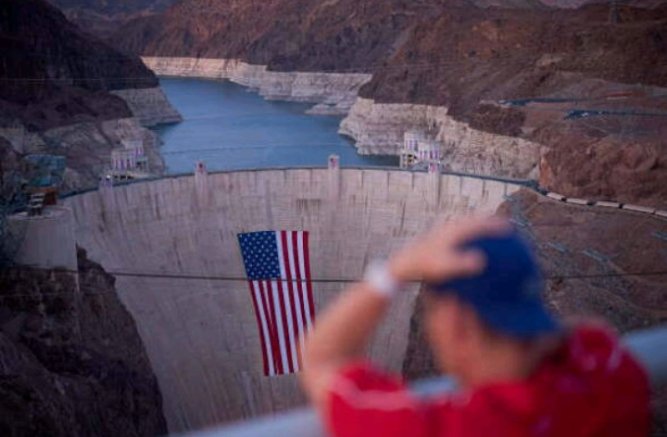
Lake Mead, the largest reservoir in the United States, has fallen to its lowest water level since it was first filled nearly 90 years ago.
The pool elevation dropped to 1,040.5 feet on August 6, 2026, according to data from the U.S. Bureau of Reclamation, breaching the previous record low of 1,040.58 feet set in July 2022. The reservoir is now only at about 27 percent of its total capacity.
This historic low follows a winter that produced the worst snowpack on record in the Colorado River Basin, which feeds the river system.
The crisis has been building for over two decades due to regional warming and declining mountain snows that have shrunk the river’s flow.
Researchers warn the situation will likely worsen, with a team from the Center for Colorado River Studies noting that “every day going forward, until runoff from the 2026-2027 winter snowpack begins next spring, a new record low will likely be set.”
The combined storage of Lake Mead and Lake Powell, the nation’s second-largest reservoir, is also at an all-time low not seen in nearly seven decades.
Experts have cautioned that continued drawdown could eventually leave both reservoirs unable to deliver water, generate hydropower, or sustain critical infrastructure.
In response to the deepening crisis, federal officials announced a new framework on July 31 to manage Colorado River water shortages for the next decade.
The plan allows for water cuts of up to 3 million acre-feet annually for the Lower Basin states of Arizona, California, and Nevada during severe drought.
Interior Secretary Doug Burgum stated, “The Department has a responsibility to ensure the Colorado River system remains reliable and resilient,” adding that the framework “provides the flexibility to respond to changing hydrologic conditions.”
The new rules come after the seven basin states failed to reach a long-term agreement on water sharing.
Arizona is expected to bear the heaviest burden under potential cuts, with state officials warning that the Central Arizona Project canal could run dry, which would be devastating for cities like Phoenix.
Officials have called such levels of reduction “unacceptable” and said they would devastate the state’s economy.
Lake Mead is expected to continue declining through the rest of the year as water users draw from it and federal officials hold back water upstream to protect Glen Canyon Dam.
The Bureau of Reclamation projects the water level could drop nearly 5 feet more before the end of 2026.