Foreign
U.S. Sanctions ICC, Rubio Vows To Dismantle Court “Brick By Brick”

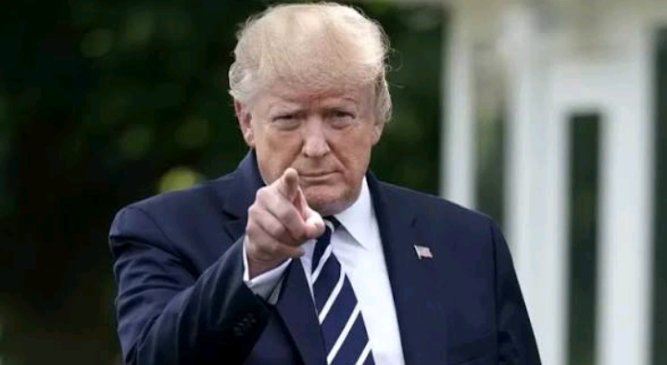
The Trump administration imposed sanctions on the International Criminal Court on October 9, 2026, targeting the institution itself rather than just individual officials, and threatening to cripple its operations.
Secretary of State Marco Rubio announced the measures, declaring that President Trump would never allow the court to prosecute Americans.
“We will ban transactions with this rogue court, cutting off their resources and crippling its ability to operate,” Rubio said in a statement.

Rubio warned that Washington would continue its campaign to “dismantle the ICC, brick by brick, until Americans are threatened no longer”.
He called on U.S. allies to “rein in the court” and said the sanctions were structured to give member states an opportunity to negotiate and address American concerns.
The sanctions block all transactions by U.S. individuals and entities involving the ICC and freeze any court property under U.S. jurisdiction.
The Treasury issued four general licenses allowing limited transactions for telecommunications, software, pension payments, and detainee-related matters, with a 180-day wind-down period until April 2027.
ICC Deputy Prosecutor Nazhat Shameem Khan condemned the move. “The sanctions are intended to undermine the rule of law internationally and the work that an independent judicial institution is doing,” Khan told Reuters. “Our work will continue across all our situations, our investigations and our prosecutions”.
The court said in a statement that the sanctions were “an assault on the rule of law and on the very foundations of the international legal order which strikes at the simple principle that no one stands above the law”.
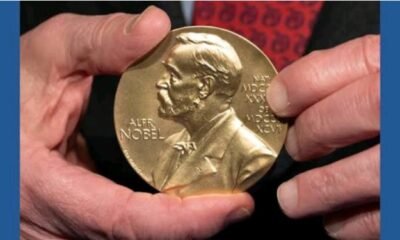
The sanctions came hours after South African jurist Navi Pillay, a former ICC Appeals Chamber judge, was awarded the 2026 Nobel Peace Prize.
The Nobel committee said it sought to “issue a reminder” at a time when “judges and institutions of international law are under political attack”.
Pillay later told AFP that Trump should “call in his legal advisers to explain to you what international law is,” calling the sanctions “unlawful” and suggesting their timing was a “reaction to the fact that the award was not given to President Trump”.
Washington’s grievances center on ICC arrest warrants for Israeli officials including Prime Minister Benjamin Netanyahu over alleged war crimes in Gaza, and a past investigation into U.S. soldiers in Afghanistan that the court describes as “deprioritized”.
The ICC has 125 member states, including all European Union countries and all NATO members except the United States and Turkey.
Court officials had been preparing for months by shifting office computers from Microsoft software to open-source alternatives and arranging alternative banking and health insurance.
The European Commission said it believed there was still room for dialogue, noting the sanctions would not take effect for six months.
The court’s registrar had earlier called on the EU to prepare a “blocking mechanism” to shield European countries from the extraterritorial effects of U.S. sanctions.