Foreign
Red Bull Sues Indian Regulator Over ‘Energy Drink’ Label Ban, Citing Investment Uncertainty

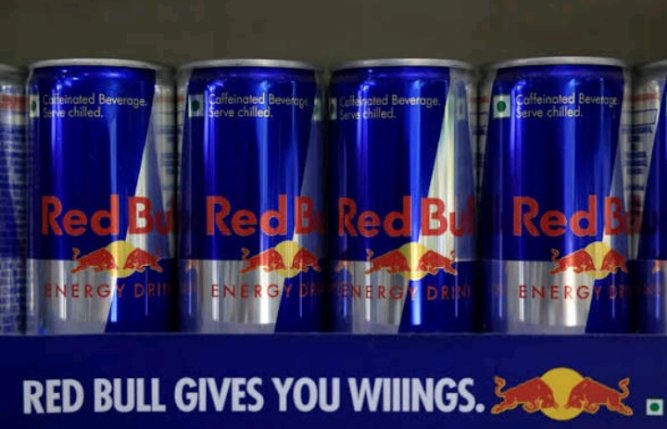
Austrian beverage maker Red Bull has sued India’s food safety regulator, challenging a ban on the “energy drink” descriptor that the company says threatens its existing and planned investments in the country’s fast-growing market.
Red Bull filed its legal challenge in the Delhi High Court on September 25, according to court filings reviewed by Reuters.
The company is contesting a June 30 order from the Food Safety and Standards Authority of India (FSSAI) directing it to discontinue the use of “Energy Drink” on its caffeinated beverages.
The petition argues that the order was passed without issuing a show-cause notice or granting an opportunity of hearing, violating principles of natural justice.
Red Bull has also challenged a subsequent July 17 communication asking food safety officers across states to take action against allegedly non-compliant products, which led to product seizures at multiple locations.
Red Bull’s India unit stated that the “abrupt prohibition” of the descriptor, without any change to the underlying product standard, “introduces substantial regulatory uncertainty and adversely affects” its existing and planned commercial investments.
The case came before Justice Amit Mahajan on Monday, who questioned whether FSSAI had followed proper procedure. “If there is no notice… it has to go,” the Court remarked during the hearing.
The judge also questioned whether any urgency justified action without first hearing the company, observing: “Nothing emergent in it”.
The Court has asked FSSAI to take instructions specifically on whether any notice was issued to Red Bull before the order was passed. No interim protection was granted to Red Bull during Monday’s proceedings.
Red Bull has argued that the regulatory action represents a reversal of FSSAI’s own prior position. The company relied on a March 2024 advisory which, according to the petition, clarified that the expression “Energy Drink” was permissible for products licensed under relevant food categories applicable to caffeinated beverages.
It also pointed to an April 2024 Health Ministry press release and licences, import clearances and no-objection certificates granted over the years for Red Bull products bearing the same descriptor.
The company contended that the latest directions amount to an unexplained departure from that position, particularly since no change in law, regulation or scientific circumstances has been disclosed.
The dispute is part of a wider FSSAI crackdown on caffeinated beverages. A July 1 order directed Red Bull, Sting, Adrenaline Rush, Campa Gold Boost, Hell Energy and Monster to remove the word “energy” from labels, marketing and advertisements within 90 days.
The regulator said it does not recognise “energy drink” as a category and cited the absence of defined category standards, along with concerns that claims such as “vitalises body and mind” could mislead consumers.
FSSAI has suggested that such products could instead be labelled as “caffeinated beverages.” Industry representatives have opposed this nomenclature, arguing the term is too broad and could cover products ranging from soft drinks to coffee, potentially confusing consumers.
The standoff has drawn in major beverage companies. Pepsi, Red Bull, Monster Beverage and billionaire Mukesh Ambani’s Reliance have all feared that removing the category label could damage brands built around instant-energy claims and disrupt sales.
The Indian Beverage Association, which counts Red Bull, PepsiCo and Reliance among its members, has sought a “consultative and risk-based approach before enforcement,” saying companies should be given an opportunity to present their technical and legal positions before action is taken.
The market at stake is significant. India’s energy drink segment is projected to be worth $1.6 billion by 2028.
The matter has been listed for further hearing on September 29.