
International
Mark Rutte Praises US-Israel Action Against Iran, Says NATO Won’t Join Fight


The Secretary General of North Atlantic Treaty Organization, Mark Rutte, has praised the ongoing military actions by the United States and Israel against Iran, describing the operations as crucial in weakening Tehran’s military ambitions.
Speaking to Germany’s public broadcaster ARD on Monday, Rutte said the joint strikes were significantly degrading Iran’s capacity to advance its nuclear and ballistic missile capabilities.
“It’s really important what the U.S. is doing here, together with Israel, because it is taking out and degrading the capacity of Iran to get its hands on nuclear capability and ballistic missile capability,” Rutte said in Brussels.
However, the NATO chief was clear that the alliance itself would not become directly involved in the conflict.
“There are absolutely no plans whatever for NATO to get dragged into this or be part of it,” he stated, noting that while individual member states may support U.S. efforts in various ways, the alliance as a whole would not formally participate.
Rutte’s comments come amid escalating tensions in the Middle East, with Washington and Tel Aviv intensifying strikes they say are aimed at preventing Iran from advancing its weapons programs. Tehran has repeatedly denied seeking nuclear weapons, maintaining that its nuclear activities are for civilian purposes.
The situation has raised concerns of a broader regional confrontation, as global powers closely monitor developments.
NATO’s position signals an effort to contain the conflict and avoid direct military entanglement while backing the strategic objectives of key member states.
International
Starmer Defends UK Position on Iran Strikes, Says Decision Guided by Law and National Interest
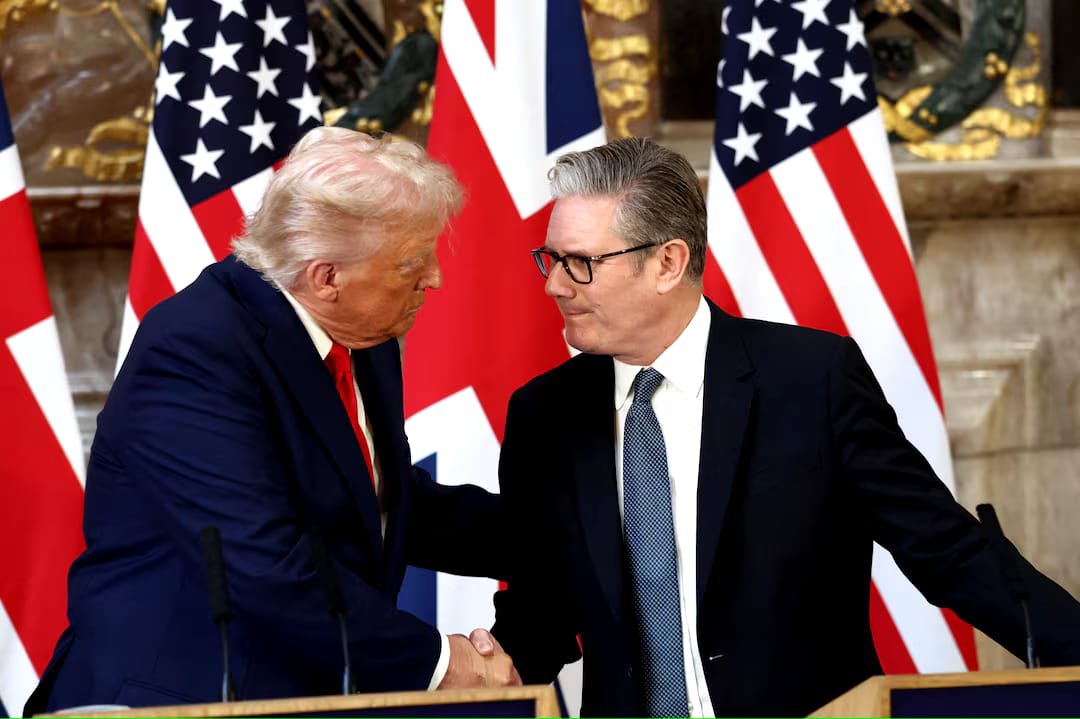
British Prime Minister Keir Starmer on Monday defended his government’s stance on the escalating Middle East conflict, insisting that his decisions were driven by legal obligations and Britain’s national interest, not political pressure.
Addressing Parliament, Starmer confirmed that the United Kingdom did not participate in the initial “offensive strikes” launched against Iran by the United States and Israel over the weekend.
However, he acknowledged approving the limited use of British military bases by the U.S. forces after what he described as “reckless” Iranian drone and missile attacks that endangered British nationals in the region.
“We were not involved in the initial strikes against Iran, and we will not join offensive action now,” Starmer told lawmakers in a packed and silent House of Commons. “But in the face of Iran’s barrage of missiles and drones, we will protect our people in the region.”
His remarks come after criticism from the U.S. President Donald Trump, who reportedly disagreed with Britain’s decision not to take part in the first wave of strikes. In an interview with the Daily Telegraph, Trump suggested the UK had delayed allowing the use of its bases and claimed Starmer appeared “worried about the legality” of the operation.
Starmer pushed back firmly, stating: “President Trump has expressed his disagreement with our decision not to get involved in the initial strikes, but it is my duty to judge what is in Britain’s national interest. That is what I’ve done, and I stand by it.”
The Prime Minister is facing political pressure at home from both sides of the aisle. Some voices on the left have urged him to condemn the U.S. and Israeli military action, while on the right, Nigel Farage, leader of Reform UK, criticised the government for failing to offer full backing to Washington.
Starmer also warned against repeating what he called the “mistakes of Iraq,” a clear reference to Britain’s controversial involvement in the 2003 invasion, signalling a cautious approach to deeper military engagement in the region.
The UK government has maintained that while it will not participate in offensive operations, it remains committed to protecting British personnel and interests abroad as tensions in the Middle East continue to rise.


Iran has confirmed the death of Mansoureh Khojasteh Bagherzadeh, wife of Supreme Leader Ali Khamenei, following recent air strikes linked to the escalating conflict involving the United States and Israel.
According to official statements from Iranian authorities, Bagherzadeh died from injuries sustained during the strikes, which reportedly targeted strategic locations within the country amid heightened regional tensions.
Bagherzadeh, who largely remained out of public view throughout her husband’s decades-long leadership, was regarded as a private but influential figure within Iran’s political and religious establishment. Though seldom seen at official engagements, she was known to play a supportive role within the inner circles of the ruling elite.
Her death comes amid days of intensified military activity and growing international concern over the possibility of a broader regional confrontation.
As of the time of filing this report, further details regarding the specific location of the strike and funeral arrangements had not been officially disclosed by Iranian authorities.
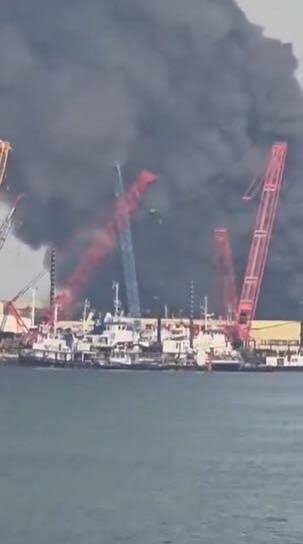
Iran launched a wave of missiles and drones across the Middle East on Monday, targeting Israel and several Gulf states amid intensifying strikes by the United States and Israel on Iranian territory.
Explosions were reported in Kuwait, with local sources indicating that the U.S. Embassy compounds may have been hit during the attacks. Authorities are yet to confirm the extent of damage.
The Kingdom of Bahrain said its air defence systems intercepted 70 Iranian ballistic missiles and drones, preventing major damage. Bahrain hosts the U.S. Fifth Fleet, making it a key strategic target.
In Saudi Arabia, Saudi Aramco temporarily shut down its Ras Tanura refinery after it was targeted by Iranian drones, raising fresh concerns about global oil supply.
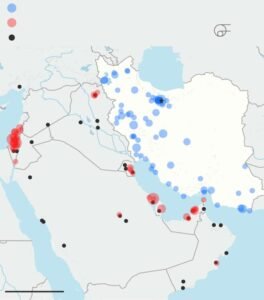
Meanwhile, a bomb-laden drone boat struck a Marshall Islands-flagged oil tanker in the Gulf of Oman, killing one crew member. The attack comes amid Iranian threats to shipping routes near the Strait of Hormuz.
Israel and U.S. forces continue airstrikes on Iranian military targets, further deepening fears of a wider regional war.