
International
Starmer Defends UK Position on Iran Strikes, Says Decision Guided by Law and National Interest

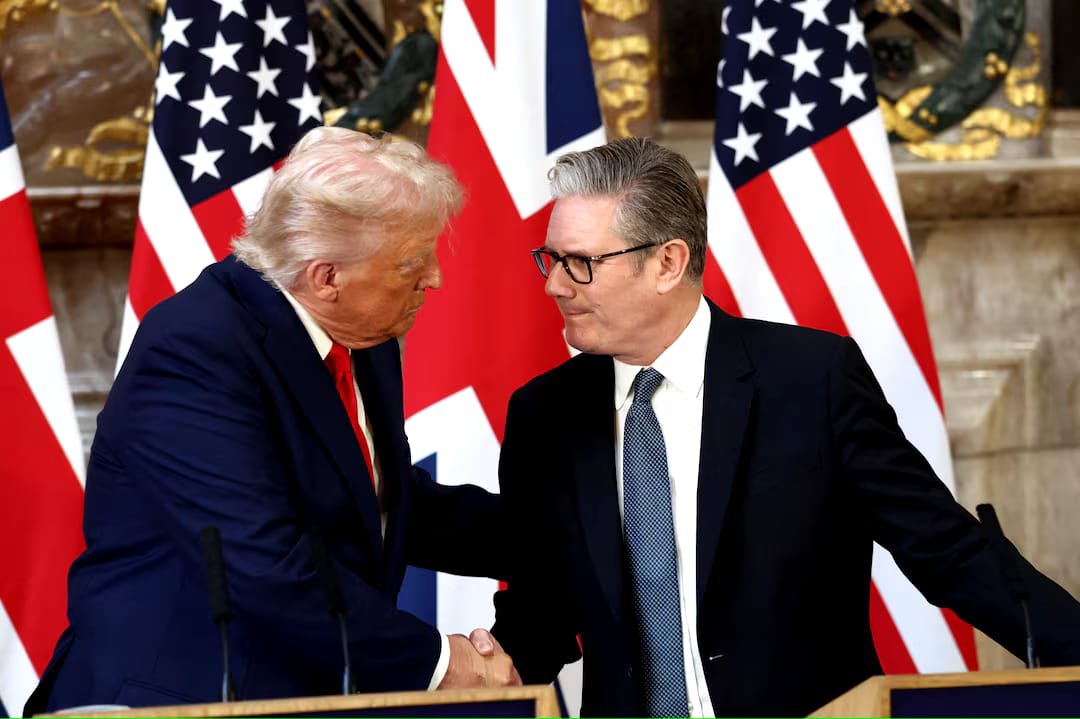
British Prime Minister Keir Starmer on Monday defended his government’s stance on the escalating Middle East conflict, insisting that his decisions were driven by legal obligations and Britain’s national interest, not political pressure.


Addressing Parliament, Starmer confirmed that the United Kingdom did not participate in the initial “offensive strikes” launched against Iran by the United States and Israel over the weekend.
However, he acknowledged approving the limited use of British military bases by the U.S. forces after what he described as “reckless” Iranian drone and missile attacks that endangered British nationals in the region.
“We were not involved in the initial strikes against Iran, and we will not join offensive action now,” Starmer told lawmakers in a packed and silent House of Commons. “But in the face of Iran’s barrage of missiles and drones, we will protect our people in the region.”
His remarks come after criticism from the U.S. President Donald Trump, who reportedly disagreed with Britain’s decision not to take part in the first wave of strikes. In an interview with the Daily Telegraph, Trump suggested the UK had delayed allowing the use of its bases and claimed Starmer appeared “worried about the legality” of the operation.
Starmer pushed back firmly, stating: “President Trump has expressed his disagreement with our decision not to get involved in the initial strikes, but it is my duty to judge what is in Britain’s national interest. That is what I’ve done, and I stand by it.”
The Prime Minister is facing political pressure at home from both sides of the aisle. Some voices on the left have urged him to condemn the U.S. and Israeli military action, while on the right, Nigel Farage, leader of Reform UK, criticised the government for failing to offer full backing to Washington.
Starmer also warned against repeating what he called the “mistakes of Iraq,” a clear reference to Britain’s controversial involvement in the 2003 invasion, signalling a cautious approach to deeper military engagement in the region.
The UK government has maintained that while it will not participate in offensive operations, it remains committed to protecting British personnel and interests abroad as tensions in the Middle East continue to rise.