
International
Turkey Targets More Defence Sales as West Rearms and Alliances Shift

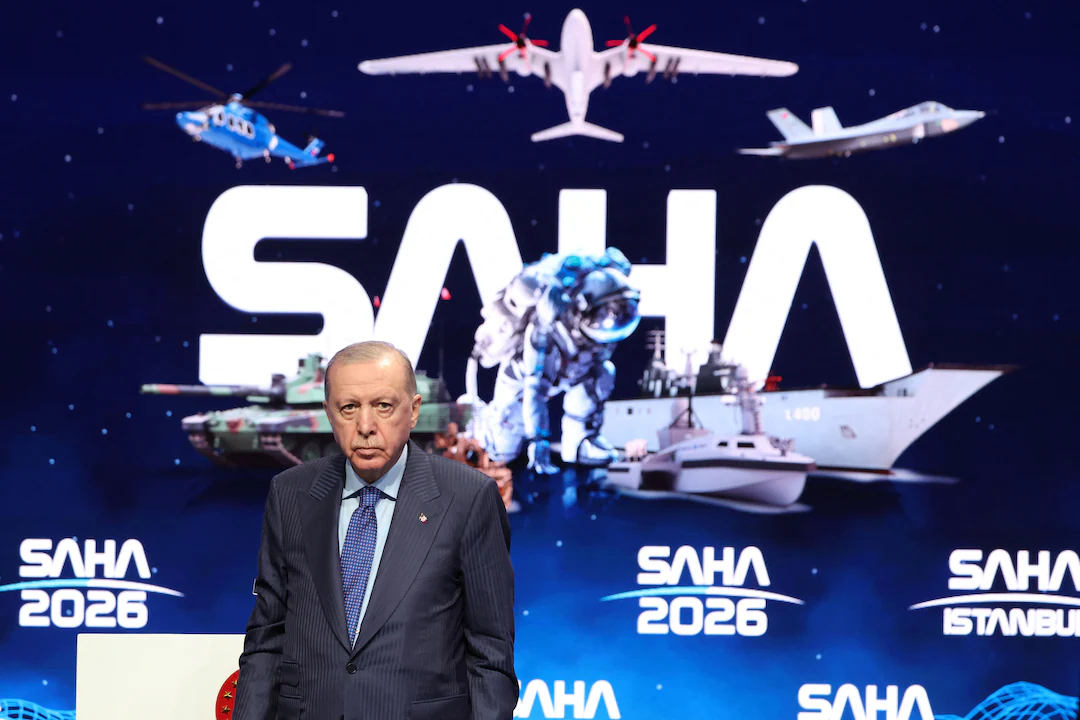
Turkey is seeking to expand its rapidly growing defence industry as Western nations increase military spending and global security alliances undergo significant changes. The move comes as European countries accelerate rearmament efforts following Russia’s invasion of Ukraine and growing uncertainty over long-term security guarantees.
Over the past two decades, Turkey has transformed itself from a major arms importer into one of the world’s fastest-growing defence exporters. Government investment in domestic military technology, particularly drones, ammunition, armoured vehicles and naval systems, has helped Ankara establish itself as a competitive supplier in global markets. Turkish defence exports have more than tripled since 2021, reaching approximately $10 billion annually.
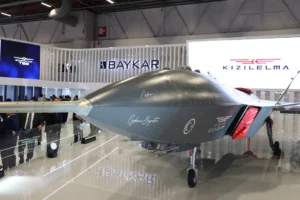
Turkish officials believe the changing security landscape presents new opportunities for defence cooperation with Europe and other NATO allies. As European governments seek to strengthen military capabilities and diversify supply chains, Turkey is positioning itself as both a strategic security partner and a defence manufacturing hub.
Ankara is expected to use upcoming NATO engagements to promote its defence sector and pursue joint production agreements with Western partners. Turkish defence firms have gained international attention for their armed drones, which have been deployed in several conflicts and exported to dozens of countries across Europe, Africa, Asia and the Middle East.
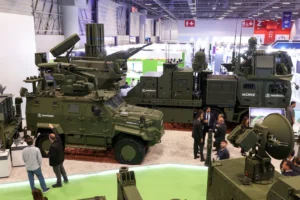
Industry analysts say Turkey’s success stems from competitive pricing, faster delivery schedules and a willingness to customize equipment to meet customer requirements. The country’s defence manufacturers are increasingly competing with traditional Western suppliers, particularly in emerging markets where governments seek affordable military technology.
However, Turkey’s ambitions face challenges within Europe. Political disagreements between Ankara and some European Union members have limited Turkish participation in certain EU-funded defence initiatives. Turkish officials have repeatedly called for greater inclusion of non-EU NATO members in Europe’s evolving security architecture.
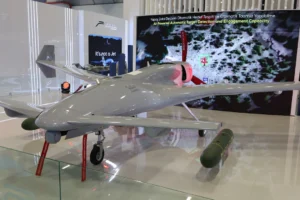
Despite these obstacles, Turkish defence companies have continued to secure contracts and partnerships across Europe. Recent collaborations involving drone production, aerospace development and military technology transfers suggest growing recognition of Turkey’s role in regional security and defence manufacturing.
With global military spending reaching record levels and conflicts continuing to reshape international security priorities, Turkey hopes to further increase exports and strengthen its position as a leading supplier of defence equipment to both Western allies and developing nations.