
Energy
Middle East Tensions Push Oil Up 3% Amid Supply Disruption Concerns

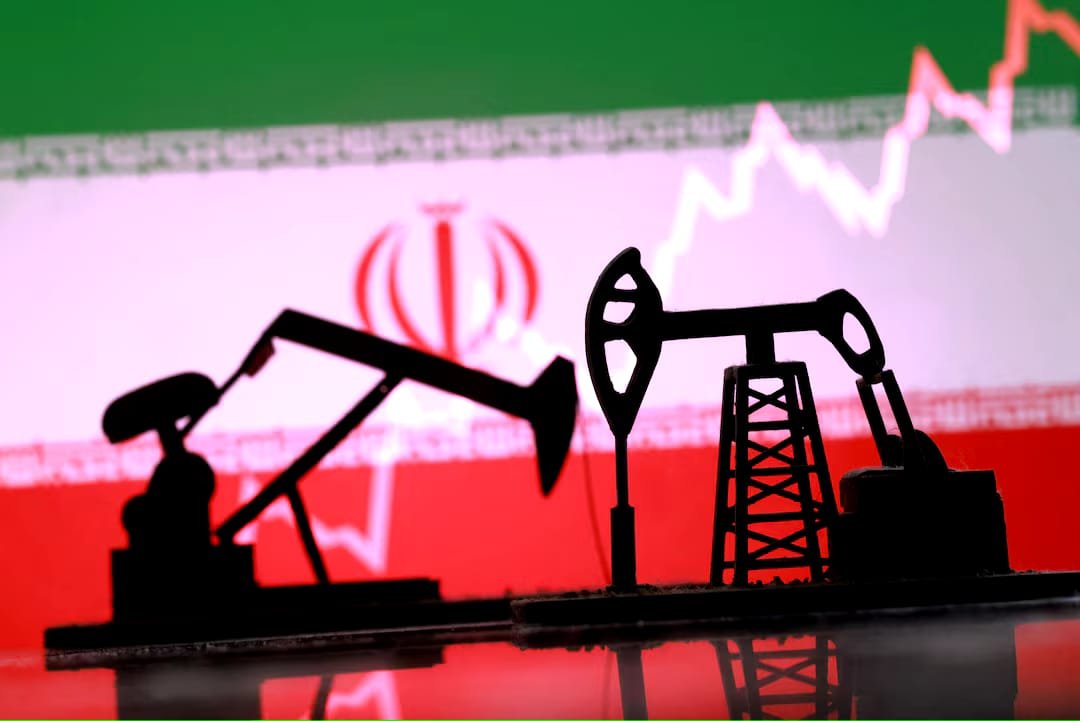
Global oil prices surged by more than 3% on Thursday as escalating conflict involving Iran heightened fears of disruptions to energy supplies from the Middle East.
Benchmark Brent crude rose by about $2.98, or 3.6%, to around $84 per barrel, while U.S. West Texas Intermediate crude climbed more than 5% to nearly $79 per barrel, marking its highest level in months.
The rally in oil prices was driven by concerns that the widening conflict between Iran and its adversaries could severely disrupt production and shipping routes in one of the world’s most important energy regions. The Middle East accounts for a large share of global crude supply, and analysts warn that prolonged hostilities could trigger wider market instability.
Particular concern centers on the Strait of Hormuz, a strategic waterway through which roughly 20% of the world’s oil supply passes daily. Any disruption in this narrow passage between Iran and Oman could significantly affect global energy markets and push prices even higher.
Shipping and energy infrastructure in the region have already been affected. Reports indicate that several oil tankers were stranded near the Strait of Hormuz, while attacks and security threats forced some refineries and export facilities in the Middle East to halt operations.
The conflict has also triggered spikes in other energy markets. Jet fuel prices have risen sharply due to supply disruptions, while airlines and shipping companies are rerouting operations to avoid high-risk areas in the region.
Analysts warn that if the conflict continues to escalate or if key energy infrastructure is targeted, oil prices could rise further, increasing global inflationary pressures and raising fuel costs for consumers worldwide.