
Lifestyle
Osun Osogbo Festival 2026: Stakeholders Urge Federal Government to Leverage Cultural Tourism for Economic Growth, Call for Peaceful Governorship Election

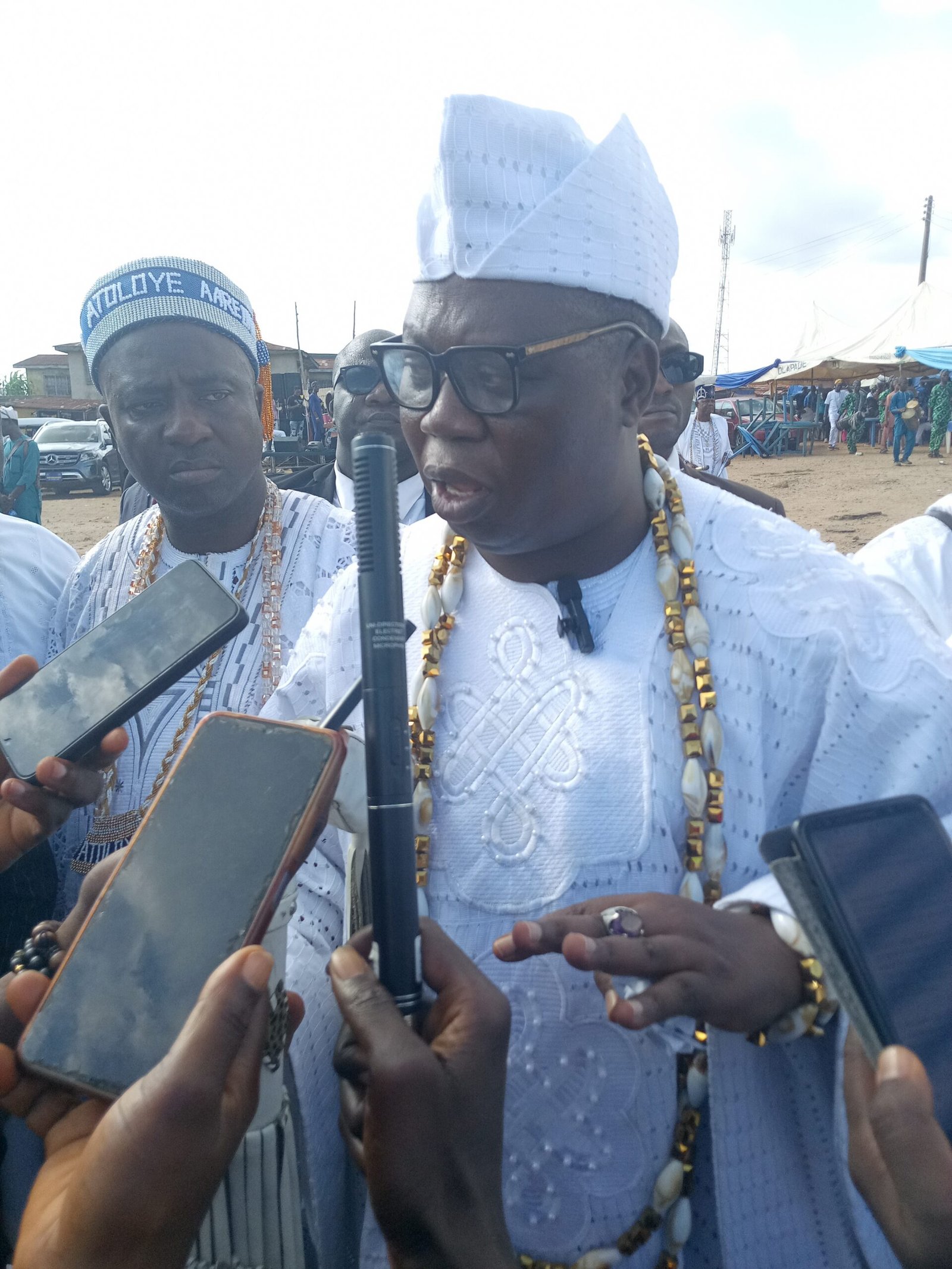
The 2026 edition of the annual Osun Osogbo Cultural Festival reached its grand crescendo over the weekend at the sacred Osun Grove, drawing a massive crowd of devotees, traditionalists, tourists, and dignitaries.
0-0x0-0-0#
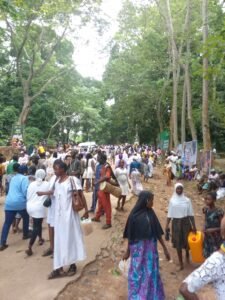
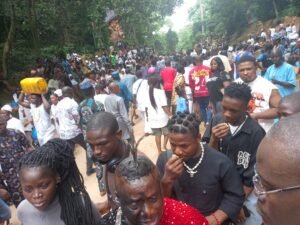
The week-long event, which culminated in a colourful and spiritually charged ceremony, saw the historic grove filled to capacity with a shoulder-to-shoulder congregation of worshippers and culture enthusiasts who came to pay homage to the river goddess Osun.
0-0x0-0-0#
Traditionalists at the event spoke glowingly about the revered potency of Osun, highlighting her enduring significance as a divine healer, a gifter of children, and a powerful protector of the Yoruba race.
The atmosphere was thick with devotion as priests and priestesses performed ancient rites, accompanied by drumming, singing, and dancing that reverberated through the UNESCO World Heritage Site.
0-0x0-0-0#
The grand finale was graced by several prominent traditional rulers, including Oba Peter Ipadeola Oluyooye, the Olufon of Ifon, who added royal gravitas to the occasion.
The event also received a significant boost from the Oodua People’s Congress, with its President and the Aare Ona Kakanfo of Yorubaland, Iba Gani Adams, delivering a stirring address during the grand finale support event.
Speaking at the festival, Iba Gani Adams made a passionate call for the Federal Government to take a more active role in promoting Nigeria’s cultural heritage, stressing that the Osun Osogbo Festival holds immense potential as a global tourism brand that could significantly contribute to the nation’s economy.
He warned that while Nigeria and Africa pursue technological and economic development, they must not neglect their indigenous identity.
Citing the examples of China, Singapore, and South Korea, he noted that these nations have demonstrated how to successfully combine development, innovation, and cultural identity to achieve global relevance.
Adams said, “Whether you are a Christian or a Muslim, we must recognise that our indigenous culture and heritage are important. Our traditional heritage is part of who we are. Our traditional heritage is our foundation; it is the beginning of our history. If you do not know where you are coming from, you may not know where you are going.”
He stressed that Nigeria’s cultural heritage could become a major instrument for projecting the country positively before the international community.
Describing the Osun Osogbo Festival as more than an annual cultural gathering, the Aare Ona Kakanfo argued that it has the potential to become one of Nigeria’s strongest cultural tourism assets. He urged the Federal Government to “key into” the festival and support efforts to transform it into a truly global event.
He compared its potential to international sporting events like the FIFA World Cup and the Olympic Games, which promote countries through sports tourism, and stated that Nigeria could similarly project its image through cultural tourism.
He called for stronger collaboration between the Federal Government, Osun State Government, traditional institutions, the host community, and private-sector investors to expand the festival and maximise its economic potential.
Adams also advised the organisers to introduce fresh ideas and activities into the festival each year to keep it vibrant and attractive.
“It cannot continue to be having the same content every year. If we are having the same content, no matter how good the content is, people will not have a better experience within two or three years. Let them bring new innovations into the content and programme of the festival. They have to be creative so that the festival can look like a new festival and not a festival on repeat,” he said.
In his welcome address, the President of the Oloko Festival Foundation described the annual celebration as a living expression of Yoruba history, traditions, spirituality, music, dance, arts, and storytelling. He welcomed royal fathers, guests, and members of the foundation, commending their commitment to sustaining the festival and preserving the cultural identity of the Yoruba people.
He noted that the Osun Sacred Grove remains a significant cultural and spiritual treasure that embodies the history and identity of the Yoruba race, providing an opportunity for the people to renew their connection with their heritage and pass traditional knowledge to younger generations.
The foundation president also highlighted the economic importance of the festival, stating that it attracts visitors from different parts of Nigeria and other countries, creating opportunities for local businesses, artisans, performers, traders, and tourism operators.
He called for increased government and private-sector investment in infrastructure, security, publicity, and tourism facilities around the festival, as well as stronger support for local entrepreneurs to stimulate economic activity and create jobs for the host community.
He also advocated for the integration of the festival into broader state and national tourism strategies to enable visitors to explore other cultural sites in Osun State, including those in Osogbo, Ile-Ife, and Ilesa.
Expressing appreciation to the Osun State Government for its continued support, the foundation president noted that government investment in infrastructure, security, and tourism promotion had contributed to the growth of the celebration.
He also acknowledged the role of the traditional institution and the royal leadership of Osogbo in sustaining the festival.
Beyond cultural and economic discussions, stakeholders used the platform to appeal to politicians, the Independent National Electoral Commission, and security agencies ahead of the forthcoming Osun State governorship election scheduled for August 15, 2026. They called for a peaceful, credible, and transparent electoral process conducted on a level playing field.
Iba Gani Adams condemned political violence and appealed to politicians not to allow the pursuit of power to result in the loss of lives. “Power is transient. Power is momentary. We should not, because we are looking for power, kill a soul,” he said.
He warned that the conduct of the Osun election could influence public confidence in future elections and urged INEC and security agencies to remain neutral. “I will appeal to them that the election should be peaceful. We don’t need bloodshed in Yoruba land. We want a peaceful atmosphere for the election,” he added.
The speakers concluded that the future of the Osun Osogbo Festival depends on innovation, stronger government involvement, and greater participation from the private sector and international tourism community.
They called on the Federal Government to recognise the festival as a national cultural asset and provide the necessary support to make it a global tourism attraction.
The consensus was that the 2026 festival should serve as a platform for tourism, employment, investment, cultural exchange, and national image-building, adding that preserving Nigeria’s cultural heritage while embracing innovation would help the country build a stronger identity and create a more positive image before the international community.