
Security
Presidency Unveils New Homeland Security Drive, Prioritises Surveillance, Border Security and Crisis Response

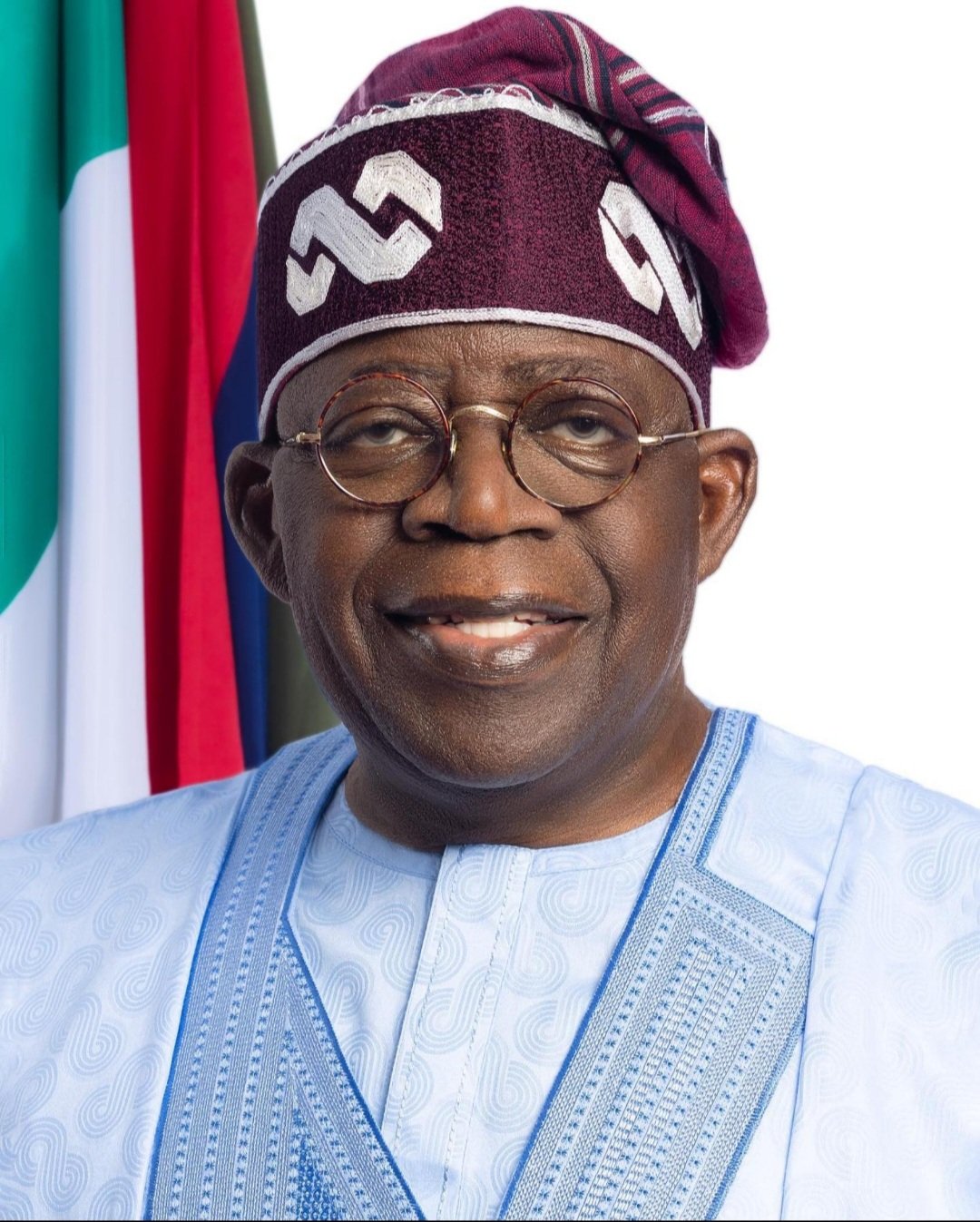
The Federal Government has intensified efforts to strengthen Nigeria’s internal security framework, with the Special Adviser to the President on Homeland Security, Major General Adeyinka T. Famadewa (Rtd), convening the first Homeland Security Stakeholders’ Meeting in Abuja to chart a coordinated approach to addressing the country’s evolving security challenges.


The meeting, held at the Office of the Secretary to the Government of the Federation (OSGF), brought together heads and representatives of key ministries, departments and agencies (MDAs), alongside security institutions and other critical stakeholders, with the aim of improving inter-agency cooperation and reinforcing Nigeria’s homeland security architecture.
In his opening remarks, Famadewa said the initiative reflects President Bola Ahmed Tinubu’s commitment to building a secure, resilient and technology-driven homeland security system capable of responding effectively to both current and emerging threats.
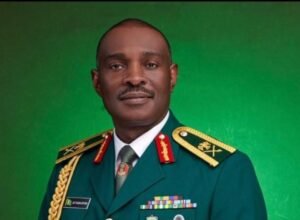
He stressed that lasting security can only be achieved through stronger collaboration among government institutions, improved intelligence sharing and coordinated operational responses.
According to him, the Office of the Special Adviser on Homeland Security is designed to complement not replace the work already being carried out by Nigeria’s armed forces and other security agencies.

Discussions at the maiden meeting centred on four major strategic priorities that the Presidency believes will strengthen national security.
The first is the implementation of a Unified Surveillance Programme, aimed at improving situational awareness across the country through enhanced monitoring and the deployment of modern technology.
Stakeholders also examined measures to strengthen identity management in order to reduce the use of anonymous platforms and identities by criminal elements involved in terrorism, kidnapping, cybercrime and other security threats.
A third area of focus was border security, with participants discussing ways to improve coordination among agencies, deploy advanced technology and increase intelligence-led operations to curb illegal migration, arms smuggling and transnational crimes.
The fourth priority involves establishing more efficient Early Warning, Crisis Reporting and Response Mechanisms to ensure faster detection of threats, quicker decision-making and coordinated emergency responses across the country.
Famadewa praised members of the armed forces and other security agencies for their sacrifices in tackling insecurity across Nigeria.
He noted that while military operations remain critical, non-kinetic approaches; including community engagement, resilience-building and preventive strategies must also play a central role in improving national security.

Participants engaged in extensive discussions based on their institutional responsibilities and agreed that Nigeria’s increasingly complex security environment requires a whole-of-government and whole-of-society approach.
They emphasized the importance of sustained collaboration, information sharing, technological innovation and institutional coordination to address both traditional and emerging security threats.
At the end of the meeting, stakeholders agreed to establish stronger coordination mechanisms, hold regular engagements and develop practical implementation frameworks that will translate the agreed priorities into measurable outcomes.
Among those who attended the meeting were the Permanent Secretary, Special Services Office, the Comptroller-General of the Nigeria Customs Service, the Controller-General of the Nigerian Correctional Service, the Chief Executive Officer of the Nigerian Financial Intelligence Unit (NFIU), the Corps Marshal of the Federal Road Safety Corps (FRSC) and the Director-General of the Office for Strategic Preparedness and Resilience (OSPRE).
Representatives of the armed forces, intelligence agencies, relevant ministries, regulatory bodies and other security stakeholders were also present.
The inaugural stakeholders’ meeting signals the Presidency’s intention to institutionalise greater cooperation among security agencies while leveraging technology to improve surveillance, border management and emergency response.
Analysts say the success of the initiative will depend on sustained political commitment, adequate funding, effective implementation and continued collaboration among all agencies responsible for safeguarding Nigeria’s national security.