Economy
REPS ADVANCE ₦58.47 TRILLION 2027 BUDGET TO SECOND READING


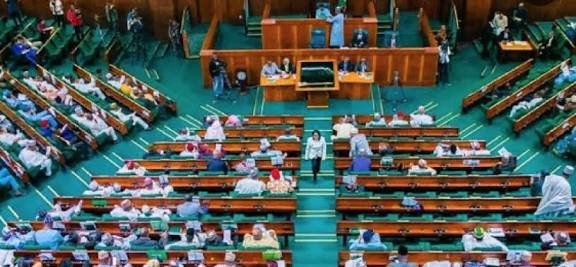
The House of Representatives has passed the ₦58.47 trillion 2026 Appropriation Bill for second reading, marking a key legislative step in President Bola Ahmed Tinubu’s push for fiscal reforms and economic stabilization.
The budget proposal, presented to the National Assembly by President Tinubu in December, outlines a total expenditure of ₦58.47 trillion. Of this amount, ₦4.09 trillion is earmarked for statutory transfers, ₦15.91 trillion for debt servicing, and ₦15.25 trillion for recurrent expenditure.
The lawmakers noted that the spending plan places strong emphasis on macroeconomic stability, national security, infrastructure development, and capital investment, in line with the administration’s reform agenda.
Following deliberations, the House referred the bill to the Committee on Appropriations for further legislative work.
Plenary was subsequently adjourned for two weeks to enable ministries, departments, and agencies (MDAs) to commence budget defence sessions.
“This budget reflects the government’s commitment to fiscal discipline, economic growth, and improved service delivery. The House will ensure thorough scrutiny to guarantee value for money and alignment with national priorities.”
The passage of the ₦58.47 trillion 2026 budget for second reading signals strong legislative backing for President Tinubu’s reform-driven fiscal agenda.
The large allocations to debt servicing and recurrent expenditure highlight Nigeria’s persistent fiscal pressure, while the emphasis on capital spending and security suggests an attempt to balance economic stabilization with growth and safety concerns.
However, the real test lies ahead during budget defence, where lawmakers will scrutinize MDAs to ensure fiscal discipline, realistic projections, and effective implementation areas that have historically undermined budget performance in Nigeria.