Opinion
Senator Ajagunla, Fadahunsi, and Others in the Theoretical Politics of the Osun APC

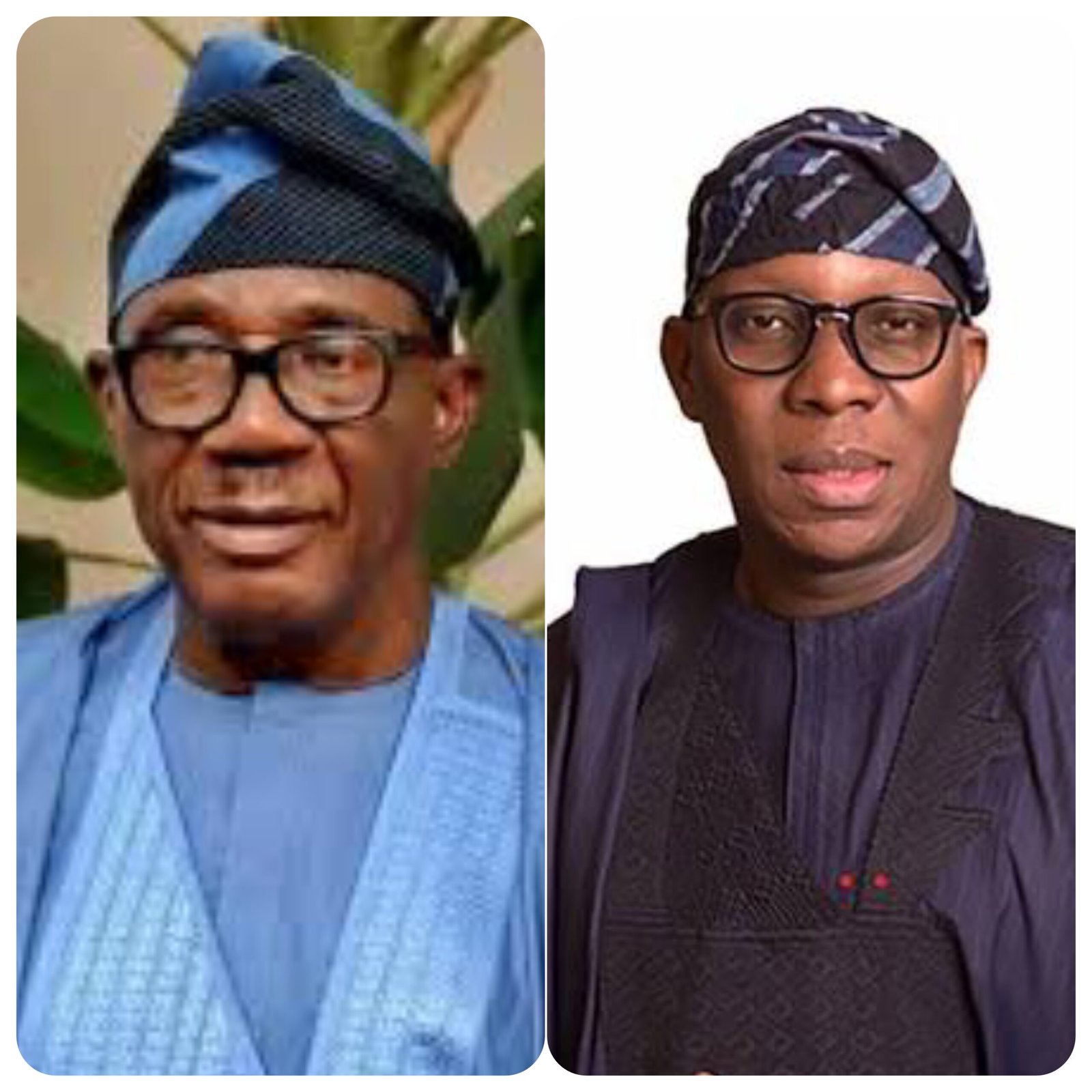
By. Pelumi Olajengbesi Esq.
Senator Ajagunla was recently denied the opportunity to secure the Osun APC ticket to run for the Senate in a manner I considered disrespectful, politically demeaning, and strategically shortsighted. However, in politics, nothing is truly over until it is finally concluded, and I do not believe the last chapter has been written yet. Ajagunla can still try.
Senator Ajagunla and Senator Francis Fadahunsi are two senior political figures I have deliberately refrained from writing about despite their departure from our party in Osun State. This restraint was informed by personal respect, longstanding relationships, and the regard I still maintain for both men. Truthfully, the decampment of the two senators into the APC was an attempt to give fresh life to a party that had already become politically weak and largely irrelevant in Osun State.
It is a fact in Osun that the emergence of Governor Ademola Adeleke and the immediate activation of projects and governance initiatives many previously considered impossible fundamentally changed the political atmosphere in the State. The Osun APC became severely weakened in public perception to the point where many citizens had psychologically disconnected from the party as a political platform. It became so bad that former Governor Gboyega Oyetola, who once considered another governorship attempt, was reportedly advised against it.
I was slightly close to both Senator Fadahunsi and Senator Ajagunla and, to my understanding, they perhaps made a strategic miscalculation by moving into the APC. I say this respectfully and boldly. Senator Fadahunsi understood clearly that Ijesaland is no longer an APC territory, especially with the level of transformation currently taking place under the Adeleke administration. Senator Ajagunla equally understood that his emergence as Senator was significantly aided by the political momentum, emotional wave, and goodwill generated by Governor Ademola Adeleke’s victory in 2022. Therefore, leaving their party for the APC became a costly political adventure they may have misjudged.
It is therefore likely that both men moved into the APC based on widespread speculation at the time that Governor Adeleke himself was considering joining the APC. They probably sought political self-preservation by moving ahead of the curve, only to eventually discover that Governor Adeleke was never truly joining the APC structure in Osun State.
Senator Fadahunsi occupies a unique political position. Unlike many others within the Osun APC, he possesses direct political access to the President independent of the Osun APC establishment. His relevance does not depend entirely on the goodwill of local political brokers, unlike Wole Oke, who struggled for proximity and validation within the Oyetola political structure.
However, even with that advantage, his Senate ticket within the APC remains more of political convenience than absolute certainty.
The Osun APC did not retain Fadahunsi’s ticket because it suddenly developed respect for agreements or democratic principles. The reality is much simpler and more uncomfortable for the party. The Osun APC lacks confidence in the strength, popularity, and electoral viability of many of its existing members within Osun East. The party understands clearly that whatever electoral showing it hopes to make within the Ife/Ijesa Senatorial District will depend substantially on Fadahunsi’s personal goodwill, political reach, and established support base rather than the strength of the APC itself.
Ajagunla was denied the Senate ticket largely because the APC leadership calculated that they could politically survive without him. They believed Ajagunla’s rise was heavily tied to the Adeleke political wave. I believe that calculation may eventually prove very costly.
In Ijesa North, where Wole Oke eventually secured the House of Representatives ticket, the political reality is equally revealing. The APC actually possesses several credible and financially capable aspirants who could legitimately contest and perform well electorally. However, many of them operate a more restrained and dignified style of politics. While they maintained decorum, loyalty, and internal respect, they were gradually portrayed as politically weak, financially incapable, and electorally irrelevant by Wole Oke’s style of politics.
Wole Oke, on the other hand, approached politics differently. He walked into the APC virtually alone, without any significant political structure from his former party, and strategically embedded himself deeply within the Oyetola political circle. He mastered the art of proximity politics through consistent visibility, relationship management, public loyalty displays, and sustained political engagement around the Oyetola structure. While others relied on institutional respectability, Wole Oke invested heavily in influence cultivation and political survival strategies. From publicly celebrating Oyetola’s mother to consistently projecting loyalty on social media, he understood the politics of access and visibility until he was able to convince Oyetola that the APC was politically vulnerable in Ijesa North without him.
In Ife, the calculations appear even more strategic than electoral. The APC establishment seems increasingly interested in promoting Ajilesoro because there is already a quiet but deliberate effort to weaken the existing Ife APC structure historically associated with Ogbeni Rauf Aregbesola and Senator Iyiola Omisore. Despite the undeniable fact that Omisore played a major role in making Oyetola Governor, his entrenched influence within Ife APC remains uncomfortable for sections of the mainstream APC leadership, thereby creating a strong desire to construct an alternative political structure loyal exclusively to the current power bloc.
Senator Ajagunla and Hon. Omirin relied considerably on Senator Fadahunsi’s goodwill, relationships, and influence within the evolving APC equation. At the same time, Senator Ajagunla reportedly invested enormous resources within a very short period in consultations, stakeholder engagements, outreach, and political negotiations across APC circles. Given the fluid nature of Osun APC politics, it may still be premature to conclude that his political journey within the party has ended. While Omirin’s emergence appeared easier because the APC lacks capable hands in Ijesa South, Ajagunla, despite investing heavily, found himself denied.
The Osun APC only embraced many decampees because it became convinced that several within its existing structure lacked sufficient electoral value, grassroots appeal, and political capacity strong enough to challenge Governor Ademola Adeleke’s popularity.
At the end of the day, the greatest losers may eventually be the real APC members who laboured for years to sustain the party, only to watch political calculations, emergency alliances, and survival tactics suddenly override loyalty, sacrifice, and long-standing commitment.
Ajagunla may still return as the candidate and lose the election to Gani Olaoluwa, who remains one of the most popular grassroots politicians in Osun Central.
Pelumi Olajengbesi, Esq., a legal practitioner, writes from Abuja.
20/05/2026.