
Analysis
Spain’s Pork Industry Hit by Swine Fever Scare, Farmers Count Losses

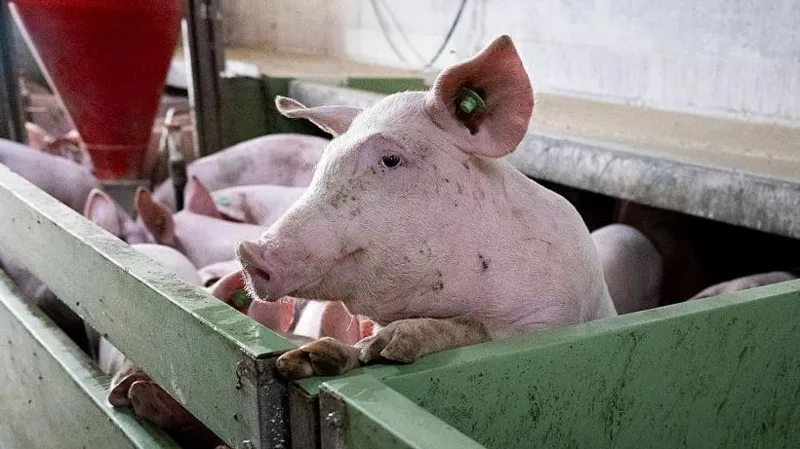
Spain’s multi billion euro pork industry is facing mounting pressure following an outbreak of African Swine Fever (ASF), which has disrupted exports and slashed farm revenues across the country.
For farmers like Jordi Saltiveri, who manages an 8,000 pig farm in northeastern Catalonia, the impact has been immediate and severe. Although the virus has not reached his farm, he says the financial fallout has been unavoidable.
“Each pig we sell has dropped in value by €30 to €40 compared to before the outbreak,” he said, describing the situation as both frustrating and worrying.
ASF, a highly contagious disease that affects pigs and wild boar but not humans, was first detected near Collserola Park, on the outskirts of Barcelona. Authorities traced the outbreak to an infected wild boar discovered in the area late last year.
Containment Efforts Intensify
Regional officials moved swiftly to contain the spread, sealing off affected zones and launching an aggressive culling programme targeting wild boar populations, seen as a major carrier of the virus.
According to Catalonia’s agriculture chief, Òscar Ordeig, wild boar overpopulation has worsened the crisis, contributing to both disease transmission and rising human wildlife conflicts.
Authorities estimate that between 120,000 and 180,000 wild boars roam the region, with plans underway to reduce that number by half. So far, tens of thousands have been culled, with surveillance systems including drones and cameras deployed to monitor movement and detect infections.
Strict biosecurity protocols have also been enforced, including disinfection of vehicles and equipment used in high risk zones.
Export Markets Shut, Losses Mount
The outbreak has triggered immediate trade restrictions, with key markets such as Brazil, Japan, Mexico, South Africa and the United States suspending imports of Spanish pork.
While some regions, including parts of the EU and China, have imposed only localized bans, the damage to exports has been significant.
Pork shipments from Catalonia dropped by 17% in January alone compared to the previous year. Industry estimates suggest losses have already exceeded €600 million.
Spain’s pork sector valued at around €25 billion and the largest in Europe now faces a long recovery process. Even after eliminating the disease, the country must wait at least 12 months before regaining full export status.
Farmers Fear Long Term Impact
The situation has drawn comparisons with Germany, where ASF outbreaks in recent years led to a sharp decline in production and widespread farm closures.
Industry stakeholders are urging faster containment measures to avoid a similar outcome. Some critics argue that early responses, particularly around wildlife control, were too slow.
Despite the challenges, officials point to Belgium as a model, having successfully eradicated ASF within 14 months of its first reported case.
Domestic Confidence Holds
Back home, consumer confidence appears relatively stable. In markets across Barcelona, shoppers say they trust government safety measures and continue to buy pork.
Retailers also report that while sales have softened, the decline is more closely linked to broader economic pressures than fears over the disease.
For now, Spain’s pork industry remains in a race against time, balancing containment efforts with the urgent need to restore global confidence in one of its most valuable agricultural exports.