
Opinion
The Tough Road to Moving Away From Fossil Fuels

BY AVM RTD AKUGBE IYAMU MNSA fsi
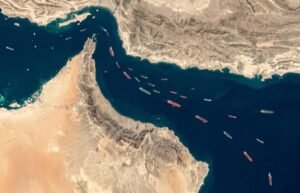
The strait of Hormuz crisis clearly show that energy security matters more than Paris Agreement or climate change crisis. The disruption of crude oil and fertilisers was very consequential to the global economy. It introduced cost of living crisis particularly in the United States, China and Russia that they are not willing to forget in a hurry. A space renewable energy did not step forward to fill. Closing the Strait of Hormuz—which blocks roughly one-fifth of global oil and one-quarter of liquefied natural gas (LNG)—imposes steep energy price spikes, supply bottlenecks, and heavy economic costs that hit developing and energy-importing economies hardest

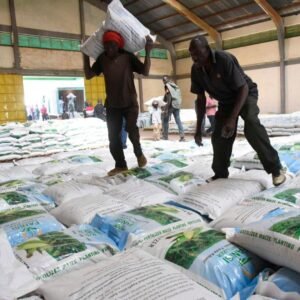
During the 2026 Strait of Hormuz crisis starting in late February, oil prices surged above $126 per barrel and LNG spot prices neared $30/MMBtu. estimates the oil price shock could raise annual import bills by $20 billion for least developed countries ($16.1 billion) and small island developing states ($4.3 billion), exceeding 5% of GDP in some economies. While aggregate global welfare losses may look moderate—with U.S. losses estimated around -0.07%—countries in South Asia and sub-Saharan Africa face losses 10 to 20 times larger due to energy and fertilizer import reliance. Higher refined fuel and freight costs, imported inflation, and costlier agricultural inputs (such as fertilizers and chemicals) squeeze households, businesses, and food prices.
The Trump administration did not send an official federal negotiating delegation to COP31 in Antalya, Türkiye, reflecting a broader retreat from UN climate diplomacy, withdrawal from the Paris Agreement, and a push to expand oil, coal, and gas. This was not surprising because the United States has withdrawn from the Paris Agreement and announced its withdrawal from the UN Framework Convention on Climate Change (UNFCCC), though it remains technically a Party until February 2027.
Additionally, the Trump administration has prioritized fossil fuel production, rolled back emission rules and clean energy funding, and cut climate research and aid. Ambushing COP31 was the final stage of letting the world know his position on fossil fuels. However, it won’t be the end of the road to the Paris Agreement and renewable energy as the Democrat has become dominant in both houses.
Although climate change did not feature in the Democratic Party campaign but they will certainly elevate renewable energy to the policy space. Following the November 2026 midterm elections, PBS NewsHour (November 9, 2026) reported that incoming Democratic majorities in Congress plan oversight investigations and clean energy pushes starting in January, though enacting major legislation faces hurdles from President Donald Trump’s veto threat. Progressives and climate groups—such as the DNC Environment and Climate Crisis Council and state parties like the California Democratic Party—urge rapid phase-outs of fossil fuels and aggressive emissions targets, while labor unions and more moderate lawmakers often prioritize union jobs, permitting compromises, and energy affordability.
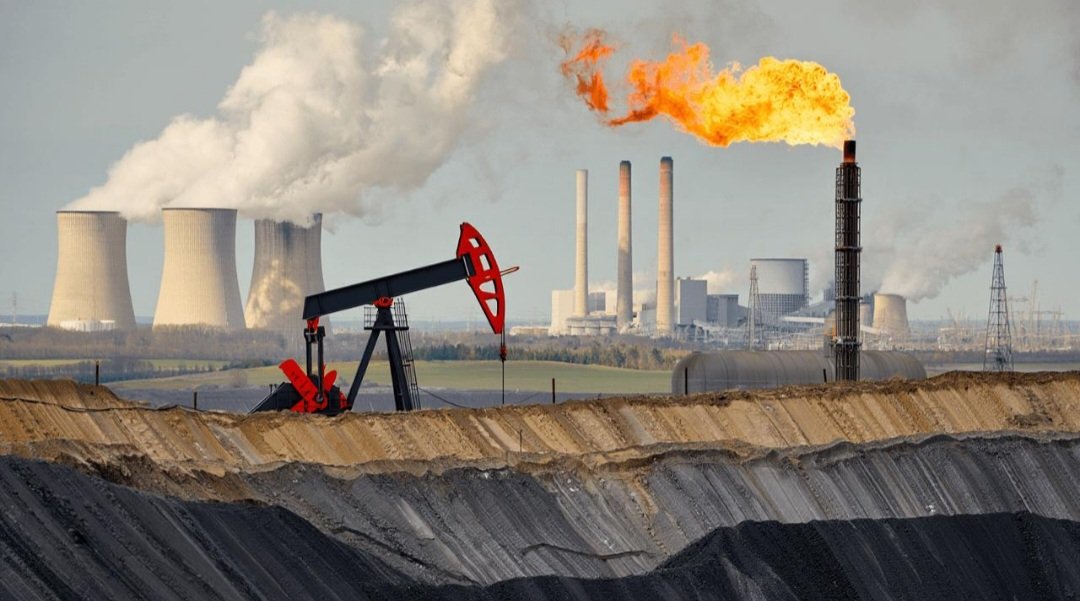
Diversification from fossil fuel may face disruptions from high polluters or take a longer time. One thing is certain, the world must move away from fossil fuel; coal, gas and crude oil are responsible for climate change and environmental consequences. Because fossil fuels take geological ages to form, they cannot be replenished on a human timescale. Fossil fuels—coal, oil, and natural gas—pose
severe threats to human health, ecosystems, and climate stability. Burning them releases greenhouse gases and toxic pollutants while extraction damages land and water.
AVM RTD AKUGBE IYAMU MNSA fsi
PRESIDENT ASSOCIATION OF ENVIRONMENTAL PROTECTION AND CLIMATE CHANGE PRACTITIONERS
CONSULTANT ON CLIMATE CHANGE AND ANALYST ON ENVIRONMENTAL POLICIES AND COMMENTATOR ON NATIONAL ISSUES