
General News
Tinubu Moves To Cut Fuel Dependence, Orders Nationwide Push For Local Biofuel Production


President Bola Tinubu has directed the Energy Commission of Nigeria to fast-track the development of local biofuel production, signalling a fresh push to diversify the country’s energy sources, reduce dependence on petrol and diesel and create new economic opportunities.
The directive followed Nigeria’s admission into the Global Bioenergy Partnership (GBEP), an international initiative hosted by the Food and Agriculture Organisation of the United Nations (FAO).
Nigeria secured Partner Country status on November 5 in Rome, Italy, following the Federal Executive Council’s approval of the Strategic Plan of the Nigeria Bioenergy Partnership.

Welcoming the development on Saturday, Tinubu said Nigeria must begin to harness its enormous agricultural resources to develop a viable bioenergy industry, particularly through the conversion of agricultural waste and other organic materials into commercially useful fuels.
The President said the initiative could open new revenue streams for farmers, stimulate rural industrialisation and provide employment opportunities while making energy more affordable for Nigerians.
“Developing a domestic biofuel industry will open new markets for Nigerian farmers, create employment opportunities and stimulate manufacturing, particularly in rural communities,” he said.
He charged the Energy Commission to ensure that the country’s membership of the international partnership translates into concrete economic gains rather than remaining a diplomatic achievement.
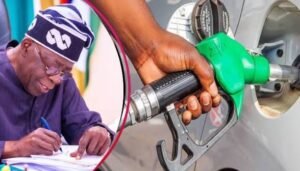
“I expect the Commission to translate Nigeria’s membership of the Partnership into investments, new industries and more affordable energy for Nigerians,” Tinubu stated.
The President also directed the commission to collaborate with private sector investors to establish biofuel production facilities across the country, stressing that such efforts must not compromise national food security.
He commended the Director-General of the Energy Commission of Nigeria, Dr Mustapha Abdullahi, and his team for securing Nigeria’s admission into the partnership, describing the development as an addition to the Federal Government’s efforts to diversify the energy sector.
Since assuming office in 2023, the Tinubu administration has pursued alternative energy initiatives, including the Presidential Initiative on Compressed Natural Gas, which was later expanded to accommodate electric vehicles, and the establishment of the Presidential Committee on Green Economic Initiatives.
Nigeria’s admission into GBEP is expected to create opportunities for international cooperation, technology transfer and investment in the country’s emerging bioenergy sector.
The initiative comes as Nigeria continues to grapple with high energy costs and the economic consequences of its dependence on conventional petroleum products.
However, translating the partnership into affordable energy will require more than policy pronouncements. Investment in processing facilities, reliable infrastructure, research, financing and clear regulatory frameworks will be critical to developing a sustainable domestic biofuel industry.
The government will also face the challenge of balancing commercial biofuel production with agricultural needs to ensure that the pursuit of alternative energy does not undermine food availability and affordability.