International
Trump Orders ‘Shoot and Kill’ Action Against Iranian Boats in Escalating Hormuz Crisis

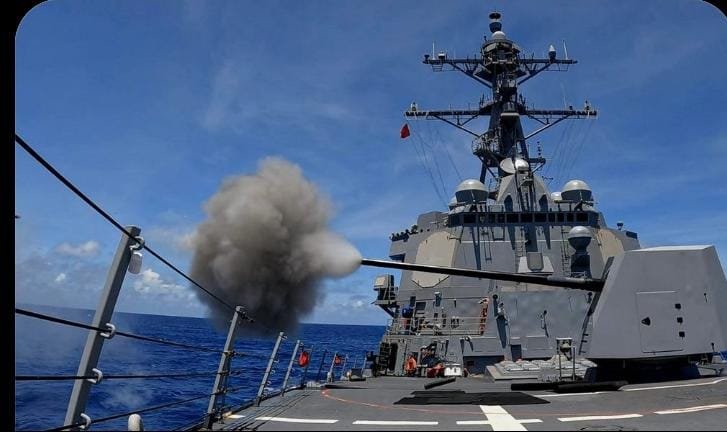
U.S. President Donald Trump has ordered the American military to “shoot and kill” Iranian small boats accused of threatening shipping in the strategically vital Strait of Hormuz, marking a sharp escalation in tensions between Washington and Tehran.
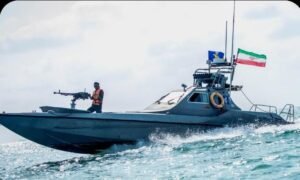
The directive, announced via social media and confirmed by multiple international outlets, specifically targets boats allegedly laying naval mines or harassing vessels in the narrow waterway a key global oil corridor through which roughly one-fifth of the world’s oil supply passes in normal times.
Trump said U.S. forces should act with “no hesitation” against any such vessels while also ordering an intensification of mine-clearing operations in the area.
The move comes amid a deepening standoff between the United States and Iran, with both sides engaged in a tense maritime confrontation that has already seen attacks on commercial ships, seizures of tankers, and competing naval operations.
According to reports, Iranian forces have been using fast, heavily armed speedboats; often described as a “swarm” or “mosquito fleet” to disrupt shipping and challenge U.S. naval presence in the region.
The U.S. military, in response, has expanded its naval footprint, deploying warships, aircraft, and underwater drones to clear mines and secure passage for commercial vessels.
The crisis is unfolding despite a fragile ceasefire declared earlier in April, with analysts warning that Trump’s latest order could further inflame tensions and risk a wider conflict. Some experts say the aggressive stance may complicate ongoing diplomatic efforts and increase volatility in global energy markets.
The Strait of Hormuz remains one of the world’s most critical chokepoints for oil transport, and any prolonged disruption could have far-reaching economic consequences, including rising fuel prices and supply chain instability worldwide.
As both nations continue to flex military power in the region, global leaders are calling for restraint, warning that the situation could spiral into a broader regional war if not carefully managed