Health
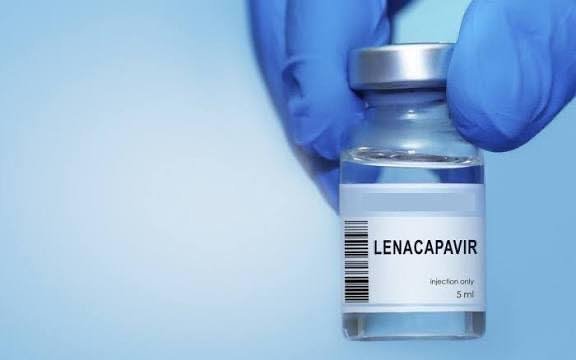
Nigeria to Receive Breakthrough HIV Prevention Drug Lenacapavir in March
Nigeria is set to take a significant step in its fight against HIV/AIDS as the Federal Government has confirmed that consignments of the breakthrough HIV-prevention drug, lenacapavir, will arrive in the country in March 2026.
The announcement was made on Monday, March 2, 2026, in Abuja by the National Agency for the Control of AIDS (NACA). The agency disclosed that preparations are already in progress for the introduction and nationwide rollout of lenacapavir as part of Nigeria’s expanded HIV prevention strategy.
Lenacapavir is a long-acting injectable pre-exposure prophylaxis (PrEP) medication administered twice a year. Clinical studies have shown that it offers near-total protection against HIV infection, marking a major advancement compared to daily oral PrEP options. Health experts believe the drug could significantly improve prevention efforts, particularly among high-risk populations and individuals who struggle with adherence to daily medication.
Officials said the introduction of lenacapavir aligns with global efforts to curb new HIV infections and accelerate epidemic control by expanding prevention choices. The drug is expected to complement existing HIV prevention services in Nigeria, including testing, counseling, condom distribution, and antiretroviral therapy.
Public health stakeholders have welcomed the development, describing it as a potential game-changer in Nigeria’s HIV response. However, experts stress that the success of the rollout will depend on strong delivery systems, sustainable funding, healthcare worker training, and community awareness campaigns to drive acceptance and uptake.
The Federal Government reaffirmed its commitment to strengthening the national HIV/AIDS response, noting that the arrival of lenacapavir represents a strategic move toward reducing new infections and improving long-term public health outcomes across the country.
Health
NEAR FOUNDATION, NIZAMIYE HOSPITAL RESTORE SIGHT TO 68 PATIENTS IN GOMBE CATARACT OUTREACH
The Near Foundation in conjunction with Nizamiye Hospital has successfully restored sight to no fewer than 68 patients in Gombe State. The cataract outreach programme held at the General Hospital Deba in Deba Local Government Area was part of these organisations efforts to improve access to quality eye care services in underserved communities.
In addition to the surgeries, 50 patients received corrective eye glasses, while 200 others were treated with medicated eye drops for various eye conditions. Medical experts involved in the programme said the initiative was aimed at reducing cases of preventable blindness and improving the overall wellbeing of residents.

Beneficiaries expressed appreciation to the organizers, noting that the free surgeries and treatments have brought relief, especially for those who could not afford the cost of eye care. Health officials also used the opportunity to sensitize the public on the importance of regular eye checks and early treatment to prevent complications.
The outreach underscores growing collaboration between healthcare organizations and non-governmental bodies to expand medical services to rural communities.
Health
MOBILE CLINICS BRING HEALTHCARE TO REMOTE ADAMAWA COMMUNITIES, REACH OVER 350,000 PEOPLE
For residents in remote parts of Adamawa State, where the nearest health facility can mean hours of walking through flooded paths or insecure terrain, access to basic care has long been a matter of survival rather than convenience. For years, thousands have struggled to access routine immunisation, antenatal care, mental health support and treatment for chronic illnesses, with women, children, displaced families and persons living with disabilities bearing the brunt of these barriers.
Now, a targeted mobile outreach initiative is rewriting that story. Between September and December 2025, the Adamawa State Government, through its Ministry of Health and State Primary Health Care Development Agency, deployed 10 mobile clinics to underserved communities across 10 local government areas. With technical backing from the World Health Organization and funding from the United Nations Central Emergency Response Fund, the initiative delivered more than 410 outreach visits, reaching over 350,500 people.

The services provided were wide-ranging, from antenatal and postnatal care to routine immunization, outpatient consultations, nutrition screening, reproductive health services and disease surveillance. Crucially, the outreach also prioritized mental health and support for survivors of gender-based violence.

For 22-year-old Musa Ali from Mafiya village in Song Local Government Area, the intervention was life-changing. For years, he endured frequent seizures without diagnosis or treatment, unable to afford transport to the nearest health facility located seven kilometers away. During a mobile clinic visit, health workers diagnosed him with epilepsy, commenced treatment and trained his family on seizure management. Within weeks, his condition improved significantly. He regained strength, resumed daily activities and, perhaps most importantly, helped reduce stigma in his community as others began seeking help for similar symptoms.
By the end of 2025, more than 172,000 people had received mental health and psychosocial support through the mobile outreach. This included over 3,600 people living with epilepsy, nearly 1,900 battling depression and hundreds facing substance use disorders or psychosis. Additionally, 812 survivors of gender-based violence accessed confidential clinical care and referral services.
Health officials say the integrated model, which brings together nurses, community health workers, counsellors, mental health focal persons and gender-based violence officers, ensures multiple needs are addressed in a single visit, especially in communities reached only intermittently. The initiative has not only expanded access to care but also strengthened trust in the health system, improving referrals and continuity of care in vulnerable communities.
As insecurity and climate-related challenges continue to disrupt traditional service delivery, Adamawa’s mobile clinic model is emerging as a powerful example of how proactive investment, strategic partnerships and last-mile healthcare delivery can move Nigeria closer to universal health coverage. For communities once cut off from essential services, healthcare is no longer a distant promise, it is now arriving at their doorstep.
Health
LASSA FEVER DEATH TOLL RISES AS 82 NEW CASES EMERGE ACROSS 14 NIGERIAN STATES
The Nigeria Centre for Disease Control and Prevention has reported a concerning rise in Lassa fever cases and fatalities, with the country recording 82 new confirmed infections and 20 deaths in a single week. The latest Situation Report for Epidemiological Week 7, covering 9 to 15 February 2026, indicates that the virus is tightening its grip as Nigeria navigates the peak of its dry season, a period historically linked with rising infections.
The new cases were confirmed across 14 states, including Ondo, Bauchi, Taraba, Edo, Plateau, and the Federal Capital Territory. This marks an increase from the 74 cases recorded in the previous week. Cumulatively, Nigeria has now confirmed 326 cases and 75 deaths from 1,538 suspected cases between weeks one and seven of 2026. The national case fatality rate currently stands at 23 per cent, notably higher than the 19.7 per cent recorded during the same period in 2025.

Four states, Bauchi, Ondo, Taraba, and Edo, now account for a staggering 84 per cent of all confirmed cases so far this year, with Bauchi alone contributing 33 per cent. Young adults between 21 and 30 years remain the most affected age group, with a median age of 30. The male-to-female ratio among confirmed cases is 1 to 0.8.

In a troubling development, five new healthcare workers were infected during the reporting week, underscoring the ongoing risks within clinical settings. Health authorities attribute the rising fatality rate to several factors, including late presentation of cases, poor health-seeking behaviour driven partly by treatment costs, and weak environmental sanitation in high-burden communities.
In response to the escalating situation, the NCDC has activated a multi-partner Incident Management System to strengthen coordination. Rapid response teams have been deployed to high-burden states, and medical supplies, including Ribavirin and personal protective equipment, have been distributed. The agency has also intensified surveillance and community engagement efforts to curb the spread of the virus.
Public health experts have warned that while the number of suspected and confirmed cases remains lower than figures recorded at the same time last year, the upward weekly trend and rising fatality rate demand urgent vigilance. The message from authorities remains clear: early detection, prompt treatment, and strict infection prevention measures are Nigeria’s strongest defence against the deadly viral haemorrhagic fever.