
Education
Venezuelan Students Return to Streets After Years of Political Repression

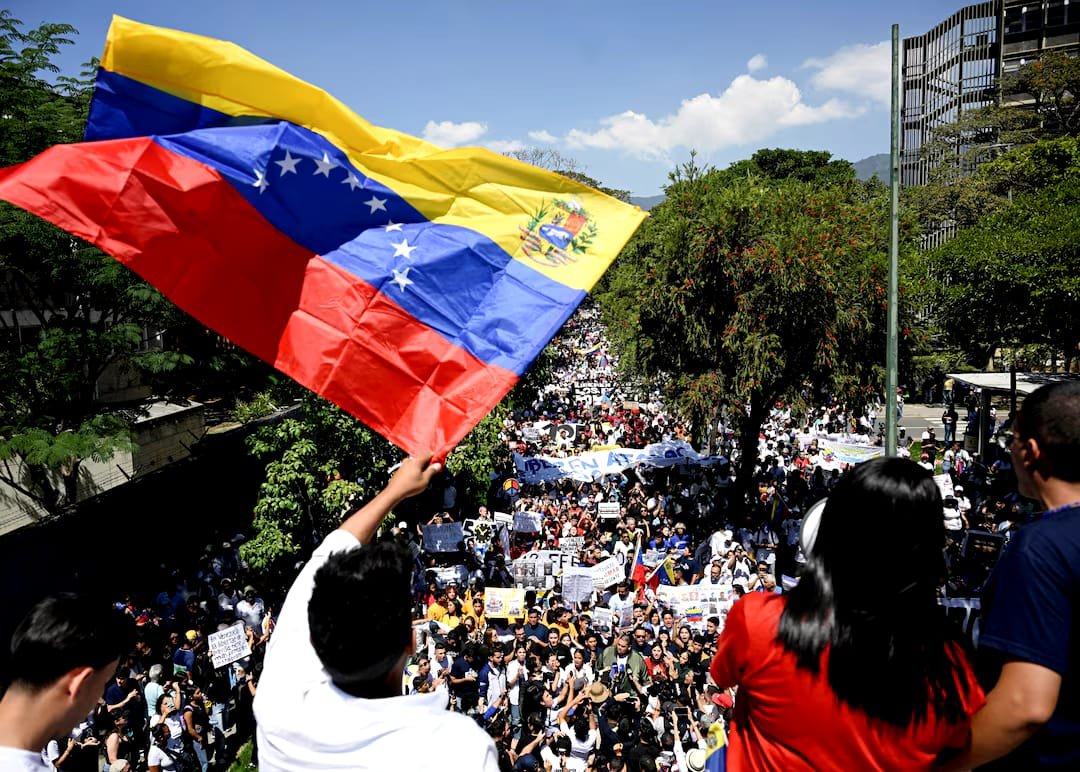
University students across Venezuela have begun returning to the streets in renewed demonstrations, marking a significant shift after years of political repression and fear under the country’s former leadership.


In recent weeks, hundreds of students from the Central University of Venezuela in the capital, Caracas, staged marches that moved beyond university campuses into public streets, an action that had long been considered dangerous due to the risk of arrests, violence, or intimidation by security forces.
The protests reflect a resurgence of youth activism following the dramatic capture of former president Nicolás Maduro in early January, an event that many students say has created a rare opening for public dissent and demands for political reform.
Carrying national flags and chanting slogans for freedom, student demonstrators marched alongside relatives of political detainees, demanding the release of prisoners, institutional reforms, and credible democratic elections. Many protesters also called for improved conditions in the country’s struggling university system, including higher salaries for lecturers and better funding for campuses.
For many young activists, the moment represents a generational awakening. A large number of the protesters are in their early twenties and grew up entirely under the political system known as Chavismo, which began with former president Hugo Chávez in 1999 and continued under Maduro.
Student leaders say the renewed demonstrations show that fear is gradually giving way to hope. While many celebrate the political changes that have occurred in recent months, they remain cautious about the country’s future and stress the need for a democratic transition led by Venezuelans themselves.
Despite the renewed activism, human rights observers warn that Venezuela’s repressive security structures remain largely intact, meaning protesters could still face risks as demonstrations continue.