
General News
Middle East Conflict Risks Triggering New Global Hunger Hotspots, Experts Warn

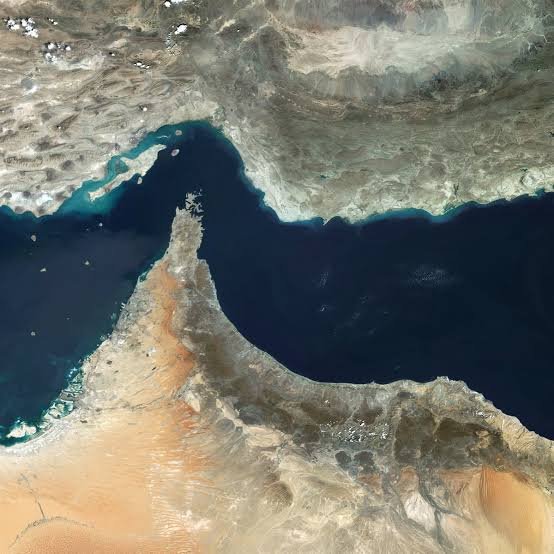
A fresh wave of global hunger crises could emerge as tensions in the Middle East disrupt critical supply routes for food and fertiliser, according to a new warning by the International Crisis Group.
In a statement released on March 30, the organisation said ongoing hostilities around the Strait of Hormuz are already curtailing maritime traffic, threatening the steady flow of fertiliser and agricultural inputs needed for global food production.
Experts caution that the fallout may be most severe in vulnerable regions, particularly in parts of Africa and conflict-affected countries such as Sudan, where food systems are already under strain.
The disruption affects roughly one-third of global fertiliser trade, a critical input for farming. As supplies tighten and prices rise, smallholder farmers especially in low-income countries may be forced to scale back planting, potentially triggering food shortages in the coming months.
“The knock-on effect is clear: less fertiliser means lower crop yields, which in turn leads to reduced food availability and rising prices,” the report noted.
The situation echoes concerns seen during the Black Sea Grain Initiative, when disruptions caused by war in Eastern Europe sent global food prices soaring before a negotiated corridor helped stabilise supply.
In response to the growing crisis, the United Nations has announced plans to establish a task force aimed at maintaining the flow of essential goods through the Strait. The proposed mechanism would prioritise the safe transit of fertiliser, food supplies and humanitarian aid, even as conflict persists.
Analysts warn that without swift intervention, the current disruption could deepen food insecurity across the Global South, where households already spend a significant portion of their income on food.
For countries like Nigeria, which rely on imported agricultural inputs, the implications could be far-reaching ranging from higher food prices to increased pressure on local food production systems.
While diplomatic efforts to end the conflict continue, experts stress that immediate measures to safeguard food supply chains are critical to preventing a full-blown humanitarian crisis.
“The world cannot afford another shock to global food systems,” the report warned, urging coordinated international action to keep vital trade routes open.