
International
Global Tensions Rise, IMF Tells Japan to Stay Course on Interest Rate Hikes

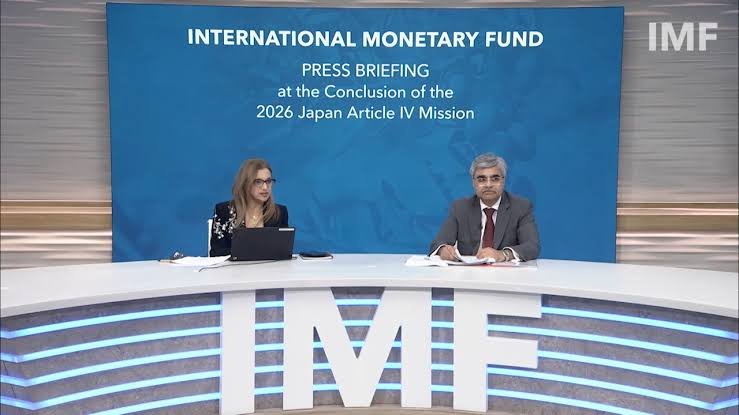
The International Monetary Fund has urged the Bank of Japan (BOJ) to continue raising interest rates despite mounting economic uncertainty triggered by the ongoing Iran war, warning that inflation risks remain a major concern for the Japanese economy.
The IMF’s recommendation comes at a delicate moment, as the conflict in the Middle East has driven up global oil prices, weakened the yen, and increased import costs for energy-dependent economies like Japan.
While acknowledging that the war poses downside risks to growth, the IMF maintained that gradual and data-driven rate hikes are necessary to keep inflation on track toward the BOJ’s 2% target. The Fund also expressed confidence in Japan’s economic resilience, pointing to steady wage growth as a factor that could help sustain consumer spending.
The BOJ has already begun shifting away from its decade-long ultra-loose monetary policy, ending large-scale stimulus in 2024 and raising interest rates to around 0.75%, its highest level in three decades. Markets are now pricing in a strong likelihood of another rate increase in the coming months.
However, the policy path remains complex. The Iran war has intensified inflationary pressures through surging fuel costs, but it has also dampened business confidence and raised fears of slower economic growth. Recent surveys show companies across sectors are feeling the strain of higher energy prices, highlighting the delicate balance policymakers must strike.
Economists warn that the broader global impact of the conflict could be severe, with some analysts comparing the current situation to, or even worse than the oil shocks of the 1970s, raising the spectre of stagflation: a combination of high inflation and weak growth.
Despite these risks, the IMF insists that delaying monetary tightening could leave Japan behind the curve in controlling inflation, especially as companies increasingly pass rising costs onto consumers through higher prices and wages.
Still, not all experts agree. Some former central bank officials caution that the BOJ may be underestimating the economic damage from supply chain disruptions linked to the conflict, arguing that aggressive rate hikes could further weaken an already fragile recovery.
As Japan navigates this uncertain terrain, the BOJ is expected to proceed cautiously, weighing incoming economic data against external shocks from the Middle East, with its next policy moves likely to have significant implications for both domestic stability and global financial markets.