
International
Barney Frank, Influential U.S. Lawmaker and Progressive Icon, Dies

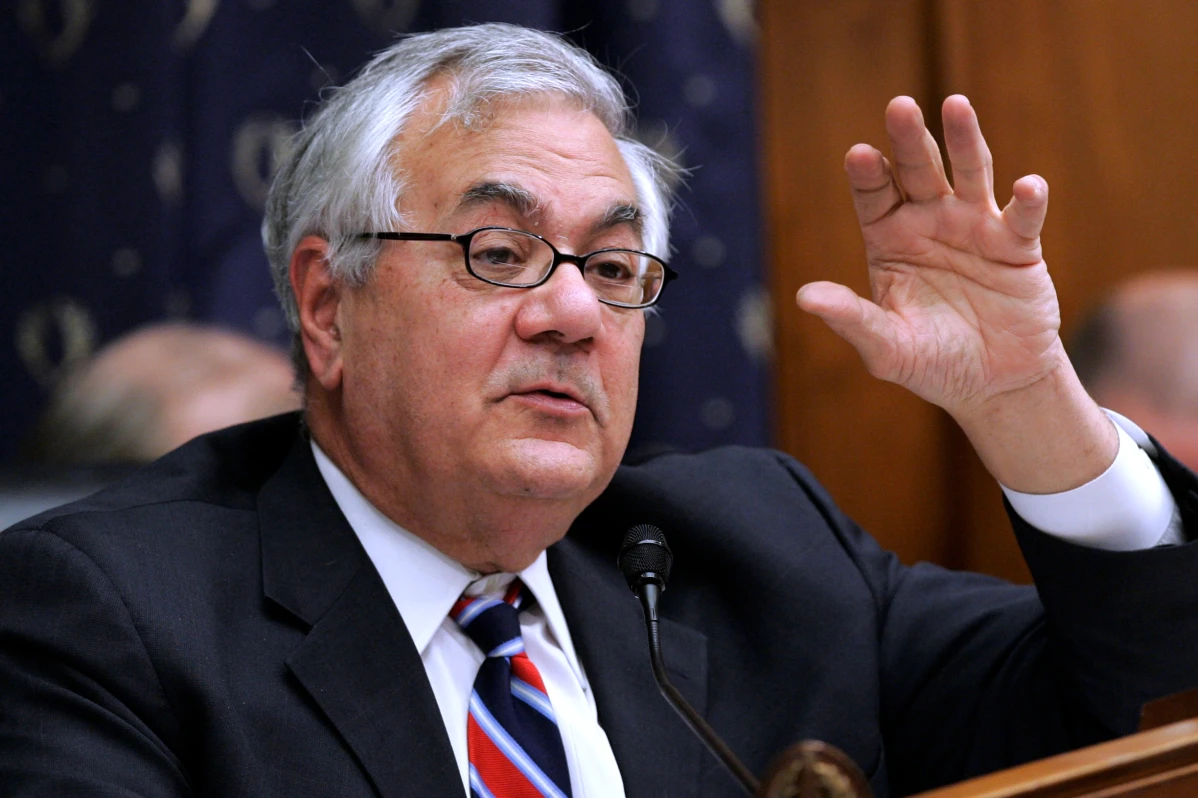
Former U.S. Representative Barney Frank, a longtime Democratic lawmaker from Massachusetts and one of the most influential liberal voices in Congress, has died at the age of 86.
Frank, who served in the U.S. House of Representatives from 1981 to 2013, passed away on Tuesday, May 19, according to family confirmation cited by multiple U.S. media outlets. He died weeks after entering hospice care for congestive heart failure.

A sharp-witted and pragmatic lawmaker, Frank was widely regarded as one of the most powerful progressive voices of his era, especially on financial regulation and civil rights.
Frank is best known as a co-architect of the Dodd-Frank Wall Street Reform and Consumer Protection Act, a landmark law passed after the 2008 global financial crisis aimed at tightening oversight of the banking sector and protecting consumers.

He also served as chairman of the House Financial Services Committee, where he played a key role in shaping U.S. economic policy during and after the financial meltdown.
Beyond economics, Frank made history in 1987 when he became the first sitting member of Congress to voluntarily come out as gay, a groundbreaking moment in American political history.
He later became the first openly gay member of Congress to marry a same-sex partner while in office, further cementing his role as a trailblazer for LGBTQ+ rights.
Over his three-decade career, Frank was known for his blunt political style, intellectual rigor, and willingness to work across party lines. He was also a polarizing figure at times, facing controversy during his early years in Congress but remaining a respected force in legislative debates.
After retiring in 2013, he continued to speak on political and economic issues, maintaining influence in public discourse.
Frank’s death marks the end of a long political career that helped reshape both U.S. financial regulation and LGBTQ+ representation in American politics.