
International
US Indicts Former Cuban President Raúl Castro Over 1996 Plane Shootdown

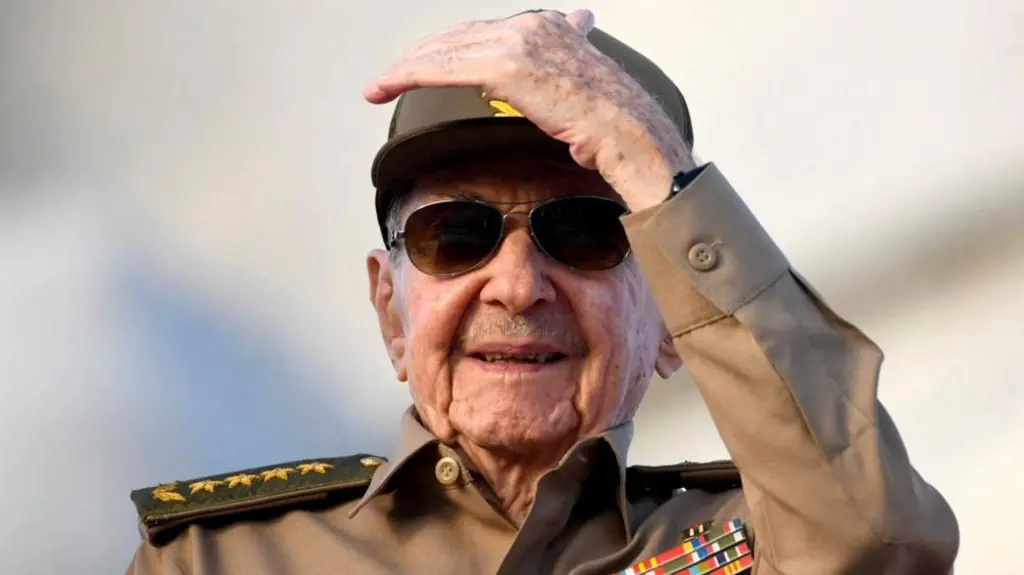
Former Cuban president Raúl Castro has been indicted in the United States over his alleged role in the 1996 downing of two civilian aircraft, an incident that killed four people and sparked international outrage.
According to U.S. legal authorities, the indictment relates to the February 24, 1996, incident in which Cuban military jets shot down two planes operated by the Miami-based group Brothers to the Rescue. The group, known for its anti-Castro activism, had been conducting flights near Cuban airspace when the aircraft were destroyed.
All four individuals on board the planes were killed, including U.S. citizens. The attack drew widespread condemnation and led to heightened tensions between the United States and Cuba during the administration of then-President Bill Clinton.
U.S. prosecutors allege that Raúl Castro, who at the time served as Cuba’s defense minister, played a direct role in authorizing or overseeing the military response that resulted in the shootdown. The indictment reportedly includes charges related to murder and violations of international aviation laws.
The case stems from longstanding efforts by U.S. authorities and victims’ families to seek accountability for the attack, which they have described as an unlawful use of force against unarmed civilian aircraft. Over the years, several Cuban officials have been accused in connection with the incident, but this marks one of the most high-profile legal actions targeting a senior member of Cuba’s former leadership.
Cuban authorities have not officially responded to the indictment at the time of reporting. However, the Cuban government has historically defended the 1996 action, claiming the planes violated its airspace; an assertion disputed by U.S. officials and international observers.
Raúl Castro, the younger brother of late Cuban revolutionary leader Fidel Castro, served as Cuba’s president from 2008 to 2018 and remains a significant figure in the country’s political history.
Legal experts note that while the indictment is symbolically significant, the likelihood of Castro appearing in a U.S. court remains uncertain, given the lack of extradition arrangements between the two countries and ongoing diplomatic complexities.
The development is expected to reignite debate over accountability, international law, and the legacy of Cold War-era conflicts between Washington and Havana.