International
Ruto Slams African Union as “Unfit,” Calls for Urgent Reforms

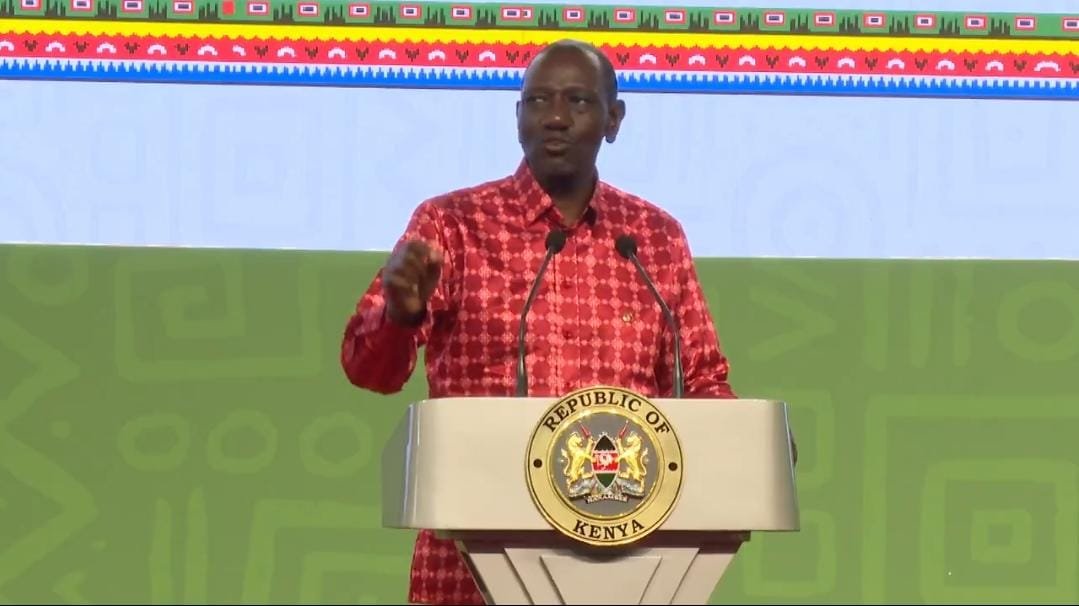
Kenyan President William Ruto has sparked fresh debate over continental governance after declaring that the African Union (AU) is “not fit for purpose” and incapable of steering Africa into the future in its current form.
Speaking during a recent address on regional integration and development, Ruto expressed strong dissatisfaction with the AU’s effectiveness, arguing that the body lacks the leadership capacity required to address Africa’s pressing political and economic challenges.
“I can tell you without an iota of doubt that the African Union, as it is today, is not fit to provide the leadership that this continent needs going into the future,” he said. “Therefore, there’s need for the reforms of the African Union.”
Ruto’s remarks add to growing calls across the continent for a comprehensive overhaul of the AU, which has often been criticized for slow decision-making, limited enforcement powers, and reliance on member states for implementation of its policies.
Analysts say the Kenyan leader’s comments reflect broader frustrations among African governments and policy experts who believe the AU must evolve into a more decisive and independent institution. Key reform proposals frequently include strengthening its financial autonomy, improving conflict resolution mechanisms, and enhancing institutional accountability.
The AU, headquartered in Addis Ababa, has played central roles in peacekeeping missions, election monitoring, and regional cooperation since its establishment in 2002. However, critics argue that it has struggled to respond effectively to ongoing conflicts, unconstitutional changes of government, and economic instability in parts of the continent.
Ruto’s call for reform comes at a time when Africa faces mounting challenges, including security crises in the Sahel and Horn of Africa, rising debt burdens, and the need for stronger intra-African trade frameworks under the African Continental Free Trade Area (AfCFTA).
While AU officials have yet to formally respond to the latest remarks, the comments are likely to reignite discussions among member states about the future direction and structure of the continental body.
Observers note that any meaningful reform would require consensus among AU member states, many of whom have differing political priorities, making the path to transformation both complex and politically sensitive.