General News
12 Years After Abduction, Chibok Survivors Mark Milestone with Hope, Education

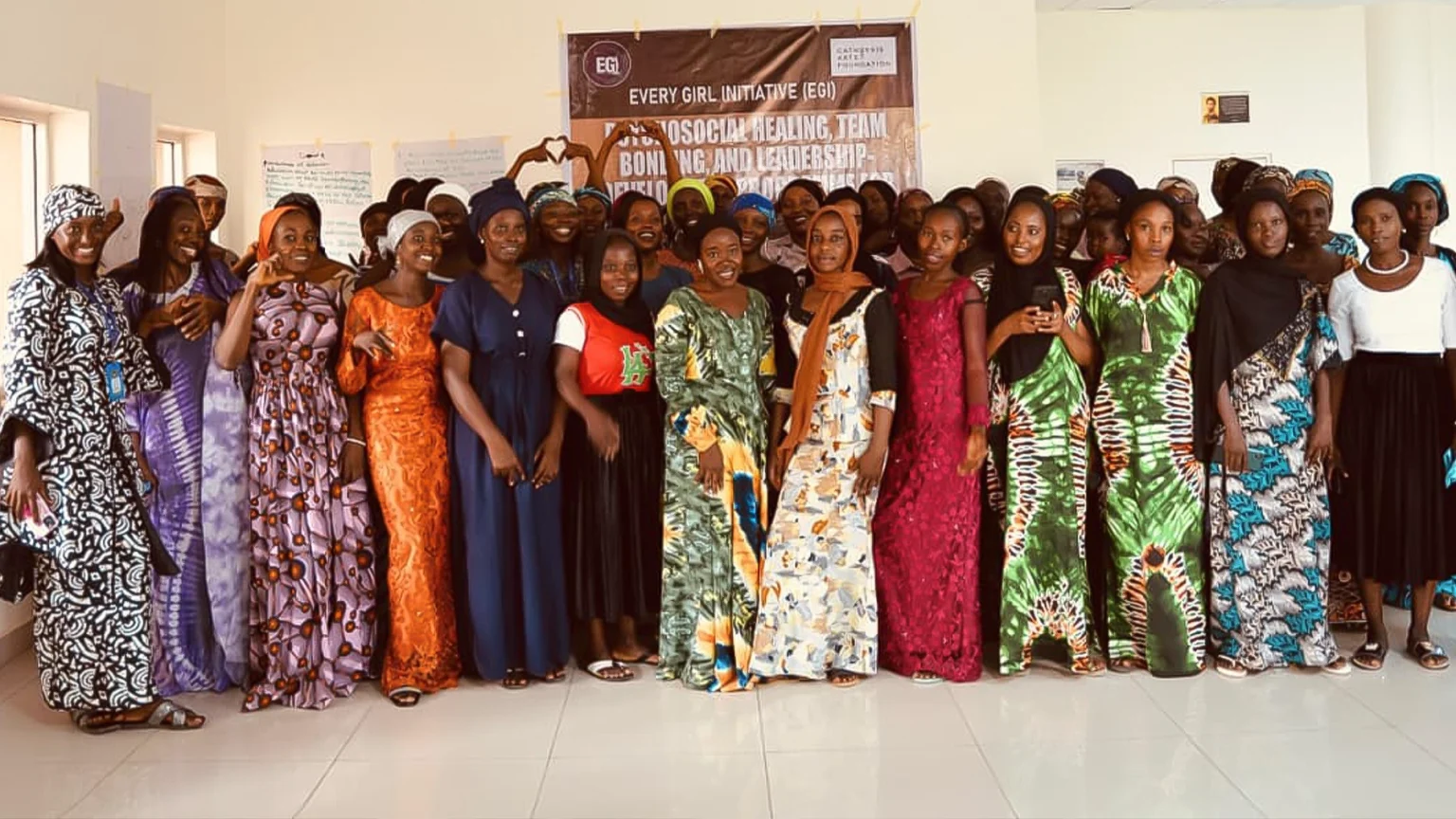
Survivors of the 2014 Chibok schoolgirls abduction have commemorated the 12th anniversary of the трагic incident, celebrating resilience, personal growth, and the transformative power of education.
The young women, now students at the American University of Nigeria (AUN), issued a statement on April 14, 2026, reflecting on their journey from trauma to empowerment while calling for increased global investment in girl-child education.
Abducted by Boko Haram insurgents in Chibok, Borno State, the survivors said they have risen above their painful past, declaring: “We are more than our fears.”
They stressed that education has played a critical role in rebuilding their lives, equipping them with the knowledge, confidence, and skills needed to confront challenges and shape their futures.
“Although the experience was deeply traumatic, we want the world to know that we are more than our fears. We represent hope and resilience for women and girls who have faced similar experiences,” the statement read.
The group highlighted how access to education has amplified their voices and enabled them to become symbols of strength, urging governments and stakeholders to prioritise policies and investments that empower girls.
As part of the commemoration, the survivors also announced a major milestone: 12 of their colleagues are set to graduate this month from AUN, marking a significant achievement years after their ordeal.
They expressed gratitude to the Federal Government, the university, and supporters who have contributed to their recovery and educational journey.
Despite the progress, the survivors remembered those still in captivity and renewed calls for intensified efforts to secure their release.
They urged the international community to see education as a vital tool for building a more inclusive and stable society, insisting that it remains a pathway for healing, empowerment, and long-term development.
“It is never too late for those still in captivity to regain their freedom and rebuild their lives,” the statement added.