International
Outrage as Man Carries Sister’s Skeleton to Bank to Prove Her Death

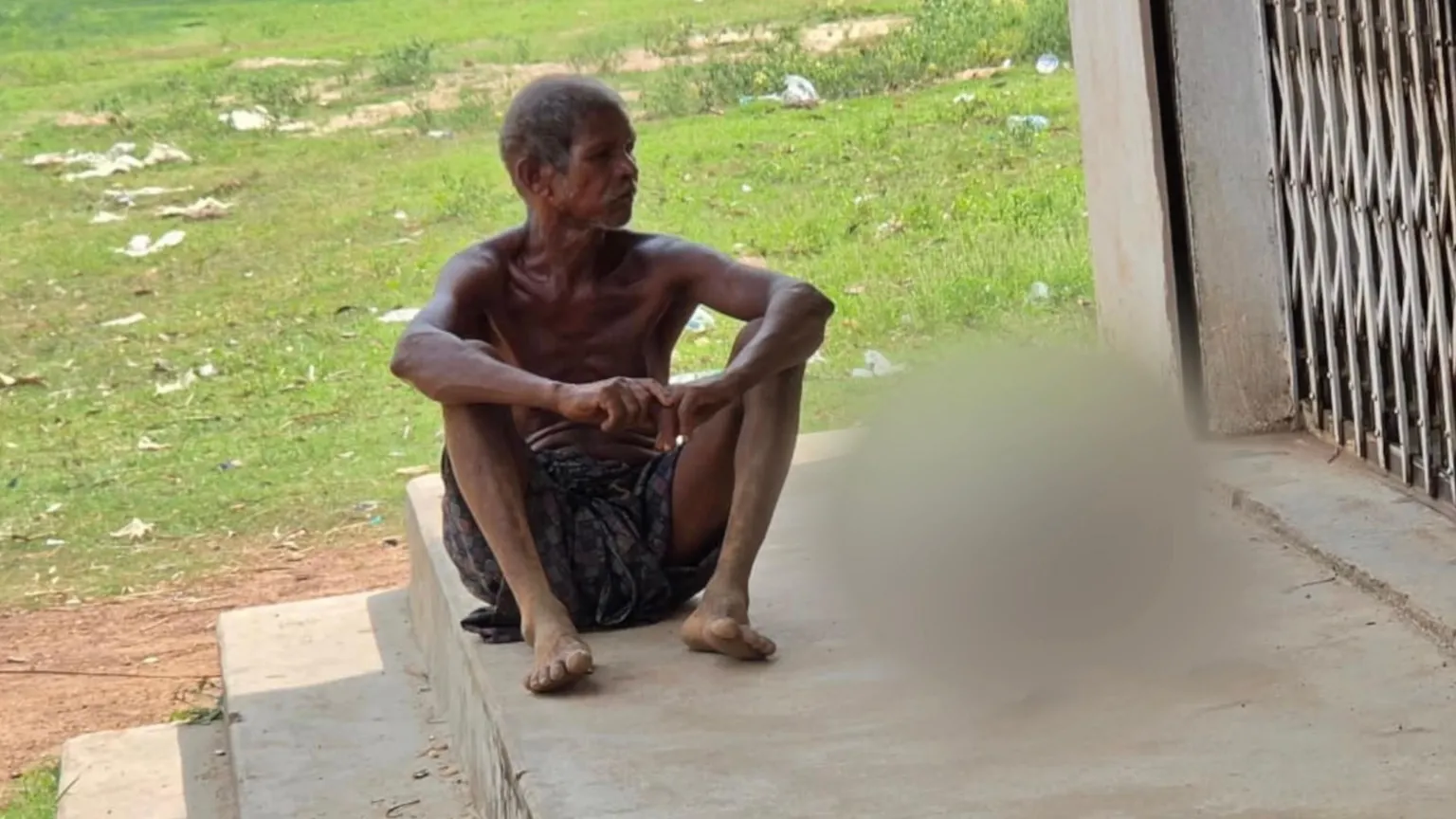
Public outrage has erupted in India after a 52-year-old man, Jitu Munda, carried the skeletal remains of his late sister to a bank in Odisha state to prove she had died after repeated failed attempts to access her savings.


The disturbing incident, which occurred in Keonjhar district on Monday, went viral after a video showed Munda arriving at the bank with a sack containing his sister’s remains and placing it at the entrance of the building.
Munda said he took the drastic step out of frustration after officials repeatedly demanded proof of death before allowing him withdraw money belonging to his late sister, Kalara, who died earlier this year.
Speaking to BBC Hindi, Munda said his 56-year-old sister had worked as a daily wage labourer and returned to her maternal home after losing both her husband and son.
A few months before her death, she reportedly sold her livestock and deposited about 19,300 rupees (about $203) in her bank account.
“When the bank manager refused to listen and kept asking for proof, I got frustrated. I brought the skeleton to show that she had died,” Munda said.
Police confirmed that Munda had exhumed his sister’s remains before taking them to the bank.
However, the bank denied ever asking for the physical presence of the deceased, insisting that it only requested legally required documents such as a death certificate and proof of legal heirship before releasing the funds.
Indian Overseas Bank, which operates the Odisha Grameen Bank branch involved in the case, said reports suggesting staff demanded the deceased woman’s physical appearance were false.
The bank also claimed Munda had first visited in an intoxicated state and became disruptive, adding that he later returned with the remains, creating what it described as a distressing situation.
Branch manager Sushant Kumar Sethi said Munda initially told officials his sister was paralysed and unable to visit the bank, and staff had even offered to visit her at home. He said Munda later informed them that she had died.
The incident has triggered widespread criticism of both local authorities and banking bureaucracy, with many highlighting the challenges rural families face in navigating financial procedures after the death of a relative.
Under Indian banking rules, if an account holder dies without naming a nominee, relatives must provide documents including a death certificate and legal heir verification before funds can be released — a process that can be difficult in remote communities.
Odisha Revenue Minister Suresh Pujari said the matter was under investigation and promised action against the branch manager over alleged misconduct.
Following police and local government intervention, Munda was persuaded to return the remains to the burial ground, while officials assured him that his request would be resolved.
By Wednesday, authorities had issued the required death certificate and legal heir documents, and the bank confirmed that the money had been released to the woman’s family members.
Local officials also provided Munda with financial assistance of 30,000 rupees.