
International
Philippine Families Demand Justice Over Drug War Killings

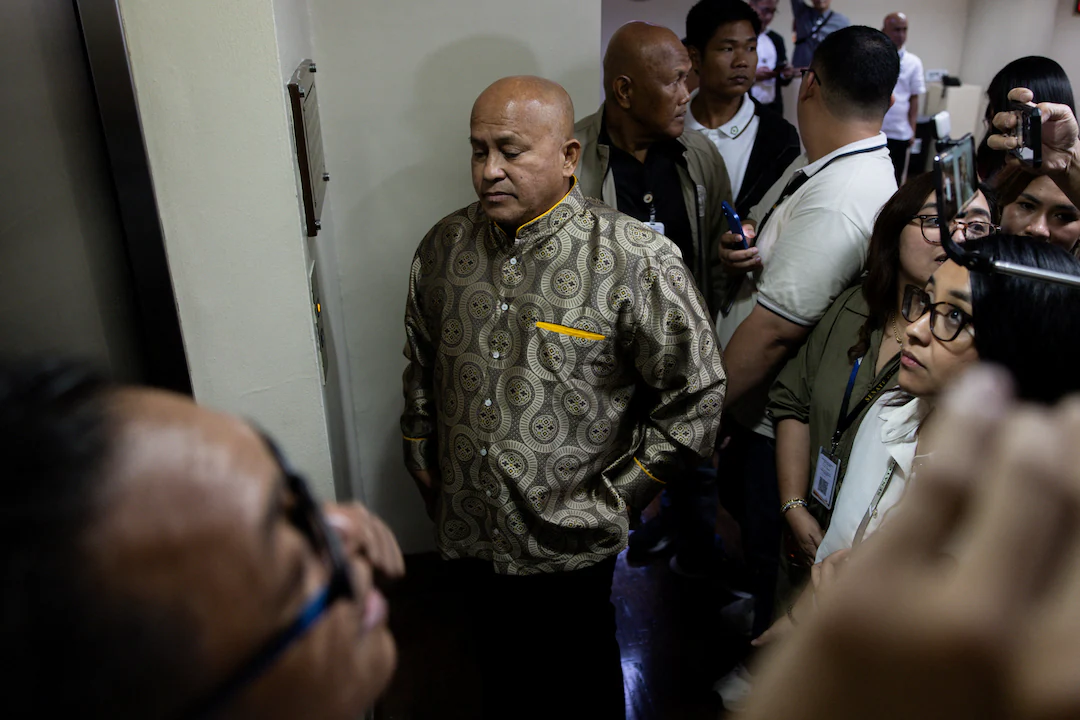
Families of victims of the Philippines’ controversial anti-drug campaign have called for a senior senator to face criminal charges, intensifying demands for accountability over thousands of killings linked to the country’s brutal drug war.
Relatives of those killed gathered outside government offices and courts this week, chanting “We are thirsty for justice” as they urged authorities to prosecute officials allegedly involved in orchestrating or enabling the deadly campaign.
The protests come amid renewed scrutiny of the Philippines’ anti-drug operations, which drew widespread international condemnation during the presidency of Rodrigo Duterte. Human rights groups estimate that thousands of people, many from poor communities, were killed during police operations and vigilante-style attacks.
Families accuse the unnamed senator who held a key security role during the height of the campaign of playing a central part in policies that led to extrajudicial killings. They are calling on prosecutors to file charges and ensure those responsible are held accountable.
The International Criminal Court (ICC) has been examining alleged crimes against humanity linked to the drug war, including systematic killings and abuses carried out over several years.
Lawyers representing victims’ families say they have submitted evidence and testimonies to support potential cases, while urging the Philippine government to cooperate fully with international investigations.
The senator in question has denied any wrongdoing, insisting that anti-drug operations were conducted within the law and were necessary to combat widespread narcotics-related crime.
Philippine authorities have maintained that law enforcement acted in self-defense in many cases, though critics argue that investigations into the killings have been insufficient and lacking transparency.
The renewed push for justice highlights the enduring trauma among affected families and underscores ongoing divisions within the Philippines over how to reckon with the legacy of the drug war.
Human rights advocates say the outcome of the case could be a defining moment for accountability and the rule of law in the country, as victims’ families continue to demand answers and justice years after the killings.