
International
Richard Glossip Freed After Nearly 30 Years on Oklahoma Death Row

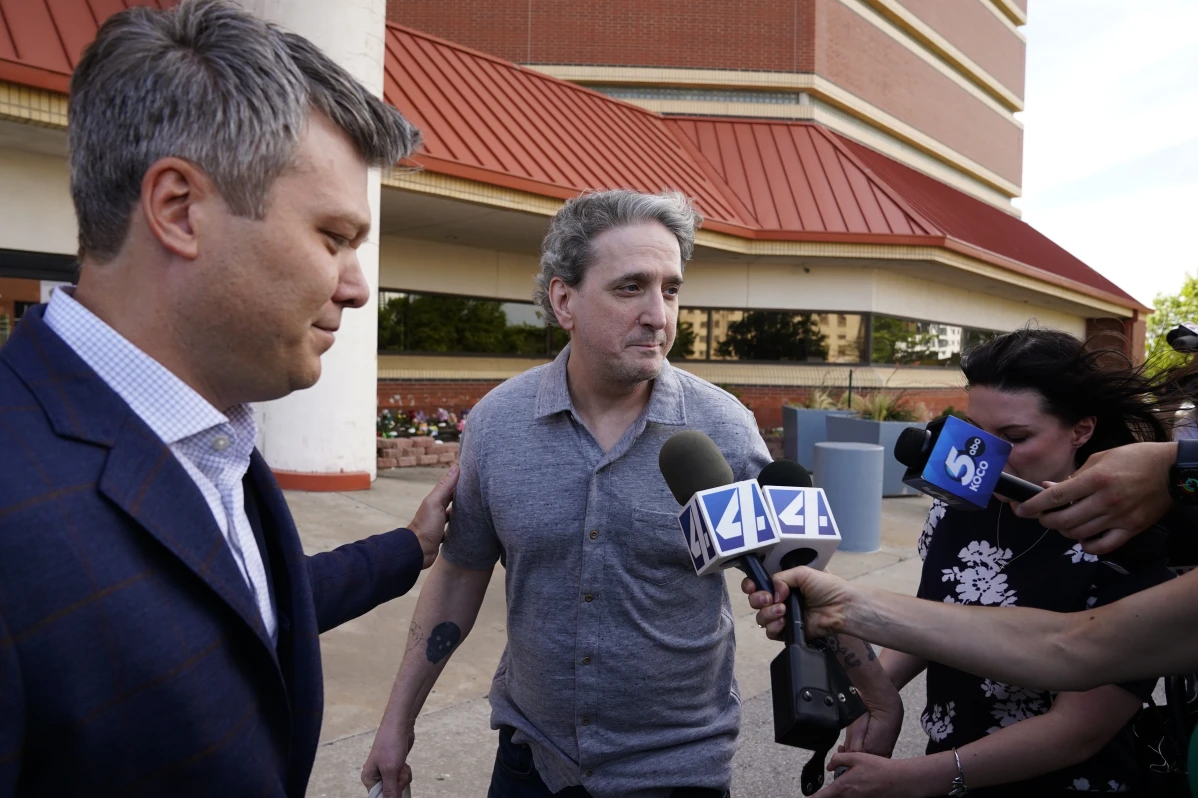
Former Oklahoma death row inmate Richard Glossip has been released from jail for the first time in nearly three decades as he awaits a retrial in the 1997 murder case that once brought him within hours of execution multiple times.
An Oklahoma judge granted Glossip a $500,000 bond on Thursday, allowing the 63-year-old to walk free under strict conditions that include electronic monitoring, travel restrictions, and a ban on contacting witnesses connected to the case. Glossip was seen leaving jail hand-in-hand with his wife after posting bond.
Glossip was originally convicted in connection with the 1997 killing of motel owner Barry Van Treese in Oklahoma City. Prosecutors alleged that Glossip hired motel handyman Justin Sneed to carry out the murder in exchange for $10,000. Sneed later admitted to killing Van Treese but testified that Glossip orchestrated the attack, testimony that became the foundation of the prosecution’s case.
Over the years, Glossip consistently maintained his innocence while facing nine scheduled execution dates. In 2015, he came within hours of execution before Oklahoma halted the process because prison officials had obtained the wrong lethal injection drug, triggering years of legal controversy surrounding the state’s execution procedures.
The case took a dramatic turn after the U.S. Supreme Court overturned Glossip’s conviction and death sentence in 2025, citing prosecutorial misconduct. The court found that prosecutors failed to correct false testimony from Sneed and withheld evidence that could have helped the defense challenge the credibility of the key witness.
Despite supporting a new trial, Oklahoma Attorney General Gentner Drummond has continued to argue that Glossip is guilty and plans to retry the case, though prosecutors have indicated they will no longer seek the death penalty.
Glossip’s release has reignited debate in the United States over wrongful convictions, the reliability of witness testimony secured through plea deals, and the broader use of capital punishment. His case has attracted international attention over the years and inspired documentaries, celebrity advocacy campaigns, and appeals from anti-death penalty groups.