
War
US Says It Struck Iranian Missile Bases in ‘Self-Defense’ Operation


The United States military has confirmed it carried out a series of “self-defense” strikes in southern Iran, including attacks on missile launch sites and vessels allegedly involved in laying mines, in a major escalation of tensions amid ongoing fragile ceasefire arrangements.


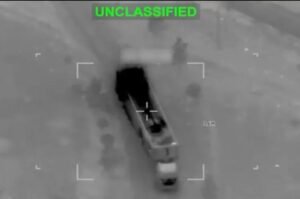
According to U.S. Central Command (CENTCOM), the strikes were conducted to protect American forces in the region following what officials described as perceived threats from Iranian military activity. The operation reportedly targeted strategic sites linked to Iran’s missile infrastructure as well as boats operating near key maritime corridors.
Military officials said the strikes were launched after intelligence indicated Iranian forces were preparing or deploying systems that could threaten U.S. troops and naval assets in the region.
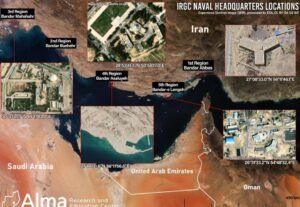
The targets included missile launch facilities in southern Iran and vessels suspected of placing naval mines in waters near the Strait of Hormuz, one of the world’s most critical oil shipping routes.

Explosions were reported in multiple locations, including areas near Bandar Abbas, a strategic port city on Iran’s southern coast. Iranian sources have yet to confirm full details of the damage, though local reports suggested casualties among members of the Islamic Revolutionary Guard Corps (IRGC).
CENTCOM emphasized that the strikes were strictly defensive in nature, stating they were intended to neutralize imminent threats and ensure the safety of deployed U.S. personnel.
A spokesperson reiterated that Washington remains committed to avoiding a broader escalation while continuing to respond to any perceived attacks on American forces in the region.
The strikes come at a sensitive time, as diplomatic efforts continue between Washington and Tehran to stabilize the region and prevent further escalation following months of conflict and disrupted negotiations.

While talks reportedly continue behind the scenes, analysts warn that renewed military activity could undermine fragile ceasefire understandings and complicate ongoing peace proposals.
The Strait of Hormuz, located near the affected region, remains a major global energy chokepoint, with a significant portion of the world’s oil passing through its waters daily. Any escalation involving this corridor raises concerns for global energy markets and shipping security.