
War
Rubio Expresses Hope for Iran Deal but Warns of Consequences if Talks Fail

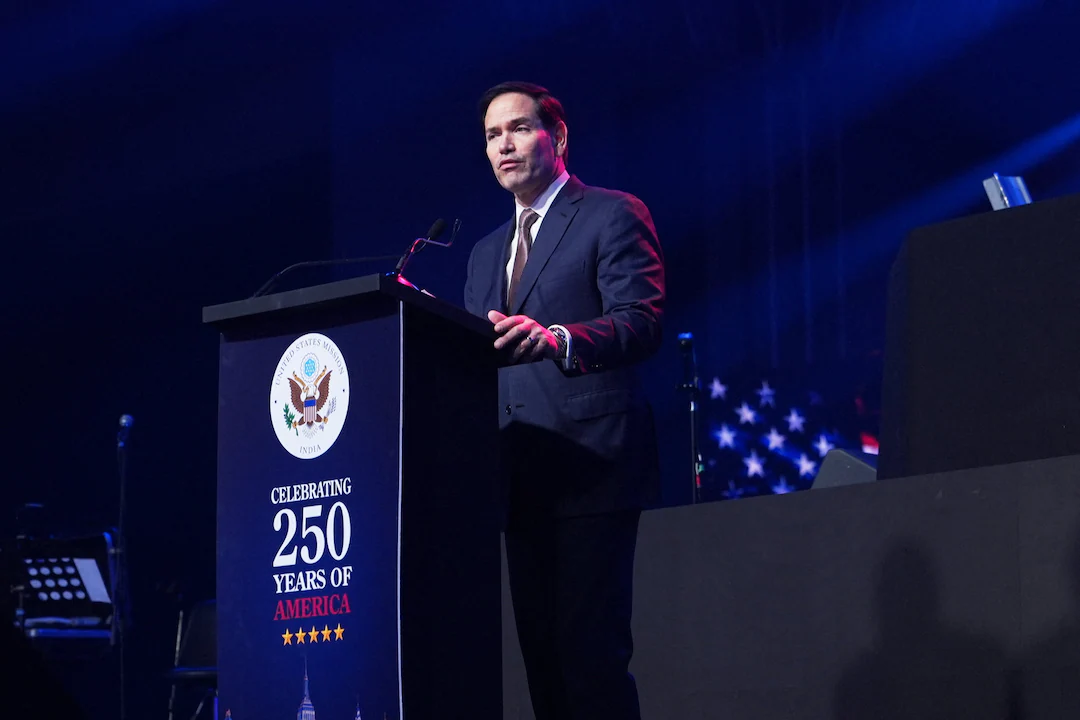
U.S. Secretary of State Marco Rubio has warned that the United States will either secure a “good agreement” with Iran or deal with the situation “another way,” as diplomatic negotiations between Washington and Tehran continue amid heightened global tensions.
Speaking to reporters in New Delhi during an official visit to India, Rubio said the U.S. remains committed to diplomacy but is prepared to consider alternative measures if negotiations collapse. He stressed that Washington would give talks every opportunity to succeed before pursuing other options.

Rubio revealed that discussions currently on the table involve reopening the Strait of Hormuz and launching what he described as “very real, significant, time-limited negotiations” over Iran’s nuclear activities. He expressed cautious optimism that both sides could still reach a workable agreement.
The comments come after U.S. President Donald Trump reportedly urged negotiators not to rush into a deal, insisting that any agreement must strongly protect American interests. While the White House has signaled openness to diplomacy, Washington has maintained pressure on Tehran through sanctions and strategic military positioning in the region.
Iranian officials, however, have pushed back against some U.S. claims surrounding the negotiations. A senior Iranian source told Reuters that Tehran has not agreed to surrender its stockpile of highly enriched uranium, describing reports suggesting otherwise as premature.
The ongoing negotiations have drawn international attention because of their potential impact on global oil supplies, regional stability, and nuclear non-proliferation efforts. Markets have closely monitored developments, especially concerning the Strait of Hormuz, a critical shipping route for global energy exports.
Analysts say Rubio’s remarks reflect Washington’s attempt to balance diplomacy with pressure tactics as both countries remain divided over sanctions relief, nuclear restrictions, and regional security concerns.