
War
Iranian President Rejects Pressure to End Uranium Enrichment

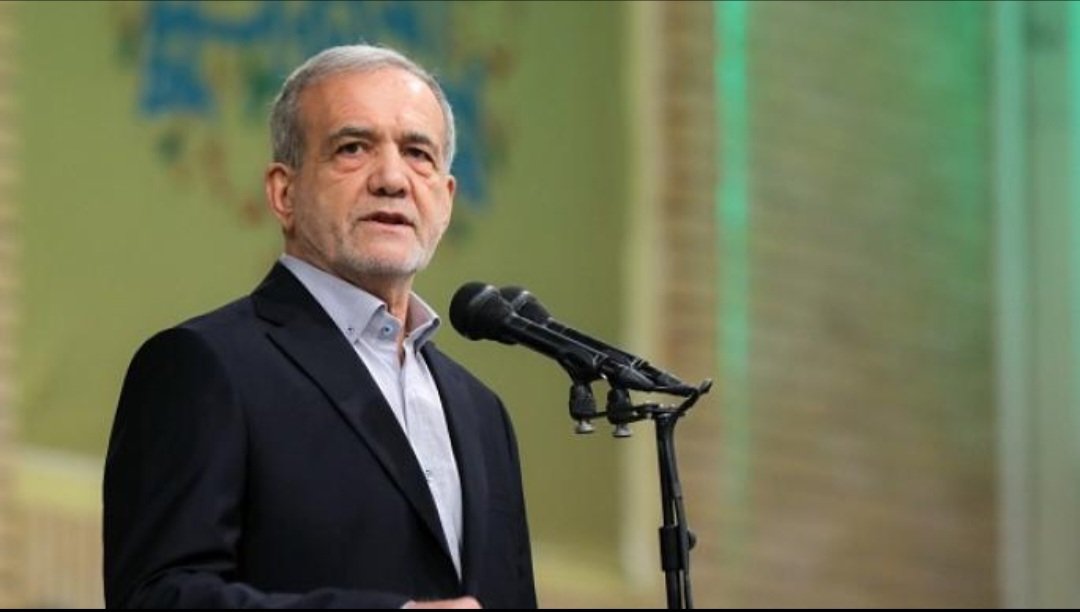
Iranian President Masoud Pezeshkian has reiterated that Tehran will not relinquish what it considers its sovereign right to enrich uranium, declaring that the United States will ultimately have to accept the position as negotiations over Iran’s nuclear program continue.
Speaking during an annual monetary policy conference broadcast on Iranian state media, Pezeshkian said Iran remains prepared to reassure the international community that it is not seeking nuclear weapons but will not abandon uranium enrichment for civilian purposes. His remarks underscore one of the most contentious issues in ongoing discussions between Tehran and Washington.
“Iran will not give up its right to enrichment, and the United States will be forced to accept it,” the Iranian president said, according to state media reports. Iranian officials have consistently argued that uranium enrichment for peaceful purposes is a right guaranteed under the Nuclear Non-Proliferation Treaty.
The comments come as U.S. and Iranian negotiators continue efforts to reach a broader agreement following a preliminary memorandum of understanding aimed at easing tensions and addressing concerns over Iran’s nuclear activities. However, the future of Iran’s enrichment program remains a major obstacle in the talks.
Washington and its allies have long expressed concern that Iran’s enrichment activities could provide a pathway to developing nuclear weapons. Tehran rejects the accusation, insisting that its nuclear program is intended solely for civilian and peaceful purposes, including energy production and scientific research.
Recent reports indicate that Iran has maintained that any final agreement with the United States must preserve its right to enrich uranium and retain certain nuclear materials under international oversight. Iranian state media has described these issues as fundamental principles that cannot be compromised during negotiations.
Pezeshkian’s latest remarks also reflect a broader stance he has adopted throughout negotiations, repeatedly stating that Iran is open to dialogue but will not bow to pressure or what it considers excessive demands from foreign powers.
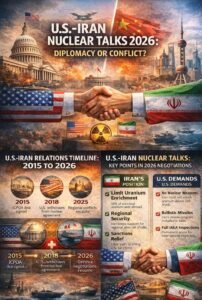
Despite the sharp rhetoric, diplomats involved in the talks have reported progress on several issues, including regional security and sanctions relief. Nevertheless, analysts say the dispute over uranium enrichment remains one of the most difficult challenges to overcome before any comprehensive agreement can be finalized.
The outcome of the negotiations is being closely watched by regional and global powers, as any future deal could have significant implications for Middle East security, international energy markets, and the global nuclear non-proliferation framework.