General News
Senate Moves to Regulate Cryptocurrency, Warns of Growing Fraud Risks and Lost Revenue

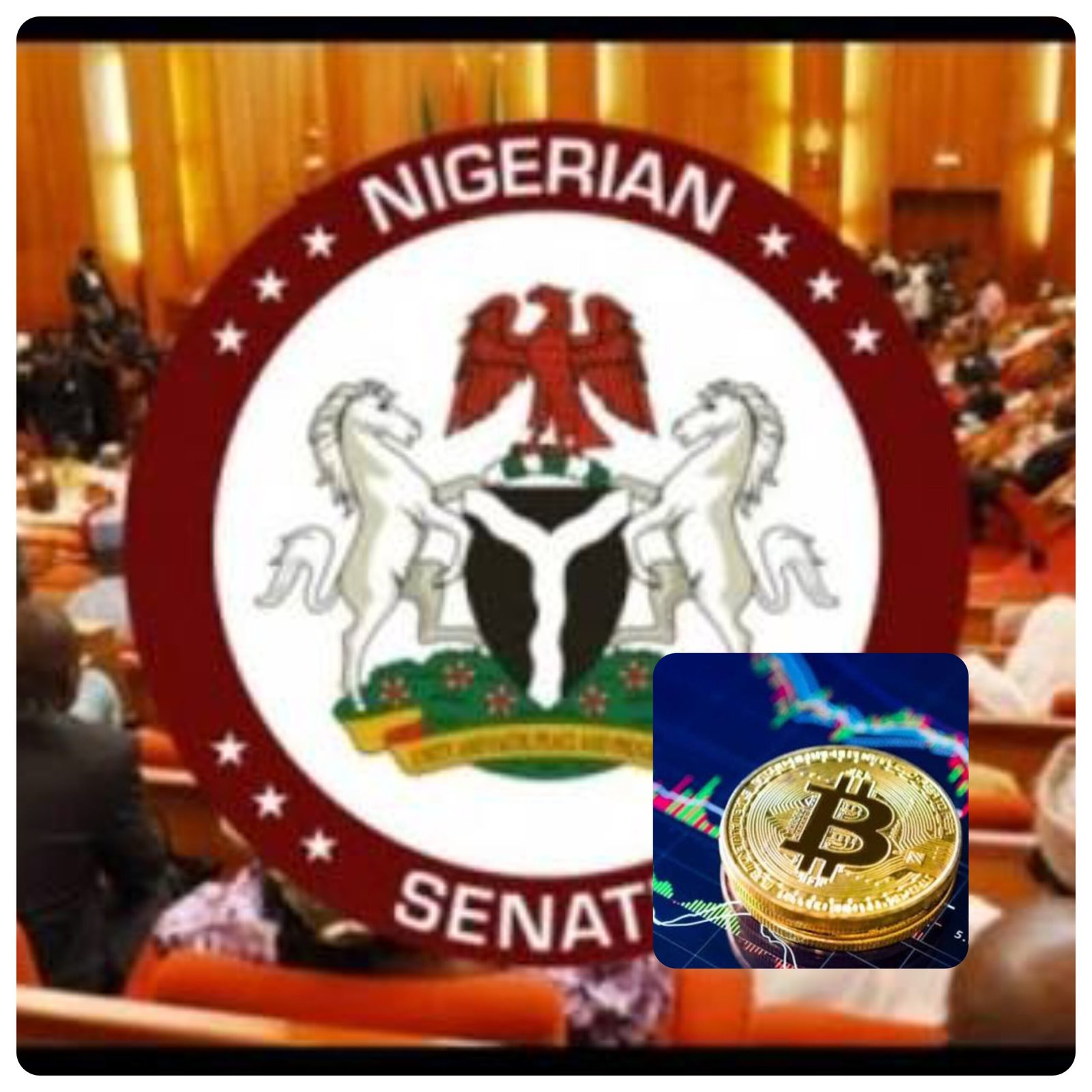
The Senate has advanced efforts to regulate Nigeria’s rapidly expanding cryptocurrency sector, passing the Virtual Asset Service Providers Regulation Bill, 2026, for second reading amid concerns that the absence of a legal framework is exposing investors to fraud and denying the country billions of naira in potential revenue.
The proposed legislation, sponsored by Deputy Senate President, Senator Jibrin Barau, seeks to establish a comprehensive regulatory and supervisory framework for virtual assets, digital assets, and Virtual Asset Service Providers (VASPs) operating in Nigeria.
Leading the debate on Tuesday, Senate Chief Whip, Senator Tahir Monguno, who presented the bill on behalf of Senator Barau, said Nigeria’s position as Africa’s leading cryptocurrency market makes regulation imperative to protect investors and strengthen the digital economy.
According to him, the lack of a clear legal framework has allowed a significant portion of cryptocurrency-related activities to remain outside government oversight, creating opportunities for fraud, money laundering, and other financial crimes.
Lawmakers argued that virtual assets and cryptocurrencies have become an integral part of the global financial system and that Nigeria cannot afford to remain without clear rules governing the sector.
They warned that failure to regulate the industry could drive investments and innovation underground while limiting the sector’s contribution to economic growth.
During the debate, senators identified three major dangers associated with leaving the market unregulated: the emergence of a shadow economy, increased vulnerability to criminal activities, and reduced contributions from the digital economy toward the Federal Government’s economic growth targets.
The bill proposes mandatory licensing requirements for cryptocurrency exchanges and other operators, while introducing transparency, compliance, and consumer protection measures designed to boost investor confidence.
Supporters of the legislation stressed that the objective is not to suppress innovation but to create a stable environment where businesses can operate with certainty and accountability.
Senator Natasha Akpoti-Uduaghan said regulatory gaps are already forcing many Nigerian technology entrepreneurs to establish their operations outside the country.
She cited the experience of her son, who manages an online gaming platform serving approximately 100,000 active players globally.
According to her, critical digital infrastructure and backend services needed to support such businesses are increasingly available in countries like South Africa, while Nigeria continues to lag behind due to inadequate regulation.
“There are billions of dollars flowing into virtual services globally, and young Nigerians are creating jobs and generating income through gaming and other digital platforms. We must provide the regulatory environment that encourages these opportunities to thrive locally,” she said.
Former Edo State Governor and Senator representing Edo North, Senator Adams Oshiomhole, described the bill as necessary and timely, noting that its benefits were clear and widely acknowledged.
Also contributing, Senator Adetokunbo Abiru urged lawmakers to ensure that the proposed legislation aligns with existing financial sector laws, including the Investments and Securities Act and the Banks and Other Financial Institutions Act (BOFIA).
He cautioned against creating overlapping regulations that could generate uncertainty within Nigeria’s financial system.
Responding to the debate, Deputy Senate President Barau said the legislation would provide legal protection for investors and operators while promoting responsible innovation within the virtual assets ecosystem.
He maintained that a well-regulated digital assets market could serve as a catalyst for economic growth, provided adequate safeguards are put in place to prevent abuse and exploitation.
Following its second reading, the bill was referred to the Senate Committee on Capital Market for further legislative scrutiny.
The committee has been given four weeks to conduct detailed consultations and submit its report to the Senate.
If eventually passed and signed into law, Nigeria would join several African countries, including South Africa, Kenya and Ghana, that have established regulatory frameworks for cryptocurrencies and virtual assets.
The proposed law is expected to empower regulators to license operators, strengthen consumer protection, and combat fraud, money laundering, and terrorism financing within the digital assets sector.