
General News
Why Just Five Minutes of Dancing Could Transform Your Brain and Body

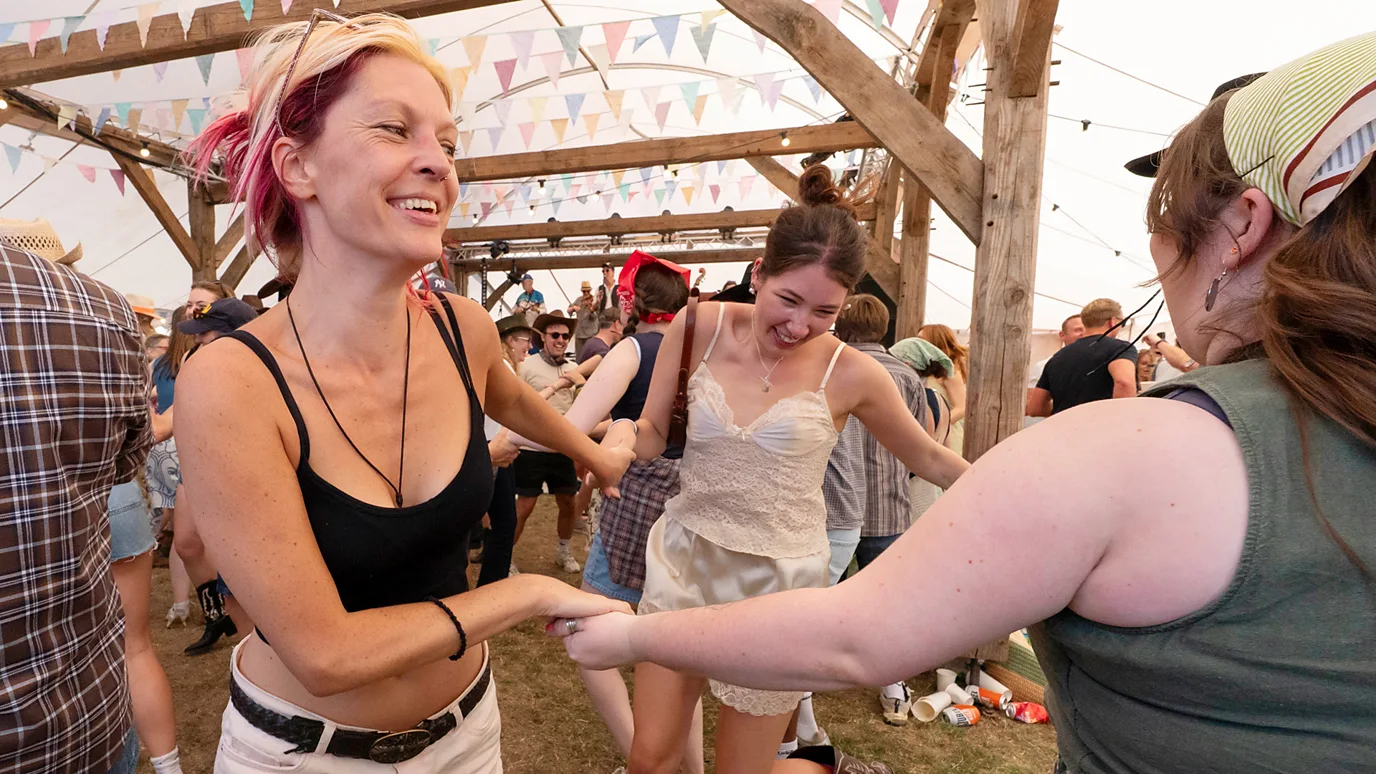
A simple five-minute dance break could be one of the easiest ways to improve both physical and mental wellbeing, according to growing scientific evidence highlighted by the BBC and backed by medical research.
While many people struggle to meet recommended exercise targets because of busy schedules, experts say dancing, even for just a few minutes can lift mood, sharpen concentration, reduce stress and encourage people to stay physically active.
The BBC recently explored how brief dance sessions are increasingly being recognized as an effective “brain break,” offering benefits that go beyond burning calories. Researchers say dancing combines physical movement, music, coordination and emotional expression in a way that stimulates several parts of the brain simultaneously.

Unlike traditional workouts that many people view as a chore, dancing is often perceived as fun. That enjoyment makes people more likely to continue doing it consistently.
Health researchers have found that dance provides cardiovascular exercise while also challenging memory, coordination, balance and reaction time. Because it requires learning and remembering movements, the brain receives an additional workout beyond what occurs during walking or jogging.
Scientists say even a short dance session can increase blood circulation, elevate heart rate and trigger the release of endorphins; the body’s natural “feel-good” chemicals, which help reduce stress and improve mood.

One of the biggest advantages of a quick dance break appears to be improved mental performance.
According to the BBC, short bursts of dancing can refresh the brain after long periods of sitting, helping people return to work with greater focus, alertness and creativity. Instead of reaching for another cup of coffee, a few minutes of movement may provide a natural energy boost.
Researchers also suggest that dancing engages areas of the brain involved in planning, attention and decision-making, making it particularly useful for people who spend long hours at desks.
Mental health specialists have long promoted exercise as a way to combat anxiety and depression, but dancing may offer additional emotional benefits because it combines music, rhythm and self-expression.
Large scientific reviews have concluded that structured dance programmes can improve emotional wellbeing, reduce depressive symptoms, lower anxiety and enhance quality of life. Some evidence also suggests dance may improve motivation, memory and social connection better than some other forms of physical activity.
The message from researchers is that people do not necessarily need lengthy workouts to gain health benefits.

Recent studies indicate that adding as little as five minutes of moderate physical activity each day can contribute to lower risks of premature death, especially among people who are otherwise inactive. Health experts also encourage breaking up long periods of sitting with regular movement throughout the day.
Dance is also one of the most accessible forms of exercise.
People do not need expensive equipment, gym memberships or specialised training. Whether performed at home, in the office or during a lunch break, dancing can be adapted to different ages, fitness levels and physical abilities.
Research comparing dance with other exercise programmes found that dance can produce similar improvements in cardiovascular health, body composition and muscle function, while often being more enjoyable and easier to maintain over time.
Health experts say the goal is not perfection but movement. Putting on a favourite song and dancing for five minutes between meetings, during study breaks or after sitting for long periods can improve energy levels and reduce sedentary behaviour.
As public health guidance increasingly emphasises that “every movement counts,” the humble dance break is emerging as one of the simplest, and perhaps most enjoyable ways to support both physical and mental health.