
Agriculture
Tinubu Says Nigeria Averted Fertiliser Crisis, Saved ₦61.58 Billion Through Strategic Intervention

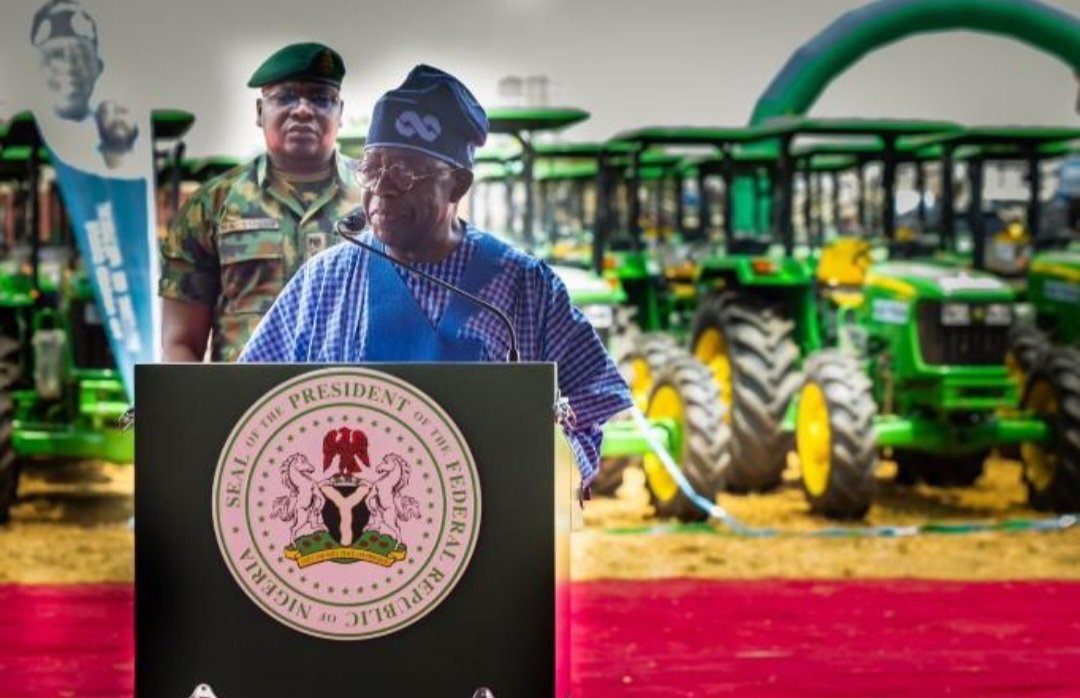
President Bola Ahmed Tinubu has said Nigeria successfully averted a major fertiliser crisis and saved approximately ₦61.58 billion through strategic government intervention aimed at protecting agricultural production and ensuring the availability of farm inputs.


Speaking on the achievements of the administration’s agricultural support initiatives, Tinubu stated that timely policy actions helped prevent disruptions in the fertiliser supply chain at a period when global markets were facing significant volatility.
According to the President, the intervention ensured that farmers across the country had continued access to fertiliser supplies, thereby helping to safeguard food production and support national food security objectives.
Tinubu noted that the measures were implemented amid concerns over rising input costs, supply constraints, and broader economic pressures affecting agricultural producers. He said government agencies worked with stakeholders in the fertiliser industry to stabilize supplies and reduce the financial burden on farmers.
The President explained that the estimated savings of ₦61.58 billion resulted from coordinated efforts designed to prevent sharp price increases and maintain the availability of essential agricultural inputs. He added that the intervention formed part of a broader strategy to strengthen Nigeria’s agricultural value chain and boost local food production.
Agriculture remains a key sector of the Nigerian economy, employing millions of people and contributing significantly to national output. Industry experts have frequently warned that fertiliser shortages can lead to lower crop yields, higher food prices, and increased pressure on household incomes.
Government officials say the administration will continue to pursue policies aimed at improving agricultural productivity, supporting farmers, and reducing dependence on imported food products.
The development comes as authorities intensify efforts to address food inflation and improve food security through investments in farming, irrigation, mechanization, and agricultural inputs.