Agriculture
Report Urges Nigeria to Prioritise High-Impact Agricultural Spending to Boost Revenue, Create Jobs

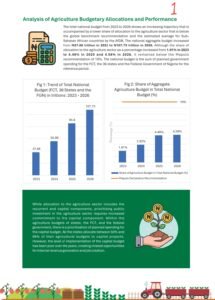
A new assessment of Nigeria’s agricultural sector has called for a strategic shift in public spending, urging governments at all levels to prioritise investments that deliver measurable returns in internally generated revenue (IGR), job creation and food security.


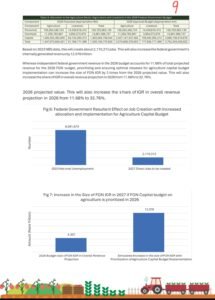
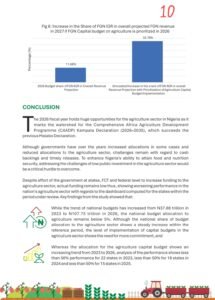
The findings are contained in the 2023–2025 Agriculture Sector Public Expenditure Performance Dashboard and Business Case Political Economy Analysis of Agricultural Budget Return on Investments for Internal Revenue Generation and Job Creation in Nigeria, which evaluates the effectiveness of public expenditure in the agriculture sector and outlines reforms to maximise its economic potential.
According to the report, agricultural budgets should be treated as strategic investments capable of driving economic growth, increasing government revenue and creating sustainable employment opportunities, particularly for youths and women.
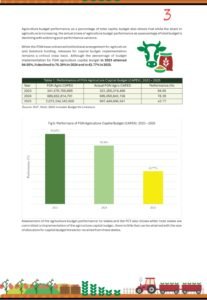
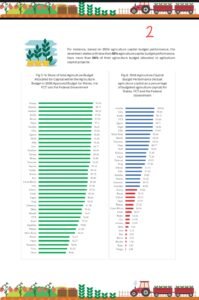
The assessment notes that despite agriculture’s significant contribution to livelihoods and the national economy, inadequate budget implementation, weak accountability mechanisms and inefficient allocation of resources continue to limit the sector’s productivity and overall impact.
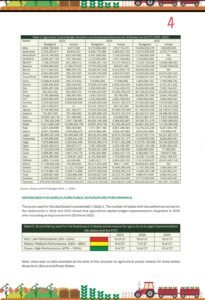
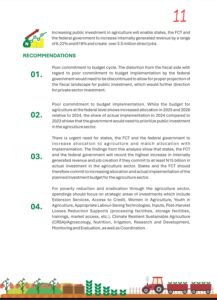
It recommends the adoption of performance-based budgeting and stronger monitoring mechanisms to track how public investments translate into increased agricultural productivity, value addition, employment and higher internally generated revenue.
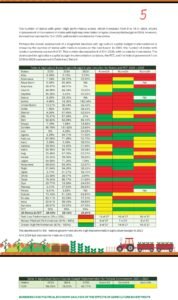
The report also advocates greater transparency in agricultural spending, improved accountability and stronger collaboration among government institutions, the private sector and development partners to ensure that public investments produce tangible socio-economic benefits.
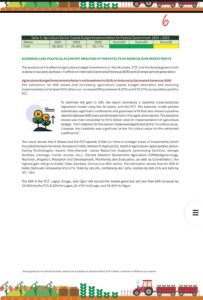
It argues that improving the efficiency of agricultural expenditure is essential to reducing Nigeria’s dependence on oil revenue, strengthening food security and accelerating rural economic development.
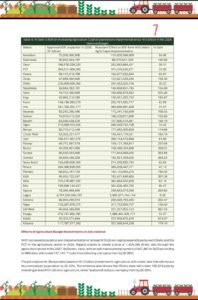
The report further recommends aligning budgetary decisions with measurable performance indicators to enable policymakers identify high-impact investments capable of improving farmers’ productivity, supporting agribusinesses and expanding employment opportunities across agricultural value chains.
It concludes that reforms in agricultural budgeting and public expenditure management will be critical to unlocking the full economic potential of the sector, increasing government revenue and achieving sustainable, inclusive economic growth through agriculture.