
War
Iran Says Strait of Hormuz Will Remain Closed Until Lebanon Ceasefire Holds

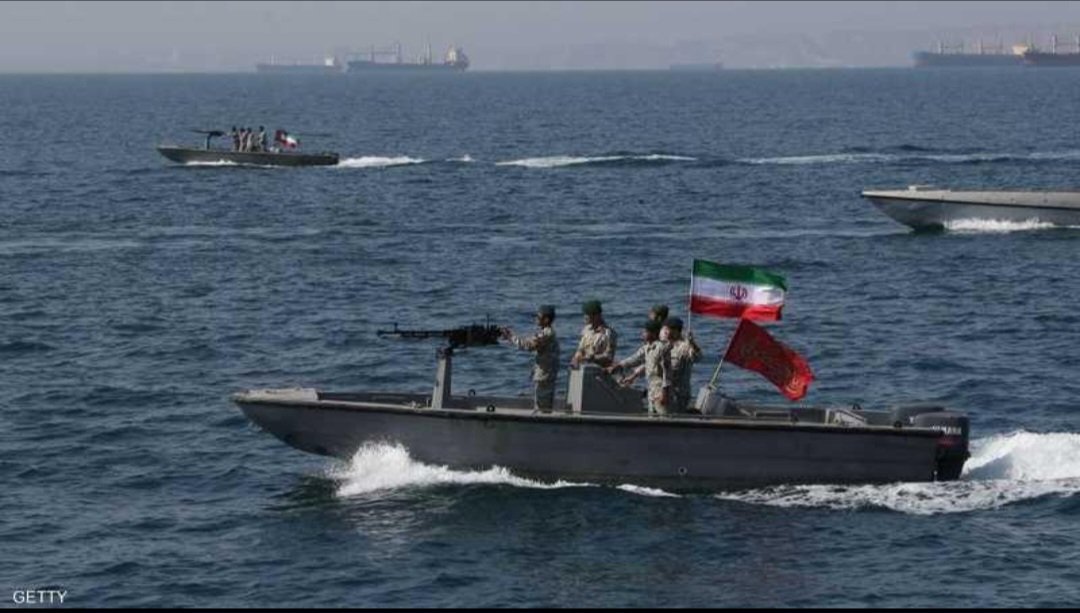
Iran has signaled that the strategic Strait of Hormuz will not be reopened until a ceasefire in Lebanon is fully respected and waivers allowing Iranian oil exports are issued, according to a report by the semi-official Tasnim News Agency.
Tasnim, which cited a source close to Iran’s negotiating team, reported that Tehran has made the reopening of the vital waterway conditional on the preservation of a ceasefire between Israel and the Iran-backed Hezbollah movement in Lebanon, as well as measures allowing Iran to sell its oil.
The Strait of Hormuz is one of the world’s most important energy chokepoints, carrying a significant portion of global crude oil and liquefied natural gas shipments. Any prolonged disruption to traffic through the narrow waterway could have major consequences for international energy markets and global trade.
The latest development comes amid rising tensions following renewed clashes in southern Lebanon. Iran has accused Israel of violating a recently brokered ceasefire, while Israeli officials maintain that military actions were responses to security threats from Hezbollah. The renewed hostilities have placed broader regional peace efforts under strain.
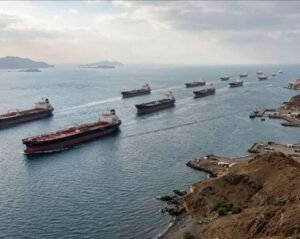
According to reports, Tehran views the situation in Lebanon as directly linked to wider negotiations involving the United States and regional security arrangements. Iranian officials have repeatedly stressed that progress in talks depends on an end to Israeli military operations in Lebanon and Gaza. 7i
The announcement has added uncertainty to a recently signed U.S.-Iran memorandum of understanding that had raised hopes for the restoration of normal shipping through the Strait of Hormuz and a reduction in tensions across the Middle East. Under the framework, Iran was expected to facilitate the reopening of the waterway while discussions continued on sanctions relief and broader security issues.
Despite Iran’s statements, U.S. officials have indicated that commercial shipping activity continues in the area, and analysts remain divided over whether Tehran’s declaration represents a formal closure or a negotiating tactic designed to increase leverage ahead of further talks.
Energy traders are closely monitoring developments, with concerns that any sustained disruption in the Strait of Hormuz could trigger volatility in global oil prices and affect supplies to major economies in Asia, Europe, and beyond.