
War
Israel Launches Strikes in Southern Lebanon as Hezbollah Condemns New Agreement

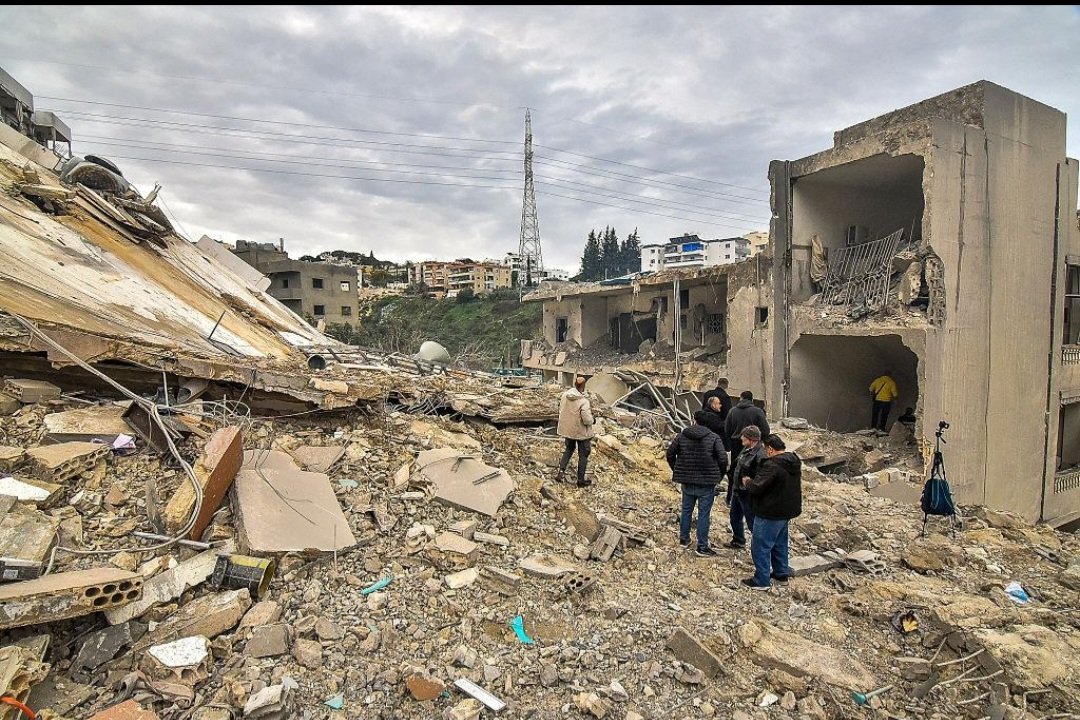
Israel carried out a series of military strikes in southern Lebanon on Saturday, targeting what it described as Hezbollah positions and military infrastructure, while the Lebanese armed group sharply criticized a newly announced regional security agreement, adding to concerns about renewed instability along the Israel-Lebanon border.
According to the Israeli military, the strikes were aimed at facilities allegedly used by Hezbollah for weapons storage, surveillance operations, and militant activities near the frontier. Israeli defense officials stated that the operation was conducted in response to intelligence indicating continued militant activity despite ongoing diplomatic efforts to reduce tensions in the region.
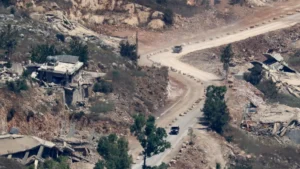
Residents in several communities across southern Lebanon reported hearing explosions and aircraft overhead as the strikes hit areas near the border. Local authorities said damage assessments were underway, while emergency crews were dispatched to affected locations. Initial reports indicated that several structures were damaged, though casualty figures were not immediately clear.
The military action came shortly after Hezbollah publicly condemned a new regional security arrangement supported by Western and Gulf states. The group described the agreement as an attempt to reshape the regional balance of power and accused its backers of seeking to weaken resistance movements operating in Lebanon and elsewhere in the Middle East.
In a statement released through its media channels, Hezbollah argued that the agreement would not bring stability to the region and warned against efforts to sideline groups it considers central to confronting Israeli influence. The organization also reiterated its commitment to maintaining what it calls its defensive capabilities.
Israeli officials rejected Hezbollah’s criticism and maintained that the group’s military activities continue to pose a threat to Israeli communities near the border. The Israeli government has repeatedly accused Hezbollah of expanding its arsenal and strengthening positions in southern Lebanon despite international efforts aimed at reducing tensions.
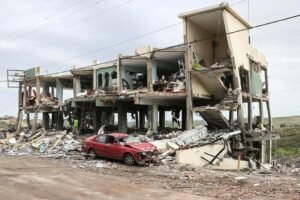
The latest developments occur against the backdrop of months of intermittent clashes between Israeli forces and Hezbollah fighters. While large-scale conflict has largely been avoided, sporadic exchanges of fire, drone incidents, and cross-border operations have kept the frontier tense and unpredictable.
Regional analysts say the new security agreement has become a focal point of broader geopolitical competition involving Iran, Israel, Gulf states, and Western powers. Hezbollah, which receives support from Iran, has been among the most vocal critics of initiatives it believes could diminish Tehran’s influence in the region.
Lebanese government officials have called for restraint from all parties and urged the international community to prevent further escalation. Beirut continues to face significant economic and political challenges, and many observers fear that renewed conflict along the southern border could worsen an already fragile situation.
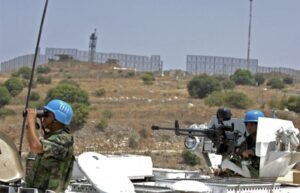
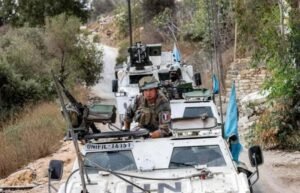
The United Nations Interim Force in Lebanon (UNIFIL), which monitors the border area, said it was closely following developments and reiterated calls for all sides to avoid actions that could increase tensions. Peacekeeping officials emphasized the importance of maintaining stability and respecting existing agreements designed to prevent conflict.
International reactions were swift, with several governments expressing concern over the strikes and the potential for further escalation. Diplomats warned that continued military actions and hostile rhetoric could undermine ongoing efforts to promote regional stability at a time when the Middle East is already facing multiple security challenges.
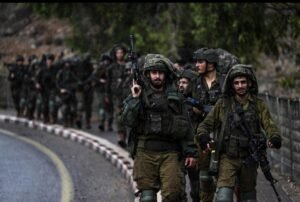
Security experts note that while neither Israel nor Hezbollah appears eager to enter a full-scale war, the risk of miscalculation remains significant. Even limited military incidents have the potential to trigger wider confrontations, particularly amid heightened tensions across the region.
As residents on both sides of the border brace for possible further developments, the situation remains fluid. Observers say the coming days will be critical in determining whether diplomatic channels can contain the latest crisis or whether tensions will continue to rise.