
International
US Supreme Court Expands Trump’s Power to Fire Independent Agency Officials but Lets Lisa Cook Remain at Fed

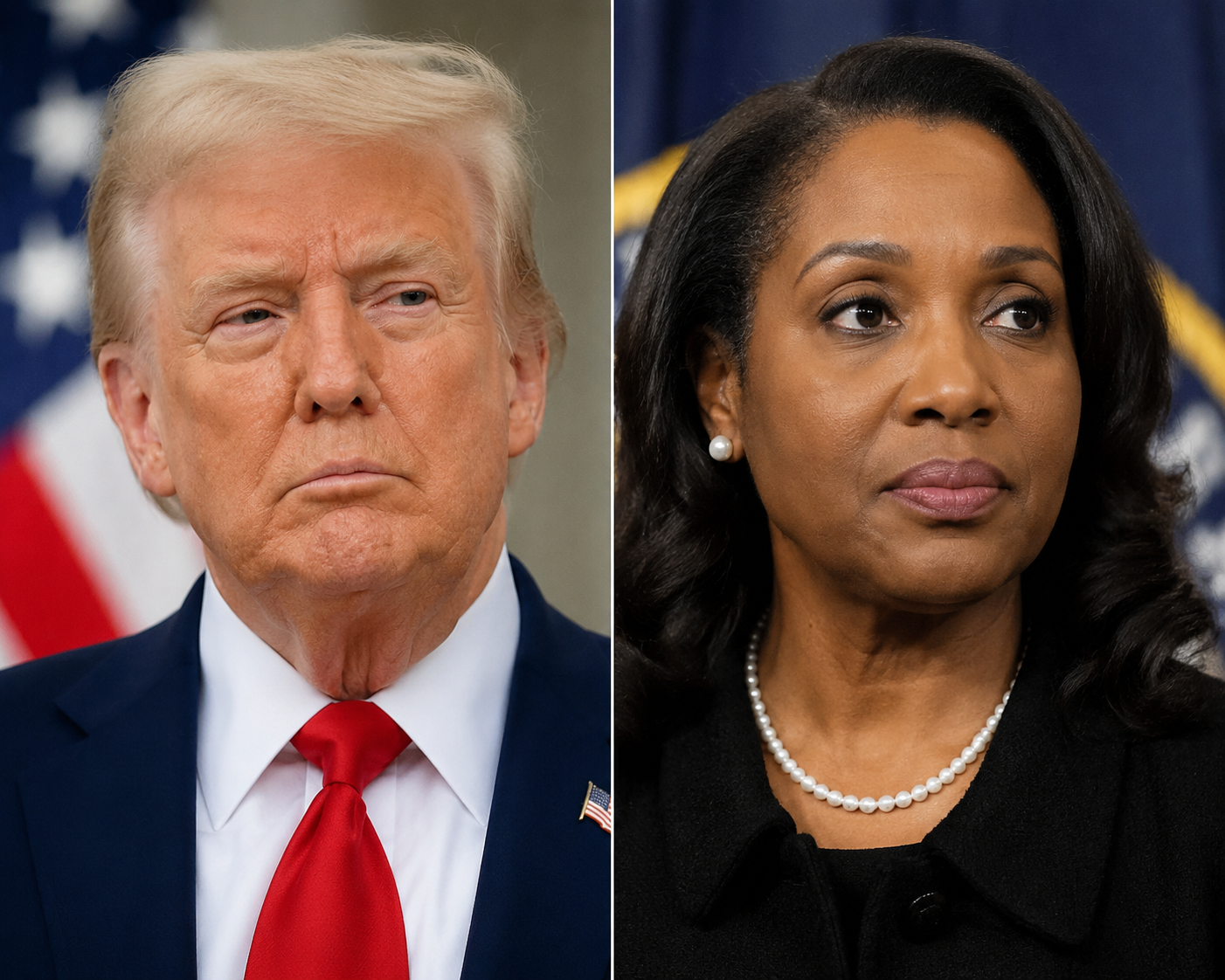
The Supreme Court of the United States has delivered one of its most consequential rulings on presidential authority in decades, expanding President Donald Trump’s power to remove leaders of most independent federal agencies while, in a significant exception, allowing Lisa Cook to remain on the Federal Reserve Board of Governors as her legal challenge continues.
The split decisions mark a major victory for the White House’s long-running effort to strengthen presidential control over the executive branch, but they also reaffirm the special constitutional status of the Federal Reserve, whose political independence has long been viewed as critical to maintaining confidence in the U.S. economy.
In its ruling concerning independent agencies, the Supreme Court held that the president has broad authority to dismiss officials serving on agencies such as the Federal Trade Commission and the National Labor Relations Board. The decision weakens legal protections that had limited presidential removal powers for decades and is expected to reshape the relationship between the White House and independent regulators.
However, the justices drew a clear distinction when considering Trump’s attempt to remove Cook from the Federal Reserve. In a narrow 5-4 ruling, the Court rejected the administration’s request to immediately oust her, allowing her to remain in office while the underlying lawsuit proceeds through the courts.
Chief Justice John Roberts, writing for the majority, emphasized that members of the Federal Reserve Board enjoy statutory “for cause” protections and that abruptly removing a governor without following legal procedures could undermine the central bank’s independence. The Court stressed that monetary policy occupies a unique place in the American constitutional system and should remain insulated from day-to-day political pressure.
Trump had sought Cook’s removal after accusing her of mortgage fraud; allegations she has strongly denied. Cook argues the dismissal attempt was politically motivated and intended to give the administration greater influence over interest-rate decisions and Federal Reserve policy. Lower federal courts had previously ruled in her favor before the dispute reached the Supreme Court.

Legal analysts say the twin rulings establish two important principles. First, presidents now possess significantly broader authority to remove officials leading many independent regulatory agencies. Second, the Federal Reserve remains a constitutional exception because of its unique role in managing monetary policy and safeguarding financial stability.
The decision is expected to have wide-ranging consequences across Washington. Independent agencies responsible for regulating labour, consumer protection, financial markets and other sectors could now become more directly accountable to future presidents, potentially allowing administrations to reshape federal policy more rapidly. At the same time, the Court’s decision to preserve Cook’s position reassures financial markets that the Federal Reserve’s independence remains intact, at least while litigation continues.

Following the ruling, Trump welcomed the expansion of presidential authority over most independent agencies but expressed disappointment that Cook was allowed to remain at the Federal Reserve, indicating his administration would continue pursuing legal options. Cook, meanwhile, described the decision as an important affirmation of the Federal Reserve’s independence and pledged to continue serving while the courts resolve the broader case.
The lawsuit now returns to the lower courts, where judges will decide the merits of Trump’s attempt to remove Cook. Whatever the eventual outcome, legal scholars believe the Supreme Court’s decisions will become defining precedents on executive power and the constitutional independence of federal agencies for years to come.