
International
Heat Wave Threatens Independence Day Festivities Across America’s Northeast

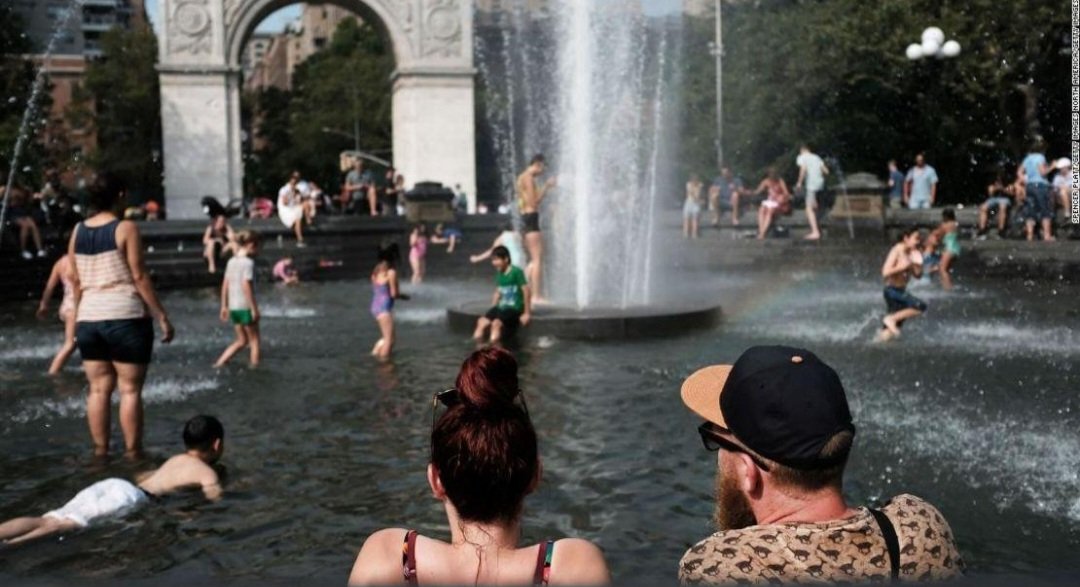
Millions of Americans across the northeastern United States are preparing for an unusually intense spell of summer heat that is expected to coincide with Fourth of July celebrations, raising concerns about public health, outdoor safety and disruptions to holiday festivities.
Meteorologists say a powerful dome of high pressure moving across the eastern half of the country is pushing temperatures well above seasonal averages. Cities from Washington, D.C., and Philadelphia to New York City and Boston are forecast to experience temperatures climbing into the upper 90s Fahrenheit (mid-30s Celsius), while heat index values; factoring in humidity could exceed 100°F (38°C) in several locations.
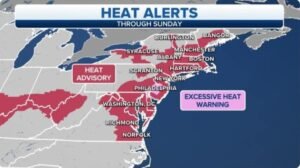
The National Weather Service has issued heat advisories and excessive heat warnings for parts of the region, warning residents that prolonged exposure to high temperatures could increase the risk of heat exhaustion, heat stroke and other heat-related illnesses. Health officials have urged people planning to attend outdoor parades, concerts, sporting events and fireworks displays to remain hydrated, seek shade whenever possible and limit strenuous activity during the hottest parts of the day.

The heat wave arrives as communities across the Northeast prepare for one of the busiest travel and recreation periods of the year. Airports, highways, beaches and public parks are expected to see heavy traffic as families gather for Independence Day celebrations. Emergency management agencies have warned that the combination of large crowds and extreme heat could place additional strain on medical services and public infrastructure.

Several cities have announced plans to extend the operating hours of public cooling centers, libraries and community facilities to provide relief for vulnerable residents. Local authorities are particularly concerned about elderly people, young children, outdoor workers and individuals with underlying health conditions, who face a greater risk of heat-related complications.

Energy providers are also monitoring electricity demand closely as households and businesses rely heavily on air conditioning. Utility companies have encouraged consumers to conserve energy during peak periods to reduce pressure on power grids. While no widespread outages have been forecast, officials say prolonged high temperatures can increase the likelihood of localized power disruptions.

Forecasters note that the Northeast has experienced a series of increasingly intense heat events in recent years, a trend many climate scientists link to broader patterns of global warming. According to climate experts, rising average temperatures are making extreme heat waves more frequent, longer-lasting and more severe across much of the United States.

Despite the challenging conditions, organizers of major Fourth of July events across the region say celebrations are expected to proceed as planned. However, many have introduced additional safety measures, including extra water stations, medical tents and public announcements reminding attendees to protect themselves from the heat.

Public health officials continue to stress that heat is among the deadliest weather-related hazards in the United States. They are urging residents and visitors alike to take precautions throughout the holiday period, emphasizing that a successful Independence Day celebration should include awareness of the dangers posed by extreme temperatures.
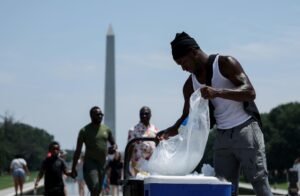
With forecasts indicating that the heat could persist through much of the holiday weekend, authorities are closely monitoring conditions and encouraging the public to remain informed through official weather updates and emergency alerts.