
International
Nearly a Decade After Hurricane Maria, Puerto Rico Awaits Billions in Unspent Aid

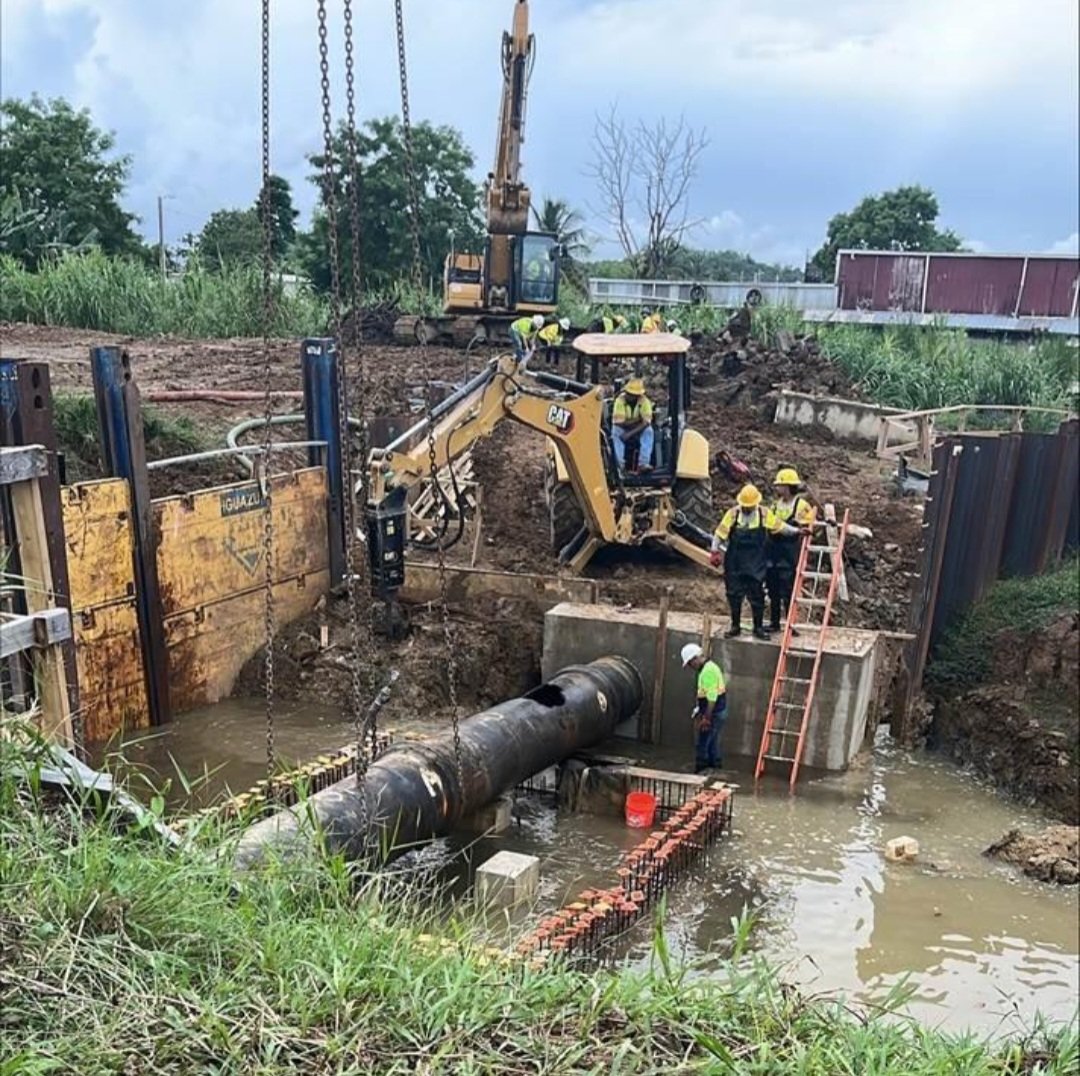
A new federal audit has found that Puerto Rico is still waiting for billions of dollars in disaster recovery funding nearly nine years after the devastating impact of Hurricane Maria, raising fresh concerns about delays that continue to affect reconstruction efforts across the U.S. territory.
The report, released by the U.S. Government Accountability Office (GAO), concluded that although Congress approved tens of billions of dollars for Puerto Rico following the catastrophic 2017 hurricane season, a substantial portion of the money has yet to be spent or delivered to projects intended to rebuild damaged infrastructure, housing and public services.
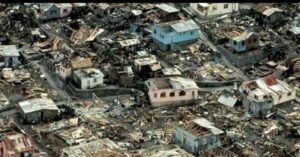
Hurricane Maria struck Puerto Rico in September 2017 as a powerful Category 4 storm, destroying homes, crippling the electrical grid, damaging roads and bridges, and triggering one of the worst humanitarian crises in the island’s modern history. The storm caused thousands of deaths, either directly or indirectly, and left many communities without electricity, clean water and reliable communications for months.
According to the federal audit, Puerto Rico has been awarded more than $90 billion in federal recovery assistance through various agencies, including the U.S. Department of Housing and Urban Development (HUD) and the Federal Emergency Management Agency (FEMA). However, billions of dollars remain tied up in administrative reviews, project approvals, environmental assessments and other bureaucratic processes that have slowed reconstruction efforts.
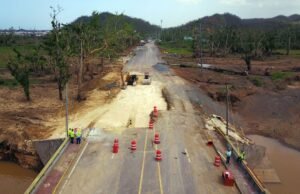
Auditors found that while some major rebuilding projects have moved forward, many others remain in planning stages years after funding was approved. Critical infrastructure projects involving schools, hospitals, water systems and the electrical grid have experienced repeated delays, leaving residents vulnerable to future natural disasters.
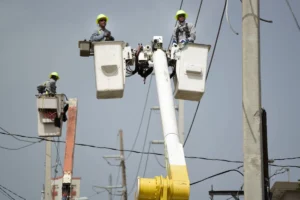
Federal officials cited a number of factors contributing to the slow pace of spending, including the unprecedented scale of the disaster, complex federal regulations, staffing shortages and challenges coordinating among local, territorial and federal agencies. Oversight requirements designed to prevent fraud and misuse of funds have also lengthened approval timelines.
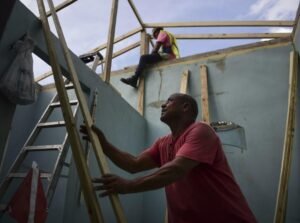
Puerto Rican officials have repeatedly argued that excessive federal bureaucracy has hindered the territory’s recovery. Local leaders say residents continue to face the consequences of delayed reconstruction, particularly in rural communities where infrastructure repairs remain incomplete years after the hurricane.
The audit noted that progress has accelerated in recent years, with billions of dollars now flowing into construction projects and resilience initiatives. Nevertheless, watchdogs warned that significant work remains unfinished and that continued delays could undermine efforts to strengthen Puerto Rico against future hurricanes and climate-related disasters.
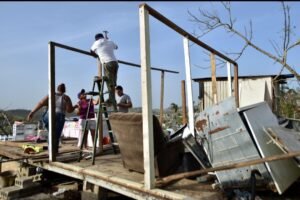
The findings come as Puerto Rico enters another Atlantic hurricane season, renewing concerns about the territory’s preparedness for severe weather events. Experts have warned that many critical systems remain vulnerable despite years of recovery work and substantial federal commitments.
Members of Congress from both major parties have called for faster implementation of approved recovery programs, arguing that residents should not still be waiting for promised assistance nearly a decade after one of the deadliest natural disasters in U.S. history.
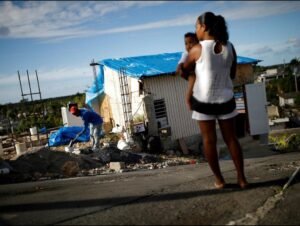
The GAO report is expected to increase pressure on federal agencies to streamline funding procedures and accelerate reconstruction projects as Puerto Rico continues its long and costly recovery from Hurricane Maria.