
International
589 Killed, Almost 3,000 Injured in Venezuela’s Worst Earthquake Disaster in Decades

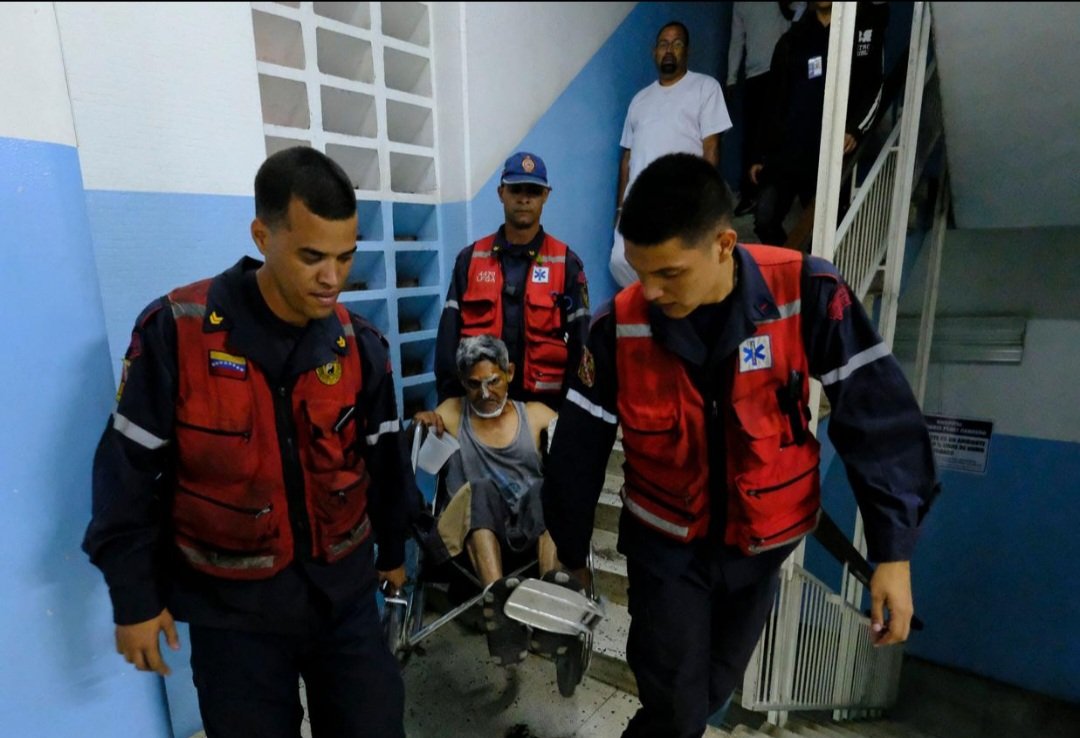
The death toll from the devastating twin earthquakes that struck northern Venezuela has more than doubled to 589 people, while nearly 3,000 others have been injured, as emergency crews and international rescue teams continue a desperate search for survivors trapped beneath collapsed buildings. The disaster has become one of the deadliest natural catastrophes in Venezuela’s modern history.
Authorities said the latest official count shows 589 confirmed fatalities and 2,980 injuries, a dramatic increase from earlier estimates released shortly after the disaster. Rescue officials warn that the number of dead could continue to rise as teams gain access to heavily damaged neighborhoods and recover victims from the rubble.
The tragedy began when two powerful earthquakes measuring 7.2 and 7.5 magnitude struck within seconds of each other on Venezuela’s northern coast. The epicenters were located west of Caracas, but the tremors were felt across much of the country and neighboring regions. Seismologists described the event as a rare and highly destructive “double earthquake,” amplifying the scale of the devastation.
The coastal state of La Guaira has emerged as the worst-hit area. Officials report that more than 100 buildings collapsed there, while hundreds of other structures suffered severe damage. Entire neighborhoods have been reduced to piles of concrete, twisted metal, and debris. Emergency shelters have been established for thousands of residents who lost their homes.
In the capital, Caracas, rescue workers continue to comb through collapsed apartment buildings, offices, and commercial structures. Families have gathered near disaster sites anxiously awaiting news of missing loved ones. Authorities say more than 200 people may still be trapped beneath damaged buildings, making the coming hours critical for rescue operations.
The Venezuelan government has declared disaster zones in several affected regions and mobilized military personnel, firefighters, medical teams, and civil defense units. Interim President Delcy Rodríguez announced emergency reconstruction measures and pledged financial support for affected communities. A special recovery fund reportedly worth $200 million has been established to help rebuild damaged infrastructure.
International assistance has begun arriving from around the world. Search-and-rescue teams from the United States, Mexico, Spain, Germany, Switzerland, Colombia, and several other countries have joined local responders. Specialized equipment, rescue dogs, medical supplies, and humanitarian aid have been deployed to assist overwhelmed emergency services.
The United States has announced significant humanitarian support, including emergency funding and temporary sanctions relief to facilitate aid deliveries. International organizations such as the Red Cross and other humanitarian agencies have also launched large-scale relief operations to provide food, shelter, medical care, and emergency supplies to survivors.
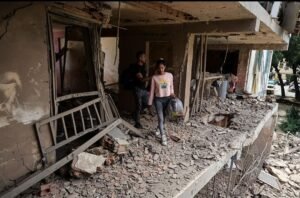
The United Nations estimates that millions of Venezuelans could be affected directly or indirectly by the disaster. Hospitals in some areas have been overwhelmed by the influx of injured patients, while damaged roads, communications networks, and public utilities have complicated rescue and relief efforts. Several hospitals and public buildings sustained structural damage, forcing evacuations and emergency relocations.
Experts say the earthquakes represent Venezuela’s most destructive seismic event in more than a century. The U.S. Geological Survey has indicated that the unusual combination of two major quakes occurring within moments of each other significantly increased the level of destruction across northern Venezuela.
As rescue workers continue digging through collapsed structures, hopes of finding survivors remain alive, although experts acknowledge that the chances diminish as more time passes. Across Caracas, La Guaira, and other affected communities, residents have joined emergency crews in a massive volunteer effort to search for missing people, distribute supplies, and assist families displaced by the catastrophe.
With hundreds confirmed dead, thousands injured, and many still unaccounted for, Venezuela now faces the enormous challenge of recovery and reconstruction while continuing one of the largest search-and-rescue operations in its recent history.