
International
Trump Signs Executive Order Seeking to Space Out Childhood Vaccinations

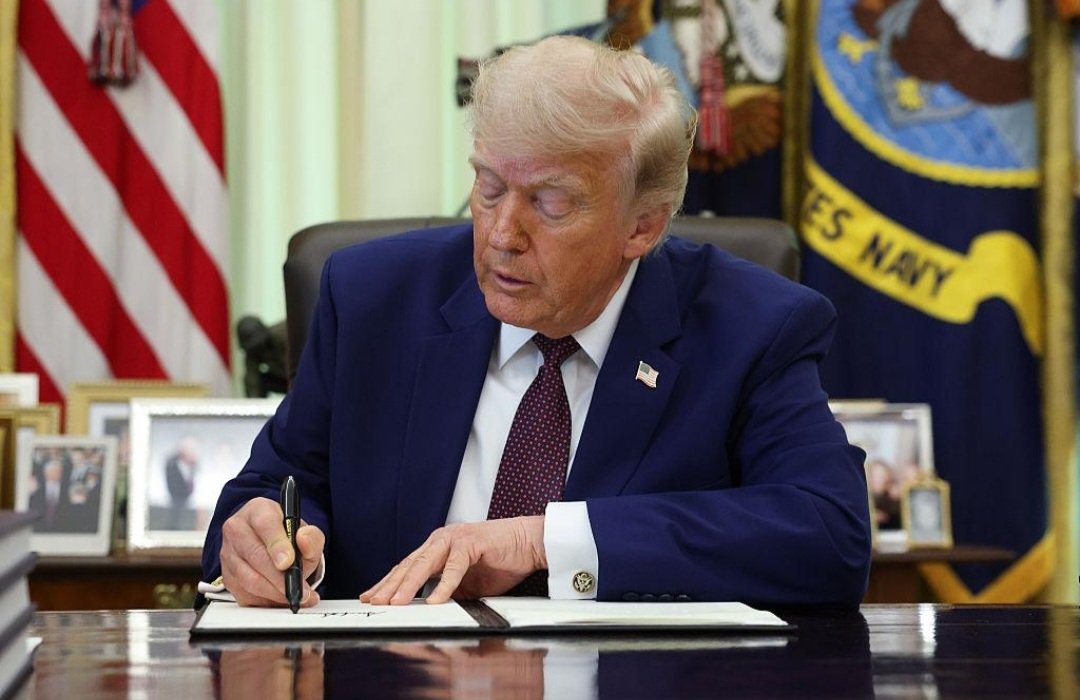
US President Donald Trump has signed an executive order directing his administration to pursue greater flexibility in the timing and sequencing of childhood vaccinations, including a push to administer some vaccines separately rather than in combination.
The order, signed Monday, August 10, 2026, calls for changes to the way routine childhood immunisations are recommended and administered. The White House said the measure is intended to give parents and doctors greater flexibility while encouraging additional research into vaccine safety and effectiveness.
One of the most significant proposals is to separate the measles, mumps and rubella (MMR) vaccine into three individual shots, administered during separate medical visits where individual vaccines are available in the United State.
The order also encourages childhood vaccines to be administered individually rather than through combination vaccines where practicable.
The move represents another major shift in US childhood vaccination policy under Trump’s administration.
The president has repeatedly argued that children receive too many vaccines too close together and has advocated spacing vaccinations over a longer period.

The administration has said its approach is aimed at giving families more choices and promoting further scientific research into childhood immunisation.
The order follows an earlier administration directive that instructed federal health officials to review the US childhood and adolescent vaccine schedule and consider greater flexibility in the timing and sequencing of routine vaccinations.
The proposed changes have generated debate among medical professionals because childhood vaccination schedules are designed to provide protection against potentially serious diseases at ages when children are most vulnerable.
The World Health Organization says it is safe for children to receive several different vaccines during the same medical visit and that combination vaccines are considered as safe and effective as individual vaccines.

WHO also says giving several vaccines at once does not overwhelm a child’s immune system.
The organisation warns that delaying or spacing vaccines beyond recommended schedules can leave children exposed to preventable diseases for longer and can increase the likelihood that children miss doses because additional clinic visits are required.
The American Academy of Pediatrics similarly promotes vaccination according to recommended schedules and encourages paediatricians to address parents’ concerns using evidence-based information.
The decision to separate the MMR vaccine is likely to attract particular attention.
The MMR vaccine protects against measles, mumps and rubella, three highly contagious diseases that can cause serious complications.

Under the proposed approach, the three components would be delivered separately where single-disease vaccines are available, potentially requiring parents to make several visits rather than receiving the combined vaccine at one appointment.
WHO says combination vaccines undergo rigorous testing and are designed to reduce the number of injections and medical visits required to complete childhood immunisation.
The executive order does not amount to a blanket end to childhood vaccination in the United States.
Instead, it directs federal agencies toward changes in vaccine recommendations and greater flexibility in how vaccinations are scheduled and administered.
The practical impact will depend on subsequent actions by federal health agencies, including changes to official recommendations and guidance.
The White House has also emphasised research, with the administration arguing that further studies are needed to address questions surrounding childhood vaccination.
Supporters of Trump’s policy say parents should have greater involvement in decisions about the timing and sequencing of childhood vaccines.
Critics argue that creating additional delays or requiring more appointments could make it harder for families to complete recommended vaccinations on time.
WHO notes that vaccination schedules are designed around evidence on when children need protection and that changing the timing can leave children vulnerable to infection.
The policy therefore places the Trump administration at the centre of an increasingly contentious US debate over vaccine policy, parental choice and the role of federal health authorities.
For parents, health professionals and public-health officials, the key question now is how the executive order will translate into changes to the country’s official childhood immunisation recommendations.