
International
Trump Administration Moves to Sell Public Lands, Plans to Shrink Federal Ownership

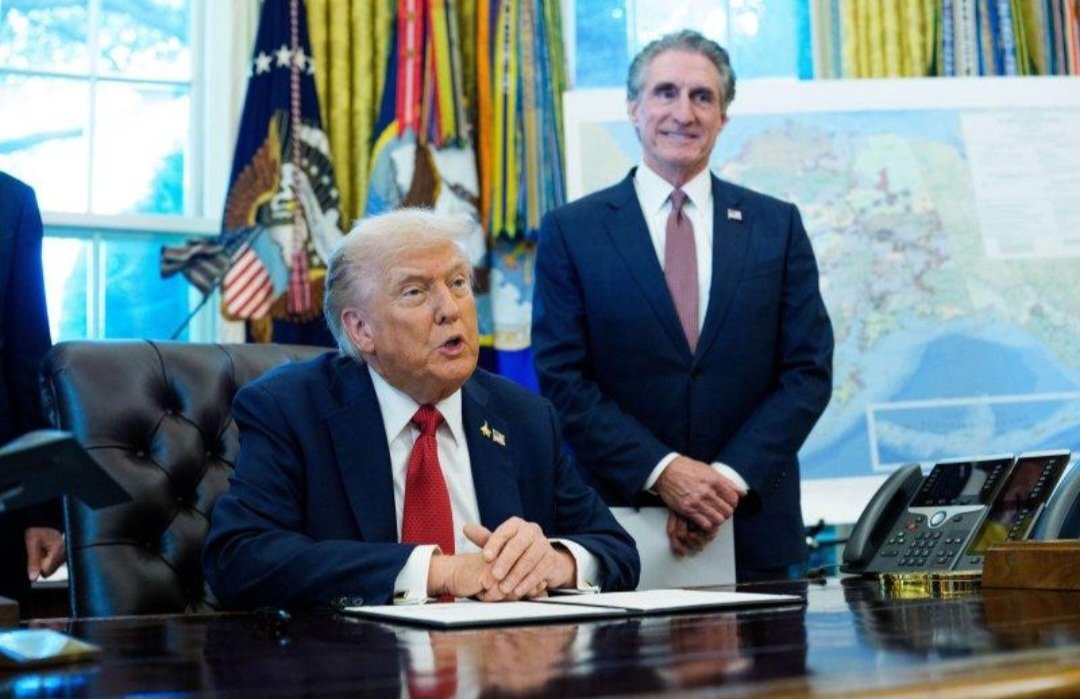
The administration of United States President Donald Trump is moving to reduce federal ownership of public lands, proposing to sell government-controlled properties to state, tribal and local authorities as part of a broader effort to shrink the federal estate.
The proposal is contained in a new five-year strategic plan released by the Department of the Interior on November 10, outlining the administration’s priorities for managing the country’s natural resources between 2026 and 2030.
Under the plan, the department intends to offer some federally owned lands for purchase by state governments, local authorities and tribal administrations, arguing that the move would allow it to concentrate resources on properties considered nationally significant.
However, the document does not identify specific properties for sale or provide details on the total acreage that could eventually be transferred.
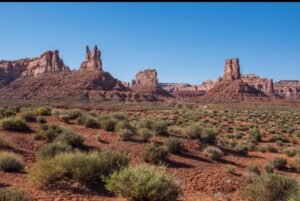
The Interior Department oversees more than 750,000 square miles of federal land, much of it concentrated in western states where government ownership accounts for significant portions of the territory.
Officials say proceeds from potential land sales could partly be returned to buyers to support conservation activities elsewhere.
The plan also proposes strategic land transfers and exchanges to facilitate energy production, mineral development and other economic activities, reflecting the administration’s broader push to expand domestic energy supplies.
Interior Secretary Doug Burgum has defended the administration’s approach, arguing that public resources should be managed in ways that create economic opportunities and improve access for Americans.
The proposal, however, has generated opposition from environmental organisations and Democratic lawmakers, who fear that reducing federal ownership could expose environmentally sensitive areas to commercial exploitation and private development.
Senator Martin Heinrich of New Mexico, who is expected to lead the Senate Energy and Natural Resources Committee when Democrats assume control of the chamber, has vowed to oppose efforts to sell public lands.
He argued that federally owned lands belong to the American people and should not be transferred to private interests seeking financial gain.
Senator Catherine Cortez Masto of Nevada has also expressed concern about the lack of details surrounding the proposed sales, questioning how the administration intends to determine which properties should be transferred.
The controversy follows previous attempts by some Republican lawmakers to sell millions of acres of federal land in Utah and Nevada. Those proposals faced bipartisan opposition and were ultimately abandoned.
The administration’s latest plan also raises questions about its ability to carry out large-scale land sales without congressional cooperation.
Federal laws, including the Federal Land Policy and Management Act of 1976, generally require public lands to remain under federal ownership, although certain sales and exchanges are permitted under specific conditions.
The Bureau of Land Management, which oversees a substantial portion of federal lands, has some authority to dispose of properties, but its powers are limited by statutory requirements.
Beyond land sales, the Interior Department’s strategic plan calls for increased access to federal resources for energy developers, mining companies, ranchers and other industries.
The proposals are likely to intensify the long-running debate in the United States over whether public lands should primarily be protected for conservation and recreation or used more extensively for economic development.
With environmental groups and lawmakers preparing to challenge aspects of the policy, the administration’s plans could become another major political and legal battle over the future of America’s natural resources.