
International
Iran’s Slain Leader Khamenei Laid in State in Tehran as Week-Long Funeral Ceremonies Begin

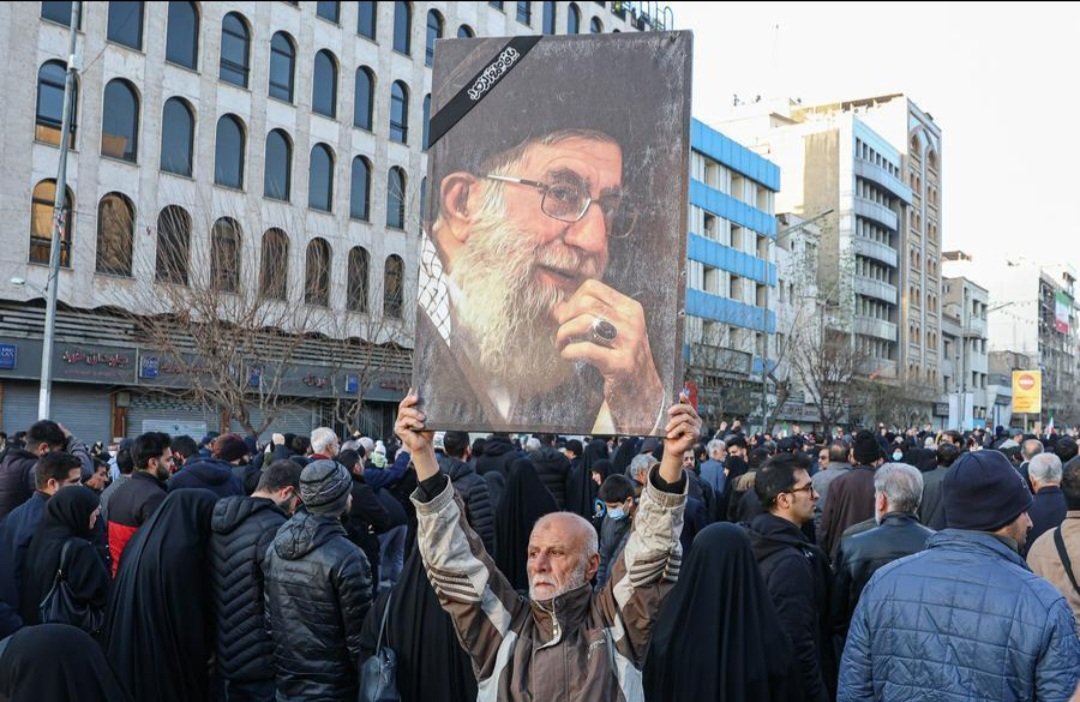
The body of Iran’s slain Supreme Leader, Ali Khamenei, has been laid in state in Tehran as the Islamic Republic begins a week of elaborate funeral ceremonies intended to honor the country’s longest-serving leader and project national unity following months of conflict. The events are expected to draw millions of mourners from across Iran and delegations from several allied nations.
Khamenei, who ruled Iran for nearly 37 years, was killed during U.S.-Israeli airstrikes at the beginning of the four-month regional war earlier this year. His funeral, originally planned for March, was postponed because of the conflict and is only now taking place following a ceasefire that has allowed authorities to organize one of the largest state ceremonies in the country’s history.
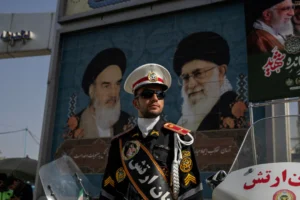
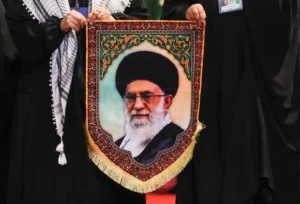
His body is lying in state at Tehran’s Grand Mosalla prayer complex, where senior clerics, military commanders, foreign dignitaries, and thousands of ordinary Iranians have gathered to pay their respects. The funeral is expected to continue throughout the week with major public processions and religious ceremonies in Tehran before moving to the holy cities of Qom, Najaf, and Karbala, and concluding with Khamenei’s burial in Mashhad near the revered Imam Reza shrine.
Iranian authorities have turned the funeral into a nationwide event, mobilizing public transport, schools, mosques, and sports facilities to accommodate the expected influx of mourners. Hotels have reportedly offered discounted accommodation, while security forces have been deployed in large numbers to protect the ceremonies amid continuing regional tensions and fears of further attacks.
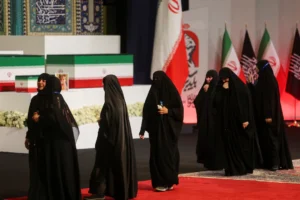
Officials describe the funeral as both a religious commemoration and a demonstration of resilience following the conflict. The ceremonies are deeply rooted in Shi’ite traditions of martyrdom and sacrifice, with state media drawing parallels between Khamenei’s death and historic figures revered in Shi’ite Islam. Religious processions are expected to coincide with the holy month of Muharram, adding further symbolic significance to the events.
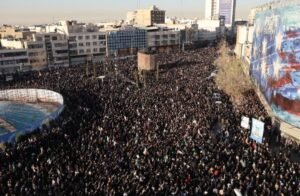
The funeral also carries major political implications. Although Iran’s leadership has sought to present an image of national solidarity, analysts say the country remains under severe economic pressure from sanctions and continues to face deep political divisions following years of anti-government protests. The funeral is therefore being closely watched as an indicator of public support for the Islamic Republic after one of the most turbulent periods in its recent history.
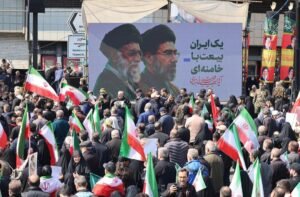
Foreign delegations from countries including Russia and China are expected to attend portions of the ceremonies, reflecting Iran’s close strategic partnerships. At the same time, security remains exceptionally tight as authorities monitor potential threats during the high-profile national mourning period.
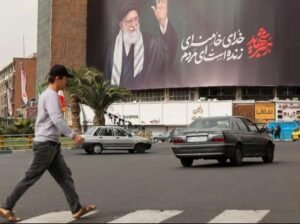
The funeral is expected to conclude later this week with Khamenei’s burial in Mashhad, ending days of nationwide mourning that Iranian officials hope will reinforce the country’s revolutionary identity while marking the close of one of the most consequential chapters in the history of the Islamic Republic.