
International
President Trump Issues 11 Pardons, Most Linked to Vehicle Emissions Cases

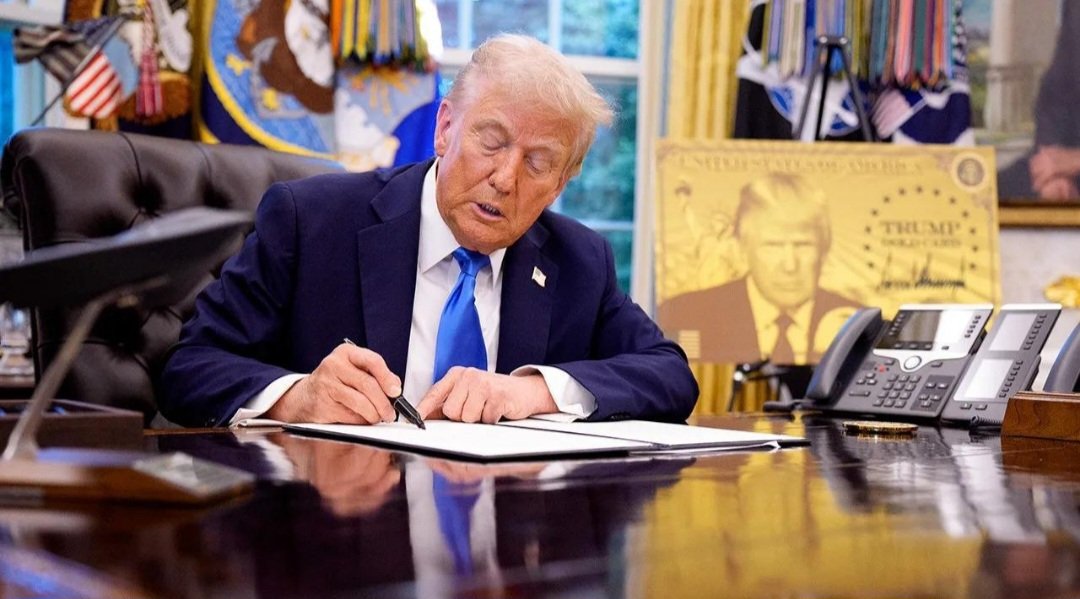
U.S. President Donald Trump has granted pardons to 11 individuals, the majority of whom were convicted of violating the federal Clean Air Act by tampering with or disabling emissions-control systems on vehicles. The pardons, announced on the eve of the Fourth of July celebrations, are the latest in a series of clemency actions taken during Trump’s second term and have reignited debate over environmental regulation and the use of presidential pardon powers.
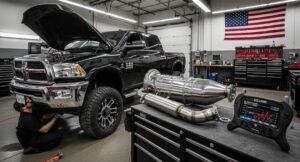
According to the White House, nine of the recipients had been convicted for modifying diesel trucks or selling so-called “defeat devices” that allowed vehicles to bypass federally required emissions controls. Such modifications increase engine performance but violate the Clean Air Act because they significantly increase harmful air pollution.
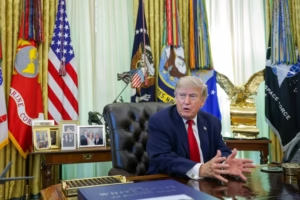
Trump defended several of the pardons in a post on his Truth Social platform, arguing that the men had been unfairly prosecuted by the administration of former President Joe Biden for simply “fixing their car.” He described the prosecutions as examples of government overreach and declared, “I AM SETTING THEM ALL FREE, RIGHT NOW!”
Beyond the emissions-related cases, Trump also pardoned Adam Kidan, a former business partner of lobbyist Jack Abramoff. Kidan served a prison sentence after pleading guilty in a high-profile wire fraud and conspiracy case connected to the attempted purchase of SunCruz Casinos in the mid-2000s. Another recipient, Texas ranch owner Jack Harvard, received clemency for a decades-old bank fraud conviction.
The pardons come as the Trump administration continues to roll back federal environmental regulations. Earlier this year, the administration repealed the scientific finding that greenhouse gas emissions endanger public health and eliminated federal tailpipe emissions standards for cars and trucks. Trump also recently directed the Environmental Protection Agency to ease restrictions on vehicle modifications, arguing that Americans should have greater freedom to repair and customize their own vehicles.
Supporters of the president praised the clemency decisions as correcting what they view as excessive federal regulation and politically motivated prosecutions. Environmental advocates, however, criticized the pardons, warning that they could weaken enforcement of pollution laws and encourage further violations of emissions standards that are intended to protect air quality and public health.
The latest actions add to Trump’s growing use of executive clemency during his second term. Since returning to office, he has issued numerous pardons benefiting political allies, business figures, and individuals he says were unfairly targeted by previous administrations. The White House maintains that each pardon reflects the president’s commitment to addressing what he considers unjust prosecutions, while critics argue the decisions undermine accountability and the rule of law.