
International
Unable to Sell His Harvest, California Farmer Donates Over 100,000 Pounds of Nectarines

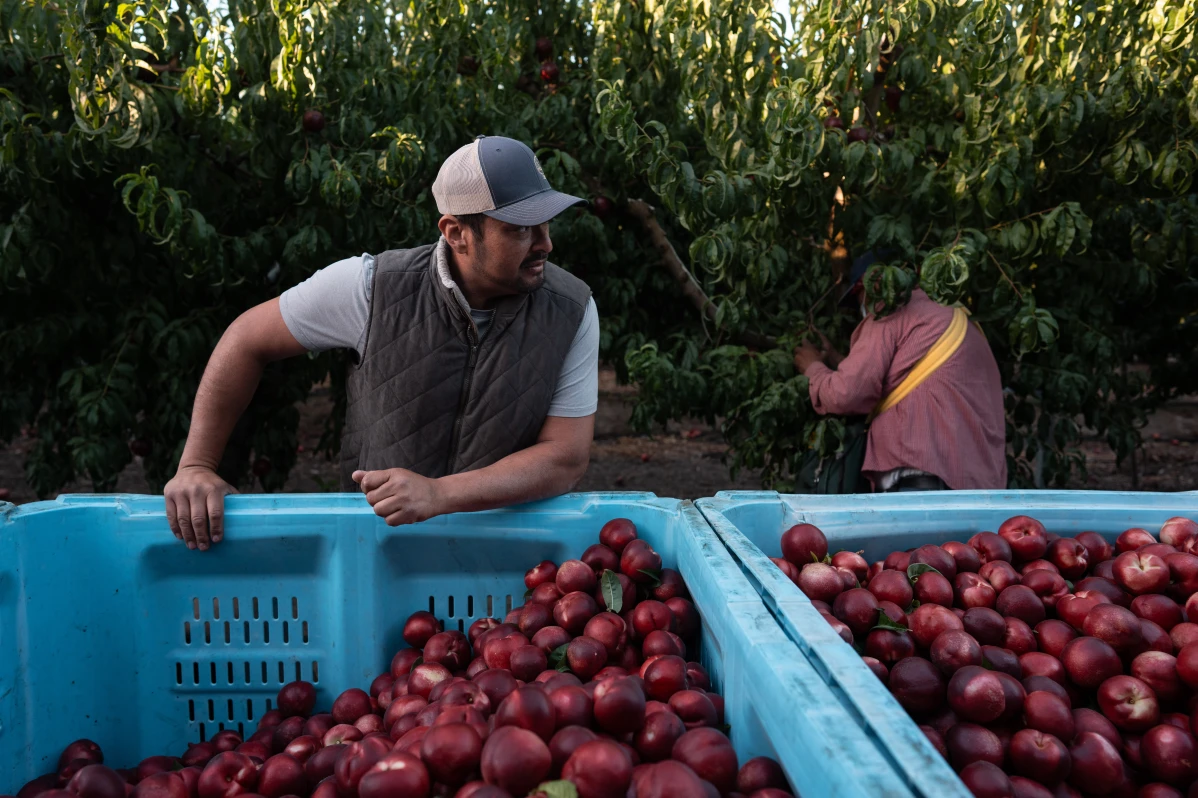
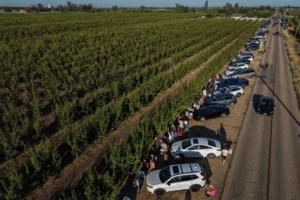
Thousands of people have flocked to a family farm in California’s Central Valley after a third-generation grower began giving away hundreds of thousands of pounds of fresh white nectarines that he says he cannot legally sell because of an ongoing contract dispute with a major produce company. The unusual giveaway has attracted widespread attention across the United States, turning what began as a legal battle into a community movement against food waste.
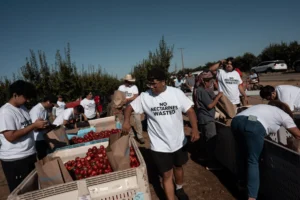
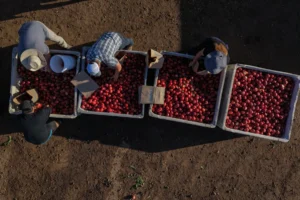
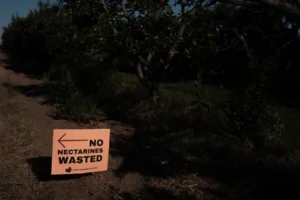
The farmer, Cesar Mora, who operates a farm in Reedley, California, launched the initiative under the slogan “No Nectarines Wasted.” Since the beginning of the giveaway, Mora has distributed well over 100,000 pounds of premium white nectarines free of charge, with thousands of residents arriving carrying bags, buckets, coolers and boxes to collect the fruit. Some reports estimate the total amount given away has reached more than 180,000 pounds as the event continued through the week.
At the heart of the dispute is the Monalise variety of white nectarine. Mora entered agreements with produce marketer Giumarra Brothers Fruit Co. several years ago, allowing him to grow the fruit under an exclusive marketing arrangement. According to court documents, Mora later attempted to sell his crop through another fruit packer after becoming dissatisfied with the business relationship. Giumarra responded by filing a lawsuit alleging breach of contract, while Mora has filed counterclaims accusing the company of unfair business practices and misrepresenting its rights over the fruit.

Mora alleges that previous shipments of his nectarines were mishandled, with significant quantities allegedly discarded instead of being marketed. He also claims the company exported some of his fruit outside the markets specified in their agreement. Giumarra has denied those allegations and maintains that the matter is a contractual dispute that should be resolved in court.
The legal battle has left Mora unable to sell this year’s crop while the case proceeds through the courts. Rather than watch the fruit spoil on the trees, he decided to invite the public to his orchard and distribute the nectarines free of charge.
“It was really just a thought of not wasting a perfectly good product,” Mora said, explaining that seeing families enjoy the fruit has provided one positive outcome during what he describes as one of the most difficult periods of his farming career.
The dispute also shines a spotlight on the increasingly complex world of patented and licensed fruit varieties. Modern plant breeders often develop new fruit cultivars and license growers to produce them under strict contracts that regulate where and how the fruit can be marketed. Agricultural experts say these agreements have become more common over the past two decades, sometimes creating legal conflicts between growers and large produce companies over ownership, royalties and exclusive marketing rights.
Earlier this year, a Fresno County Superior Court judge ruled that Giumarra’s breach-of-contract claim could proceed, finding that the marketing agreement remained enforceable regardless of whether the fruit itself was protected by a U.S. plant patent. The case is expected to proceed to trial later this month.
Despite the financial setback, Mora says the overwhelming community response has been encouraging. Volunteers have helped package the fruit, while supporters have worn “No Nectarines Wasted” T-shirts and donated thousands of dollars through an online fundraising campaign to help offset some of the farmer’s losses.
The story has sparked a broader debate over food waste, agricultural contracts and the growing influence of intellectual property rights in farming. While the courts will ultimately determine who is legally entitled to market the Monalise nectarine, Mora says his immediate priority was ensuring that a valuable harvest fed people instead of ending up as waste.