
International
Supreme Court Ruling Leads Transgender Athletes to End Legal Fight Over Sports Ban


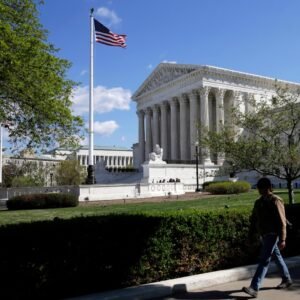
A group of transgender girls who had challenged a federal policy restricting their participation in school sports have withdrawn their lawsuit following a recent U.S. Supreme Court ruling that significantly altered the legal landscape surrounding transgender athletes and educational athletics.
The case centered on an executive order issued by President Donald Trump, which directed federal agencies to interpret existing laws in a manner that limits participation in girls’ and women’s sports to athletes assigned female at birth. Supporters argued the policy was necessary to protect competitive fairness, while opponents said it discriminated against transgender students.

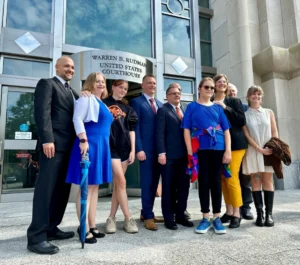
The plaintiffs, a group of transgender student-athletes and their families, had sought to block enforcement of the order, arguing that it violated constitutional protections and federal civil rights laws. Their lawsuit was among several legal challenges filed across the United States as the debate over transgender participation in sports intensified.

However, following a recent Supreme Court decision addressing related issues, attorneys representing the students informed the court that they would no longer pursue the case. Legal experts said the ruling substantially reduced the likelihood of success for similar challenges, prompting a reassessment of ongoing litigation strategies.
Advocacy organizations supporting transgender rights expressed disappointment with the outcome but emphasized that broader legal and political efforts would continue. They argued that transgender students should have equal access to educational opportunities, including school athletics, and pledged to pursue protections through legislative and policy channels.

Supporters of the sports restrictions welcomed the development, describing it as a victory for what they characterize as fairness and competitive integrity in women’s athletics. Several organizations advocating for sex-based sports categories said the withdrawal reflected the growing legal acceptance of policies separating participation based on biological sex.

The controversy over transgender athletes has become one of the most prominent cultural and political debates in the United States. Numerous states have adopted laws regulating participation in school sports, while federal courts have issued differing rulings on related questions involving discrimination, education and athletic competition.
Legal scholars note that the Supreme Court’s involvement has increased the significance of the issue nationwide. The court’s recent decisions are expected to influence future cases involving Title IX, equal protection claims and the rights of transgender students in educational settings.
Education officials and school districts across the country continue to monitor legal developments closely. Many institutions have been required to adjust policies in response to changing federal guidance, court rulings and state legislation.
The withdrawal of the lawsuit does not necessarily end the broader debate. Civil rights groups, athletic organizations and policymakers remain divided over how to balance inclusion, fairness and competitive opportunities within school sports programs.

As legal challenges evolve, experts expect the issue to remain a major topic in American politics, education and sports administration. Future court cases and legislative actions could further shape the rules governing athletic participation and the rights of transgender students.
For now, the decision to drop the lawsuit marks another significant chapter in a national debate that continues to generate strong opinions from supporters and critics alike.