
International
Saudi Arabia Weighs Major Expansion of Red Sea Oil Pipeline to Reduce Hormuz Dependence

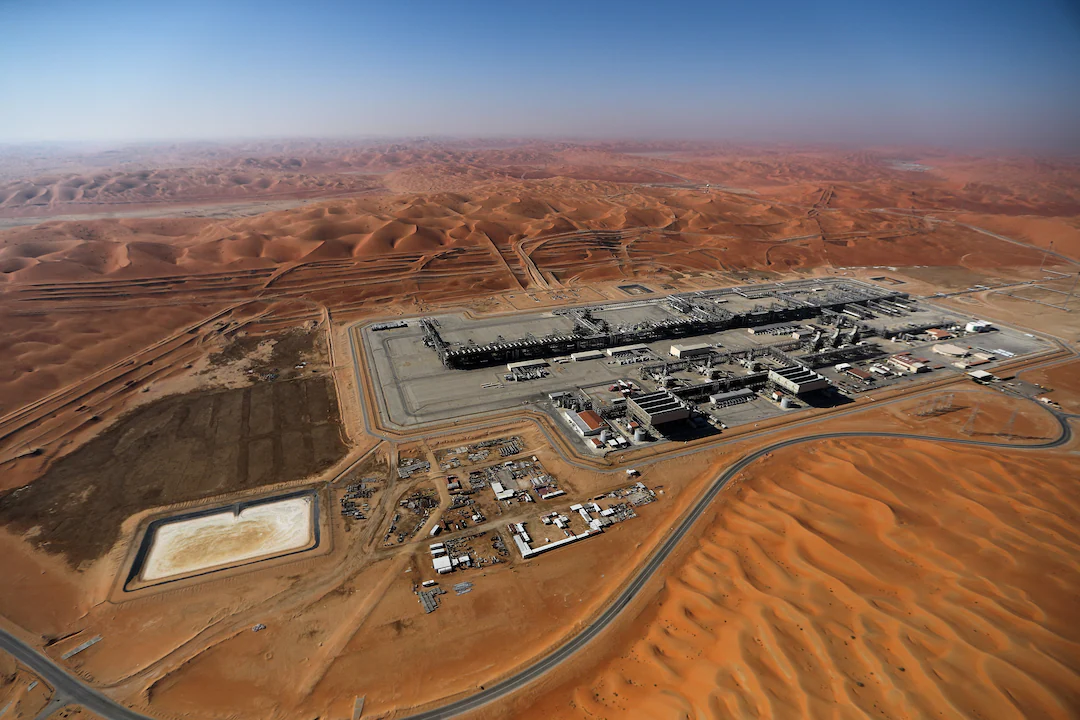
Saudi Arabia is considering a significant expansion of its strategic East-West oil pipeline to the Red Sea as the kingdom seeks to strengthen its energy export infrastructure and reduce reliance on the Strait of Hormuz, according to people familiar with the discussions. The proposal comes after months of heightened regional tensions exposed the vulnerability of one of the world’s busiest oil shipping routes.
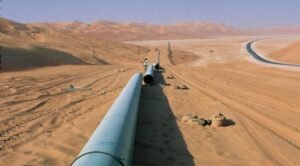
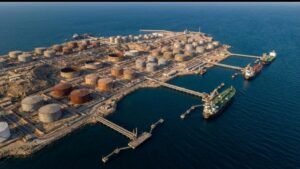
The pipeline, which stretches roughly 1,200 kilometres across Saudi Arabia from its oil-producing Eastern Province to the Red Sea port of Yanbu, was originally built in the 1980s to provide an alternative export route during periods of instability in the Gulf. It currently has a capacity of about seven million barrels of crude oil per day, though officials are reportedly examining ways to increase that capacity by as much as two million barrels daily. The expansion could also include infrastructure for transporting refined petroleum products.
According to Reuters, the discussions remain at an early stage, and Saudi authorities have not made a final investment decision. Neither the Saudi government nor state-owned Saudi Aramco has publicly commented on the reported plans.
The renewed focus on alternative export routes follows the disruption caused by the recent conflict involving Iran, which severely affected shipping through the Strait of Hormuz. During the crisis, millions of barrels of Gulf oil production were temporarily halted, forcing Saudi Arabia to rely heavily on the East-West pipeline and exports from Yanbu on the Red Sea coast. Although a ceasefire and diplomatic efforts have allowed some shipping activity to resume, exports through Hormuz remain below pre-conflict levels.
Industry analysts say the proposed expansion reflects a broader shift in Gulf energy strategy, with governments increasingly prioritising infrastructure capable of bypassing maritime chokepoints. The Strait of Hormuz handles a substantial share of global crude oil shipments, making any disruption there a major concern for international energy markets and oil-importing nations.
Sources told Reuters that Saudi Arabia has also held preliminary discussions with neighbouring Gulf producers, including Kuwait, Qatar and Bahrain, over whether they could eventually make use of expanded infrastructure. Unlike Saudi Arabia and the United Arab Emirates, those countries have limited alternatives for exporting crude without passing through the Strait of Hormuz.
The United Arab Emirates has also been investing in additional export infrastructure outside the Gulf, raising the prospect of increased competition among regional producers once export capacity is fully restored. Analysts believe improved pipeline networks could reshape crude flows across the Middle East while enhancing supply security during future geopolitical crises.
Despite the long-term strategic benefits, energy experts note that any expansion would require significant investment and could take years to complete. However, recent events have reinforced the importance of diversifying export routes as governments seek to shield global energy supplies from regional conflicts and maritime disruptions.
If approved, the project would represent one of Saudi Arabia’s most significant energy infrastructure upgrades in decades, strengthening the kingdom’s ability to maintain oil exports even during periods of heightened geopolitical uncertainty while reinforcing its position as one of the world’s leading energy suppliers.